
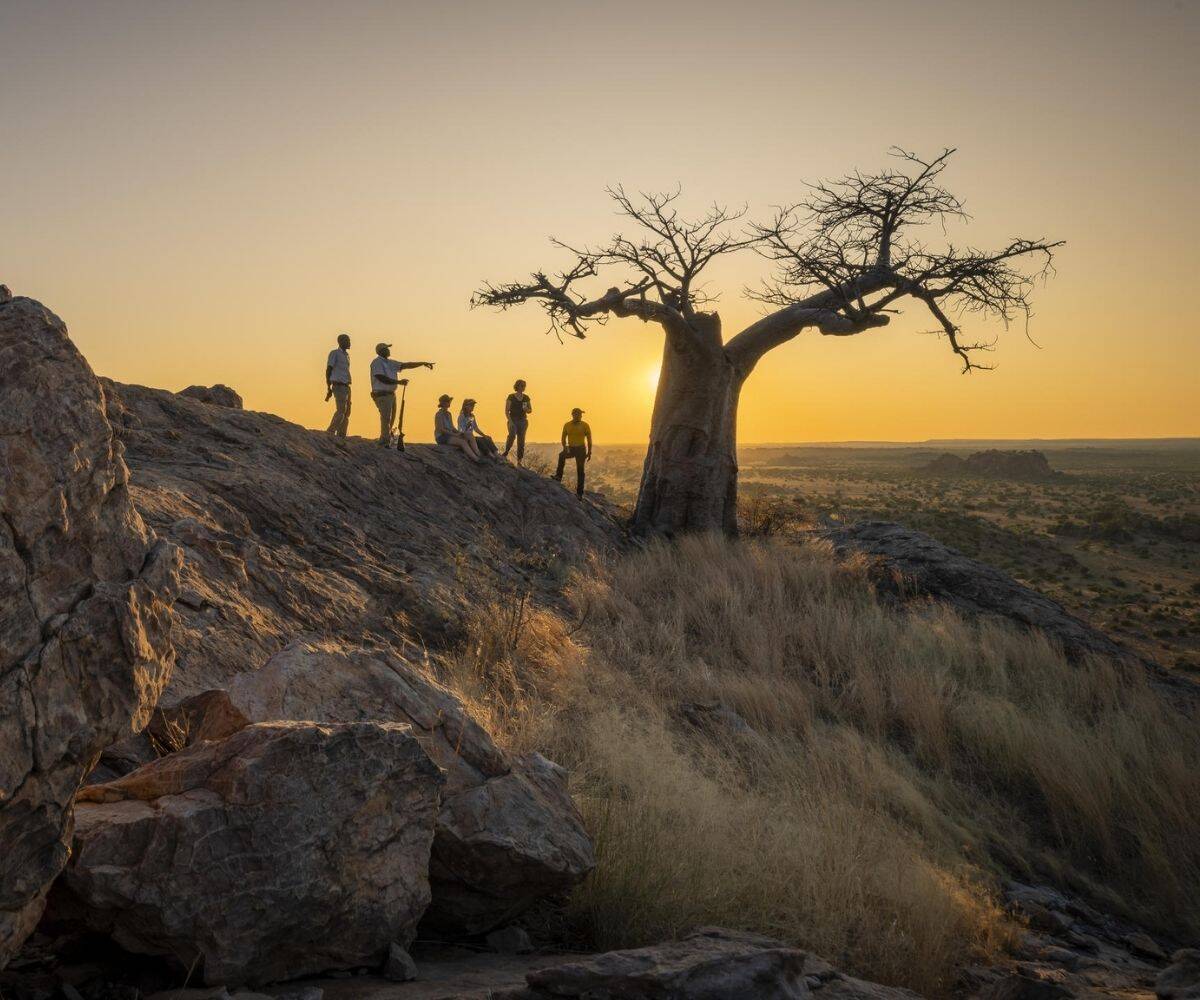
Heavenly hikes in Africa

Exploring Africa on foot, whether it be on safari, hiking in the mountains or exploring rocky coastlines, adds a completely different dimension to an active, adventurous holiday. It gives a rare opportunity to properly immerse yourself in the destination and appreciate the little things.
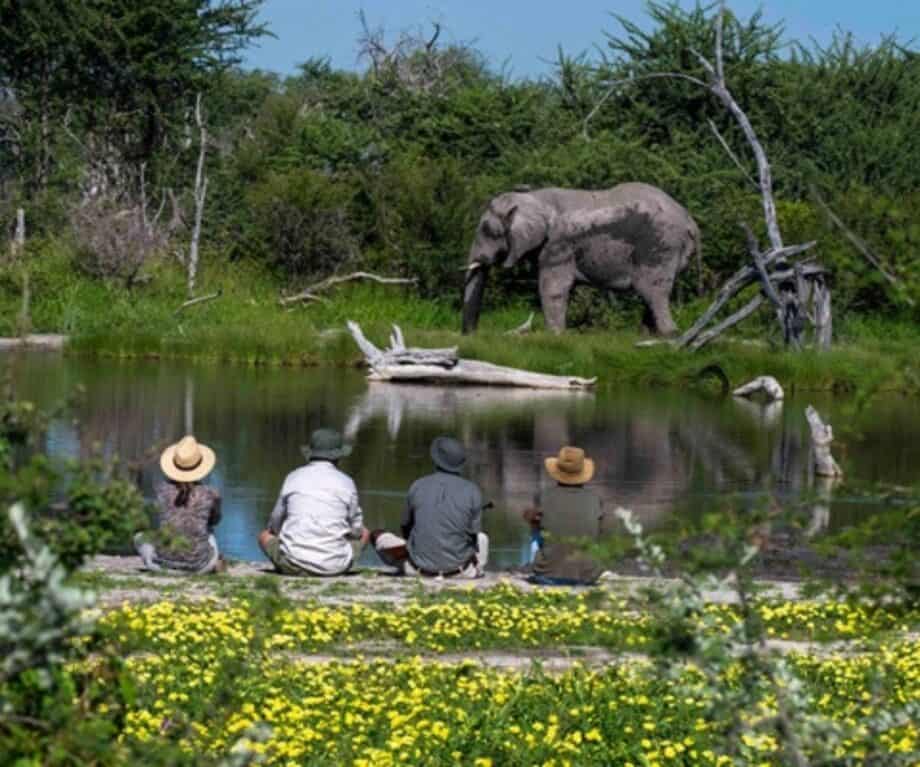
Why walking hits those high notes
Sometimes stepping out of the safari vehicle allows you become part of the landscape rather than just an observer, moving at the slower pace of nature and engaging all your senses.
Heightened connections
On foot, you notice the subtle details you might miss from a vehicle: fresh animal tracks, the scent of wild sage (my favourite at Mashatu!), the sounds of distant bird calls, or the texture of the soil underfoot.
The little things
Walking safaris focus as much on the smaller wonders — insects, plants, spoor, and birdlife — as on the big game. Hikes in the mountains reveal beautiful Fynbos, antelopes and birdlife, whilst rock pooling and coastal walks can keep you busy for days!
Hear, hear
Without the hum of an engine, a safari feels wilder. Sounds are amplified, be it the rustle of wind through grass, the crack of an elephant breaking a branch, hyenas whooping in the darkness – or a distant lion roar. Some of my favourite holiday sounds are evening cacophony of frogs and crickets, the cry of a fish eagle – and the crashing of waves on the shore.
The thrill of adventure
Walking engages your primal instincts; you’re alert, present, and aware of your place in the wild. Those feelings of vulnerability make encounters feel raw, authentic and incredibly adventurous. There’s nothing quite like standing on the same ground as elephants, buffalo, or even lions (at a safe distance of course!).
Some of my favourite wildlife walking safaris and hikes across Africa include:
WalkMashatu in beautiful Botswana
Mashatu Game Reserve is also known as “The land of the Giants” thanks to its abundant game (notably large elephant herds and predator sightings), its varied activities on offer, and its vast, scenic landscapes —from lush riverine forests to sandstone outcrops.
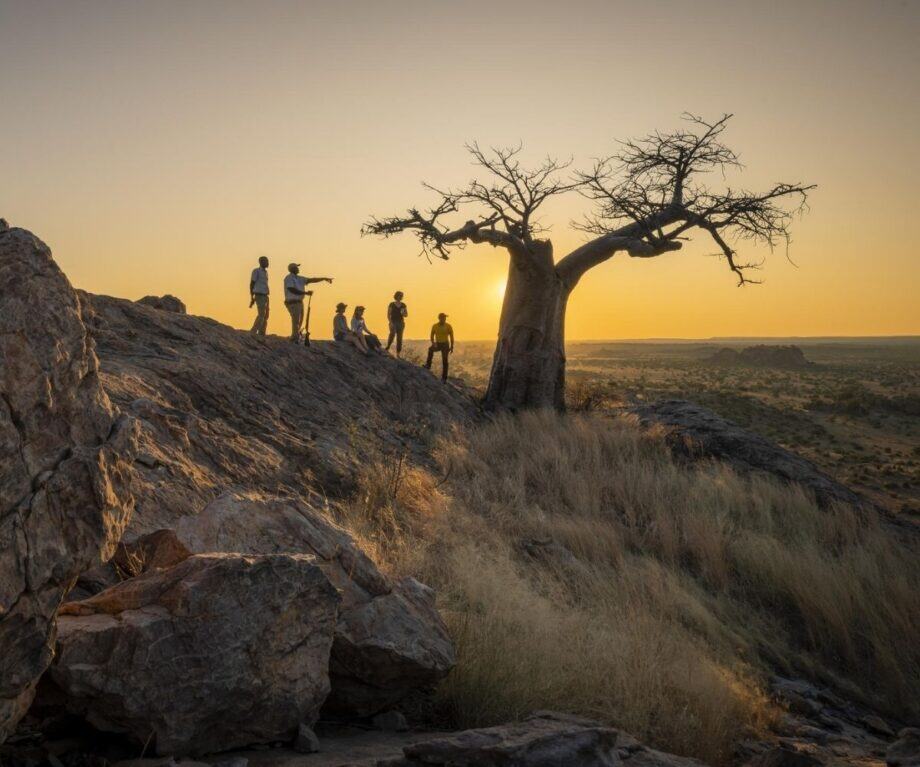
One of the best ways to explore it is undoubtedly on foot. WalkMashatu is a unique safari adventure, guided by expert trackers, where guests learn about ancient elephant trails, identifying different spoor, plants, as well as some of the smaller creatures that often go unnoticed. It’s a chance to connect deeply with the landscape, noticing its rhythms, details and stories.
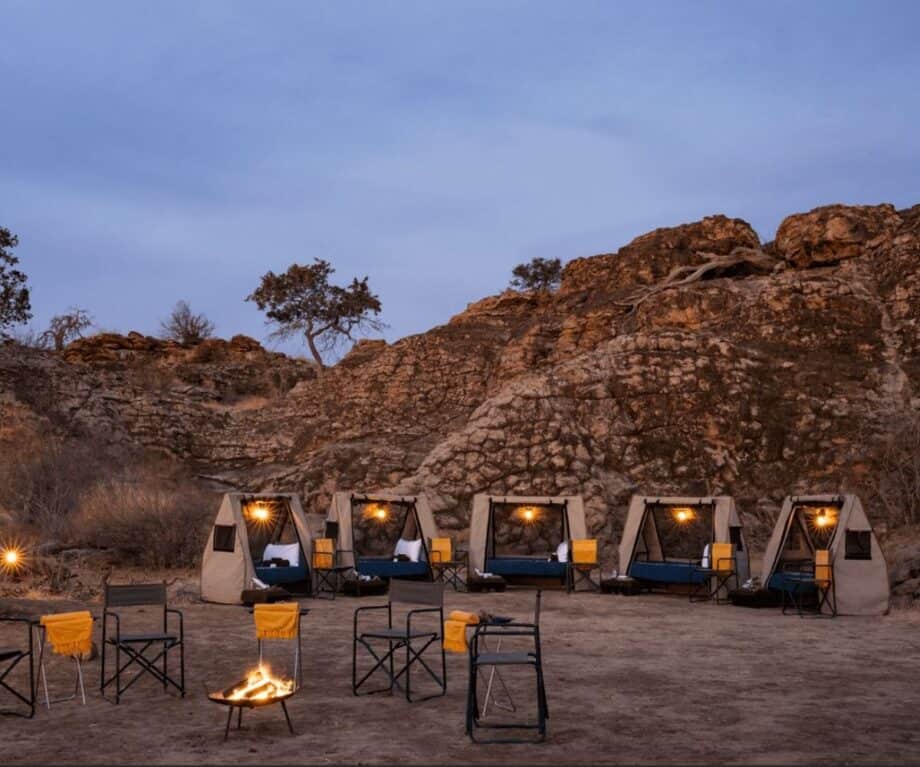
After a day of exploration and a hearty dinner at your lodge, the adventure starts with a 2 hour night drive in search of predators, ending up at the remote Walk Mashatu Fly Camp, where the real magic begins. Here, guests can enjoy campfire stories, try night photography, enjoy a guided night walk – or simply listen to the sounds of the bush. Specially designed tents with roll-up sides allow for unobstructed views of the African night sky. Without any light pollution, the Milky Way appears endless, and the soundtrack of nocturnal wildlife makes for an unforgettable experience.
In the morning, guests wake to a hearty breakfast and a dawn game drive, when the bush is at its most alive. WalkMashatu runs from March to October for up to six guests at a time, ensuring a very private, intimate encounter with nature. For lodge guests, the Night Under the Stars is also offered as a year-round add-on.
Onguma trails on the fringe of Etosha
Onguma’s Trails Camp, located on the eastern border of Etosha National Park, offers the rare opportunity to walk through big game country in Namibia. Trails run during Namibia’s winter months (April to September) when the weather is cooler and the bush is less dense – and can be booked for either 2 or 3 nights, staying in a beautiful glamp camp.
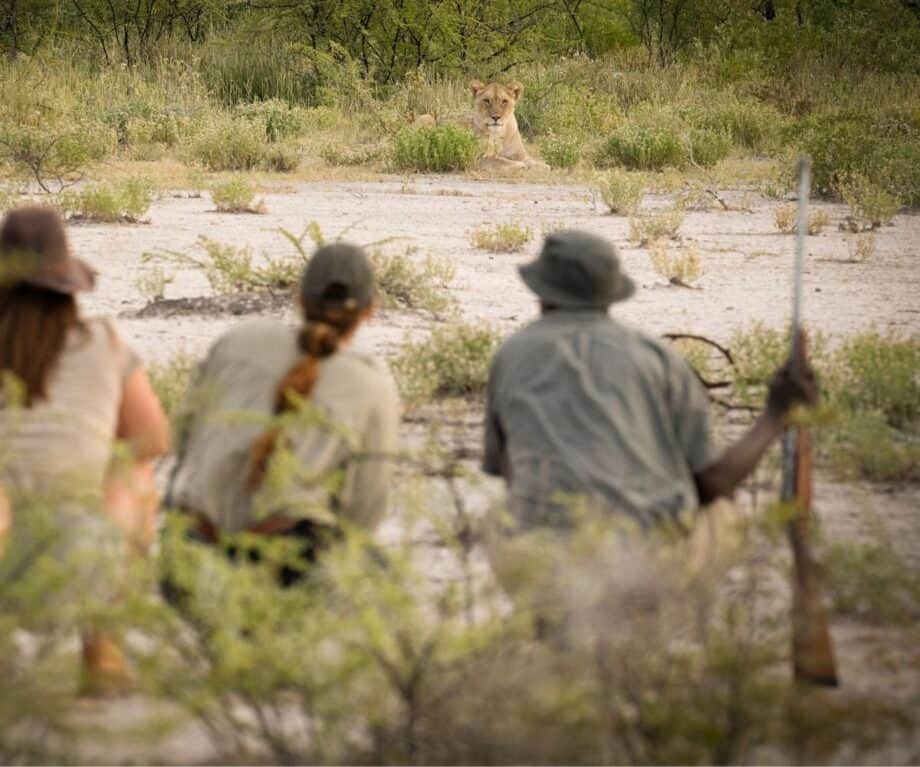
Expertly guided by armed trails guides, up to eight guests can enjoy the daily 6-8 km hikes through the wilderness, focussing on animal tracks, flora, traditional uses of plants, and encounters with plains game in a safe but thrilling setting.
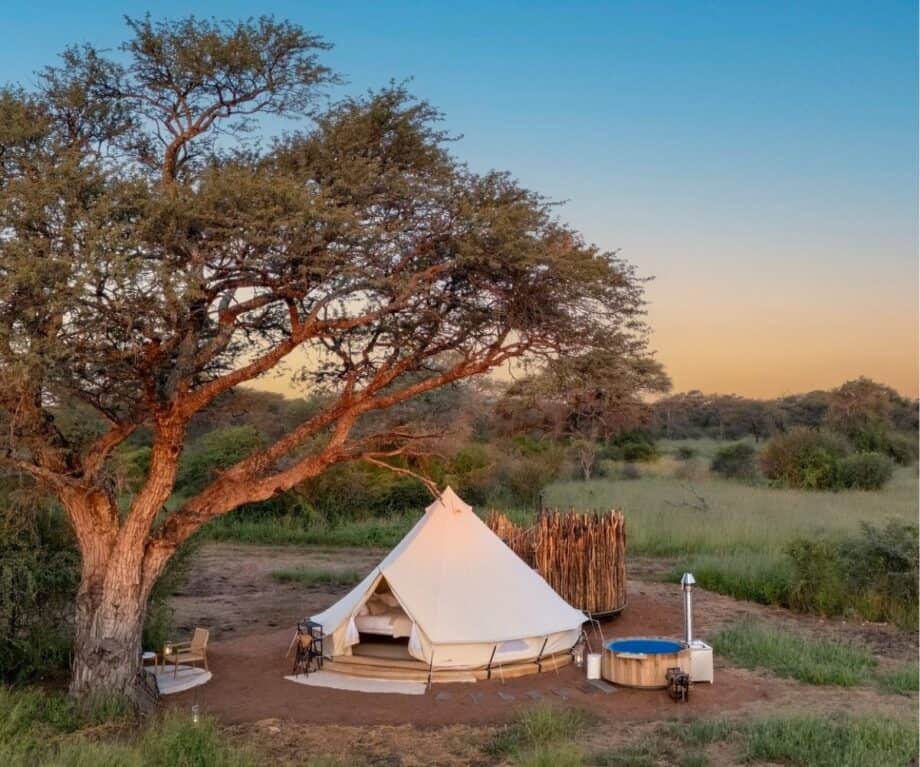
Accommodation comprises just four bell tents, with comfortable beds, ensuite outdoor bathrooms with flush toilets and hot bucket showers as well as private wood fired hot tubs.
The minimal footprint, immersion in a private reserve, and its celebration of the simple pleasures of bush life under canvas—with no Wi-Fi, radio, or generators—accentuate the camp’s pure wilderness eco ethos.
Everything you need to plan your trip in 2026
🌟 Luxury hotel deals from Booking
🏡 Vacation rentals from VRBO
✈️ Flights from KIWI
🛫 Private jets from Private Jet Finder
🅿️ Airport parking from ParkVia
🛋️ Airport lounges from Priority Pass
🚖 Airport taxis from Welcome Pickups
🚗 Car rentals from Discover Cars
🚐 Luxury RV rentals from RVshare
🚢 Cruises from Cruise Direct
🛥️ Ferries from Direct Ferries
🎫 Attractions tickets from Tiqets
🏞️ Tours from Viator or GetYourGuide
🛡️ Travel insurance from Safety Wing
🏥 Medical insurance from World Nomads
🧳 Luggage from Case Luggage
🛅 Luggage storage from Stasher
📚 Travel guides from Lonely Planet
📕 eBooks from Kindle Unlimited
🎧 Audiobooks from Audible
🎬 Movies from Prime Video UK
🎵 Music from Amazon Music UK
💶 Travel currency from Wise
📱 SIMs from SimOptions
🌐 VPNs from ExpressVPN or NordVPN
🛂 Visas from iVisa
Zululand hikes at Babanango Game Reserve
Babanango Game Reserve in KwaZulu-Natal’s pristine Zululand hills offers walking safaris with exceptional biodiversity as you navigate the rugged hills, rolling grasslands and serene valleys along the White Umfolozi River. Walks highlight history, geology, and “Big Five” game tracking in a landscape once traversed by Zulu kings. The reserve is a groundbreaking rewilding success, where tracks might reveal rhino, buffalo, giraffe. Along the walk, the guides will teach you essential bushcraft survival skills, such as identifying different animal tracks, spotting camouflaged creatures, and recognising edible or medicinal plants. You will also learn how to interpret animal behaviour and the intricate balance of the ecosystem.
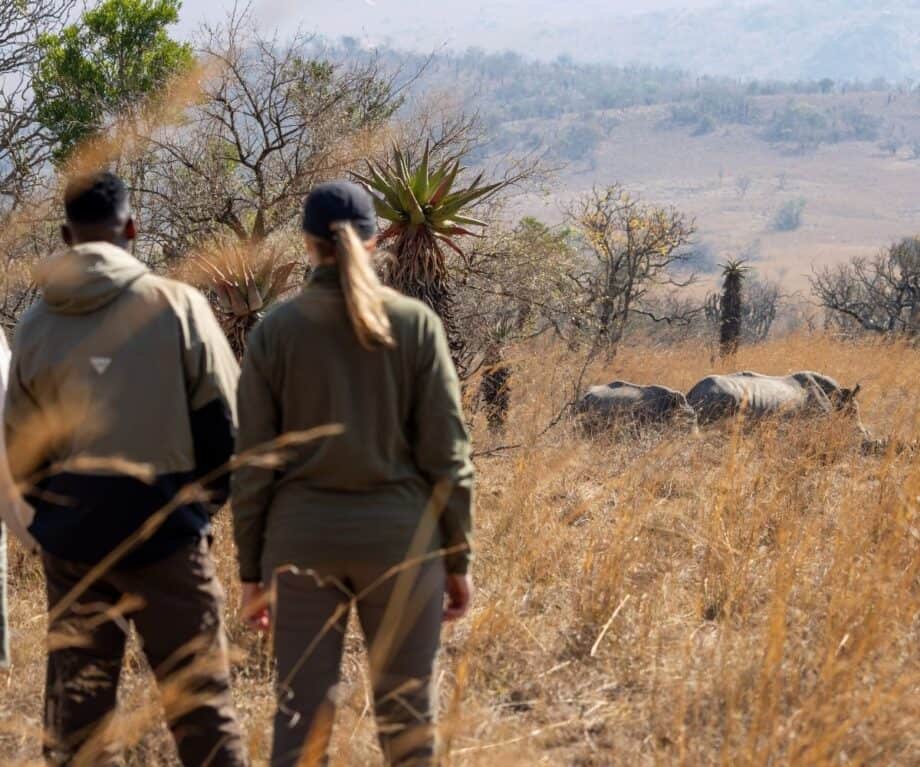
After a day of exploration, the adventure continues with an overnight stay in one of Babanango’s base camps with “back-to-basics” canvas tents which are rustic yet comfortable. Equipped with some essential facilities, sleeping bags, and lantern lighting, they offer an authentic connection to the natural surroundings. You’ll fall asleep to the sounds of the bush and awake with the African sunrise. Guests can choose from a variety of walking safari packages ranging from two to five nights, combining the sleep outs with their various luxury lodges such as Madwaleni River Lodge or Zulu Rock Lodge.
Madikwe on foot with Mosetlha
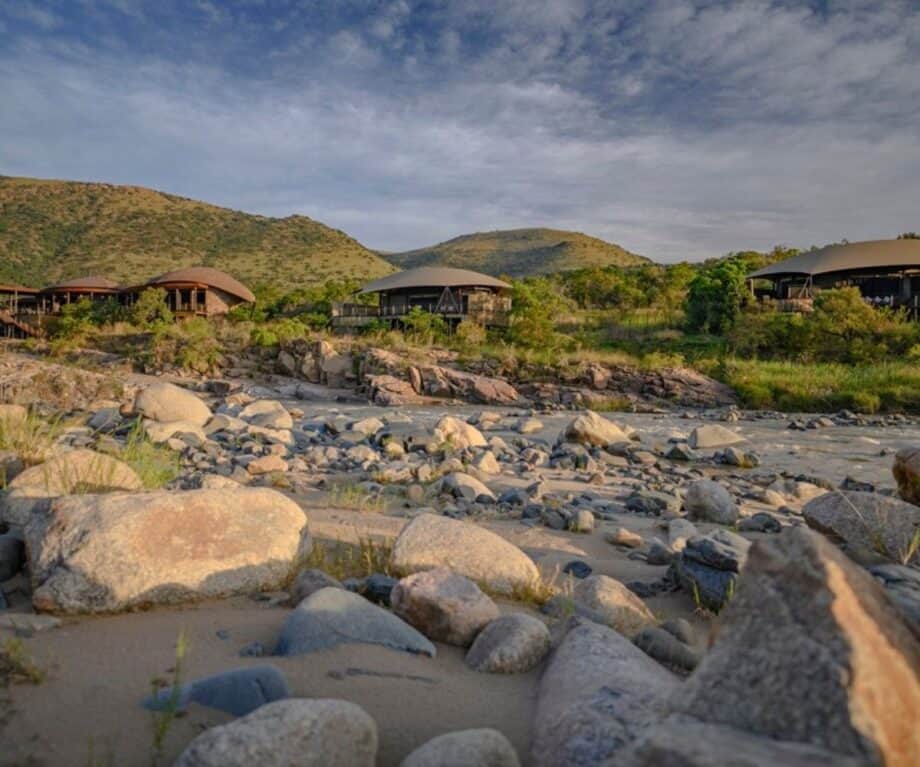
Mosetlha Bush Camp started out three decades ago as one of Madikwe Game Reserves original bush camps, offering simple comfort and a strong eco-friendly ethos. They recently returned to their roots, with guide Justice gaining his FGASA Trails Guide certification, enabling the lodge to offer sunrise bush walks in the reserve in search of Africa’s Big 7, including cheetah and wild dogs.
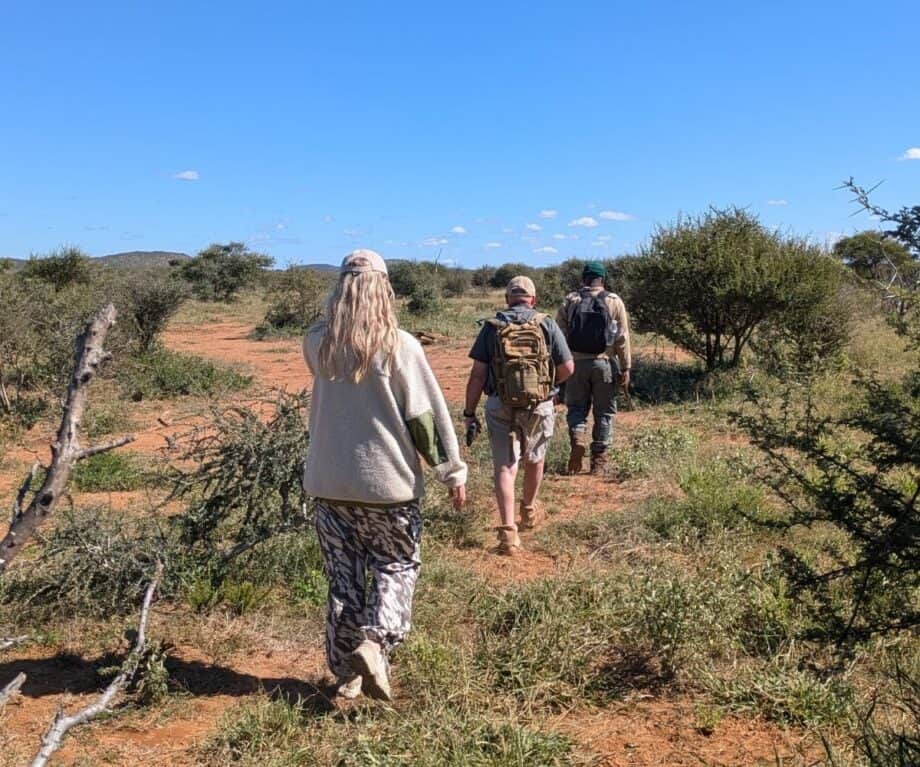
These walking safaris focus on birding, plant lore, animal tracking, and safe approaches to game. The experience is intimate: small groups and no modern distractions, just nature and great guides. Ideal for both first-timers and seasoned walkers.
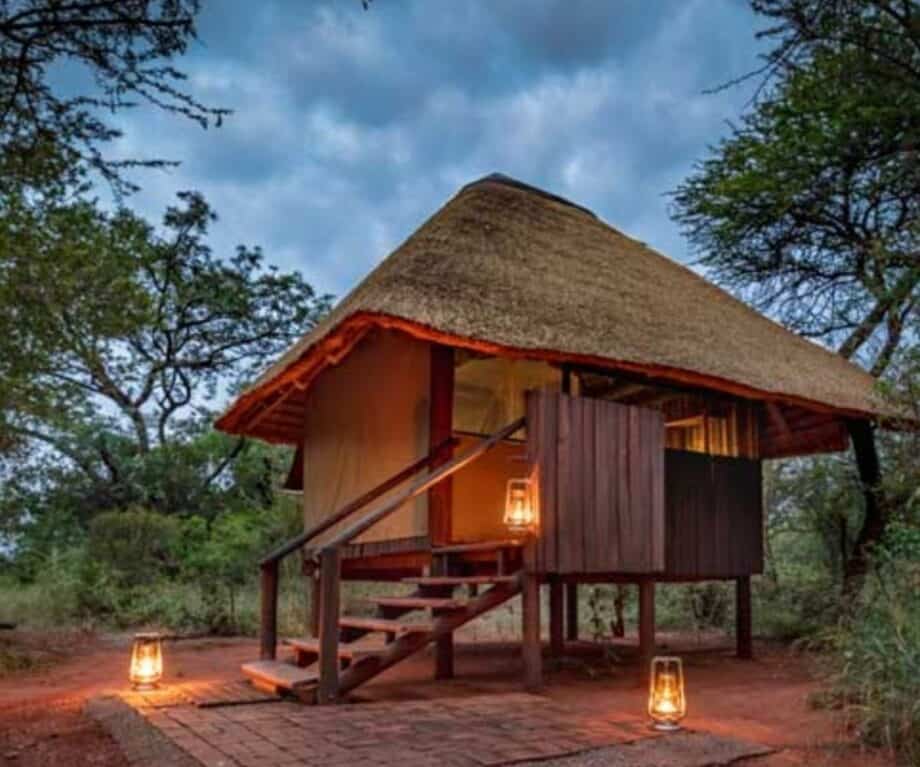
The lodge has 10 eco cabins that accommodate up to 16 people, so is small and intimate. The camp is right in the heart of the reserve and is purposely off grid, but with all the comforts you need including charming donkey boilers to ensure piping hot bucket showers.
Sublime South Luangwa at Lion Camp
Widely considered the birthplace of the walking safari, South Luangwa National Park in Zambia is another ideal location to track elephants, big cats, and other wildlife on foot, learning subtleties from some of Africa’s best guides.
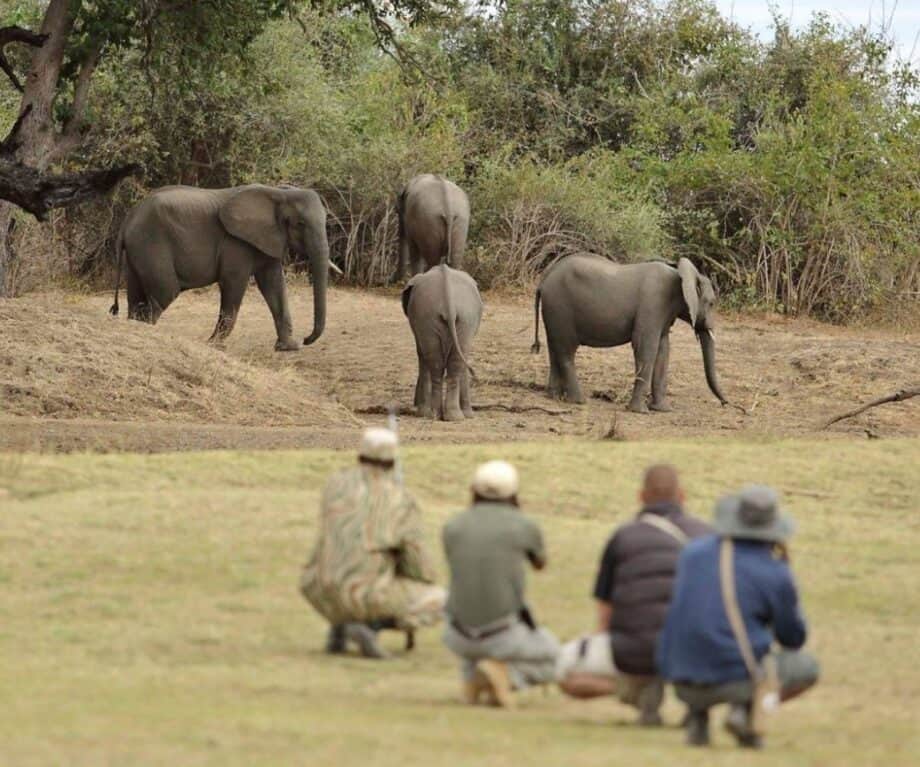
Lion Camp is nestled in one of the most secluded and wildlife-abundant corners of the park, positioned near one of the last remaining water sources during the dry season, its strategic location offers unrivalled wildlife encounters with minimal vehicle traffic—making every sighting feel truly intimate. Accompanied by a professional guide and a vetted game scout, you’ll uncover the finer details of the wilderness—from the delicate imprint of fresh tracks to the intricate beauty of native plants. Safe, immersive, and unforgettable, a walking safari is more than an adventure—it’s a life-changing encounter with nature that deepens your appreciation for the delicate balance of this remarkable ecosystem.
The new Northern Drakensberg Nature Way
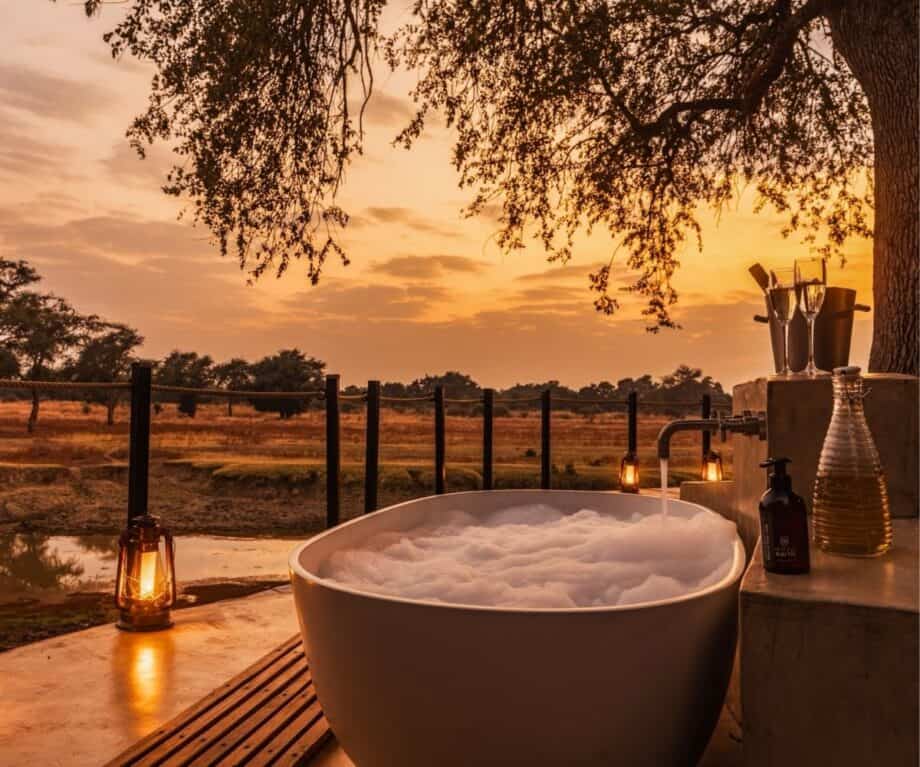
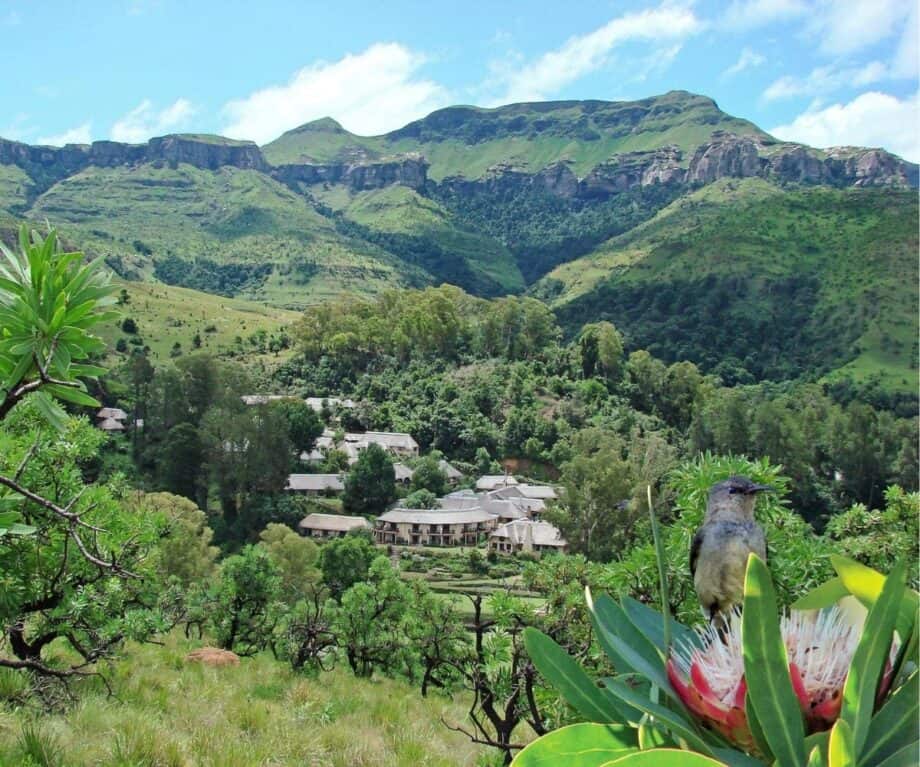
Just 3 hours from Durban, the Northern Drakensberg boasts one of South Africa’s most breathtaking landscapes. In April 2024, the Northern Drakensberg Nature Reserve was officially gazetted and another 6500ha of pristine mountain grassland is to be preserved – best explored on foot, horseback or through the meandering cycle tracks.
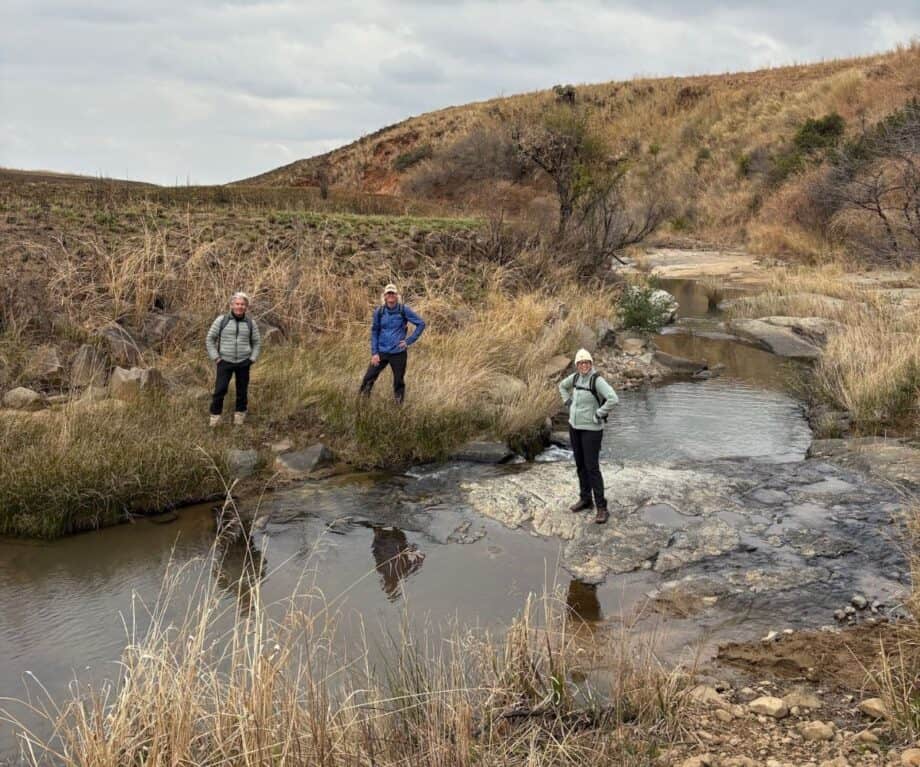
They recently launched a brand-new 4-day slackpacking trail called the Northern Drakensberg Nature Way, linking 4 beautiful mountain retreats, allowing guests to walk a 55km circular route complete with local guide, knowing that each night finishes with a warm welcome, a lovely hot meal, comfy bed, and the convenience of your luggage appearing just where you need it!
Accommodation is provided by The Cavern Drakensberg Resort & Spa, Greenfire Drakensberg Inn, The Berghouse & Cottages and Montusi Mountain Lodge, all bookable via All Out Adventures and The Northern Horse.
Empakaai & Olmoti crater walks in Tanzania’s Ngorongoro
Olmoti Crater is another ideal location to hike away from the hustle and bustle of touristy areas. The 2 to 3 hour guided hike winds its way through lush forests and grasslands and via some small waterfalls before arriving at the crater’s edge. Here, trekkers can witness sweeping vistas of hills and valleys all around. Though this trek is shorter than others, the opportunity to indulge in birdwatching and photography is plentiful on the way. This is a moderate hike that is suitable for most fitness levels
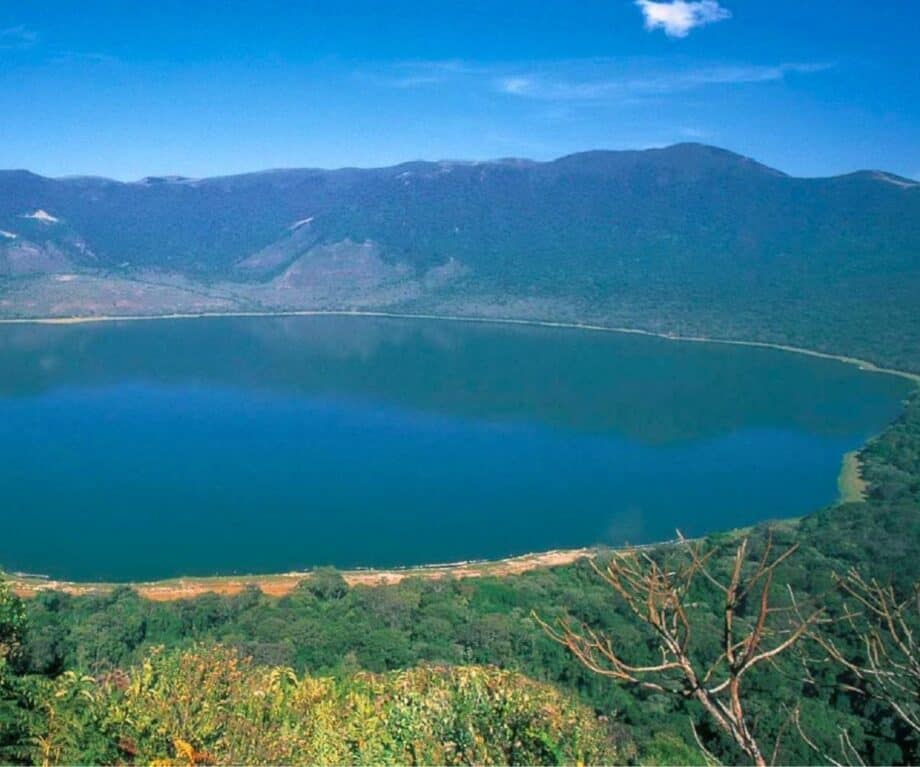
Though less frequented than Tanzania’s famous Ngorongoro Crater, Empakaai Crater is just as mesmerizing. The 3 to 4 hour descend into the crater takes you through lush forests before ending up at a tranquil lake at the base. Flamingos often flock here, making the place all the more beautiful. The uphill trek can be strenuous due to steep slopes – but offers breathtaking vista views of the crater’s inner walls from the rim with a serene lake at its centre. It’s a perfect place for solitude seekers with a reasonable level of fitness.
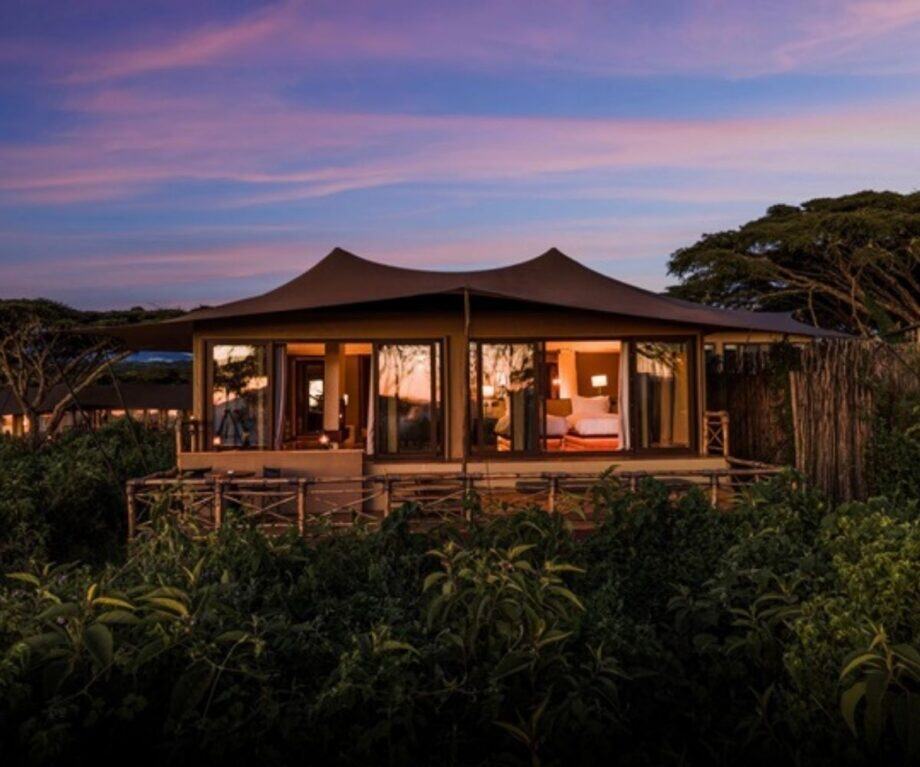
Both hikes are offered as optional extra activities for guests staying at Craters Edge by the Wilderness Collection. A great reason to linger longer at this stunning tented lodge!
This quote sums it up perfectly …
“If riding in a game-driving vehicle is like watching a National Geographic wildlife documentary, then a walking safari is like reading the book”
– Liberty Eiseb, trails guide at Onguma Trails Camp

Claire Roadley
Claire Roadley is Founder of Umlingo. Umlingo promotes authentic, sustainable hotels and safari eco lodges across Africa and the Indian Ocean Islands. If you would like to be a guest blogger on A Luxury Travel Blog in order to raise your profile, please contact us.
Did you enjoy this article?
Receive similar content direct to your inbox.


Yes, there’s always an adrenaline buzz to bumping through the bush in a safari vehicle on the look out for the Big Five.
Though looking back on my safaris, it’s often been the ultra slow travel of getting down from the vehicle and walking that has given me the most memories.
I’m heading into my 60s and am still waiting to go on my first safari which when I finally get there will be my first visit to the real Africa, I don’t think that Morocco and Egypt count. Until I read this I didn’t know anything about hikes. A bush hike will definitely be on my wish list when finally booking that first safari.
You will love it. A real bucket list experience. Hope you book your first safari soon. You will probably want to go back multiple times!
Some beautiful pictures here. It’s amazing that you can get this close to the wildlife.
Thanks so much. They certainly are some special spots. It was hard to narrow down the pictures actually! I’ll be heading to Kenya and Tanzania myself in a few weeks and cannot wait to get my feet back on African soil!
A camp like Onguma’s Trails is one type of safari that I’ve not experienced so far. I have stayed in some supremely luxurious safari lodges. Even though I’ve had an elephant drinking from my own private swimming pool I’ve always had the idea that under canvas I’d feel a little bit closer to nature.
Totally agree. I’ve bee very blessed to stay in some very fancy lodges across Africa but at the heart of it, that feeling of sleeping under canvas where you can hear every little bush noise, is my absolute favourite! Its great to mix a few nights in tented accommodation with the lodges where you can.
I’ve done some guided walks through the bush in Kenya and South Africa. What’s probably the most impressive thing is the knowledge of the guides, they take you to another world with their ability to pick up on the detail of the terrain and I never knew that a termites’ nest could be so fascinating.
So true! Our guide spotted the tiniest little Chameleon on the bush at Tembe Elephant Park in South Africa and my kids were absolutely fascinated. They talk about it still three years later as our guide showed them all the tiny details of how he moves and changes etc. I also came across a huge eland in my most recent walk in the Drakensberg which was very special on foot.
Although I’d never want a ranger to have to use his gun it is reassuring from the safety perspective to see that there is a back-up plan.
The gun is usually inly ever used to fire a warning shot into the air. In 25 years of safaris I’ve never ever seen a guide have to even do that. The real skill of a good guide is never getting into a situation where there is any real danger. Being respectful to the wildlife on their own turf is key.
So true! Our guide spotted the tiniest little Chameleon on the bush at Tembe Elephant Park in South Africa and my kids were absolutely fascinated. They talk about it still three years later as our guide showed them all the tiny details of how he moves and changes etc. I also came across a huge eland in my most recent walk in the Drakensberg which was very special on foot.
One of my guides had some amazing film on his phone of a colleague using a flaming torch to persuade a lion from getting too close to a group of guests enjoying sundowners in the bush. Impressive but also frightening.
In my conversations with guides, I’d agree that it’s very rare that they even have to fire a warning shot.
A friend has this saying that you should do something that scares you everyday as it’s good for you. I think going for a stroll through the bush would certainly tick that box.
That sub-heading “Heightened Connections” is so true when you get close to nature.
On some of the safaris I’ve done, the day has started with a game drive followed by breakfast. Then it’s been time for a walking safari slot and it’s been disappointing to see how many people (including my wife) haven’t jumped at that opportunity.
I can’t understand why people chose to laze by the pool, let’s face it you could do that closer to home without flying thousands of miles, when you could learn so much more about the nature around you. A safari doesn’t have to be all lions, elephants and leopards.
Between 6 to 8 km would be about enough for me, especially when you allow for the rough terrain and the heat!
Once you’ve been on a safari it gets into you blood and all the sights, sounds and smells keep coming back to haunt you.
Like so many other couples we did a safari for our honeymoon and had one short hike on that which was brilliant.
That was nearly 24 years ago and it looks as if we’re going to have to be empty nesters to do our next safari. It’s definitely top of our list for when we regain our freedom.
If you are thinking of doing a hike make sure that you pack for it with some strong shoes and sturdy calf length socks. Going for a walk in Africa is different. Your legs and ankles may not be prepared for grasses that irritate and insects that sting. I’m talking from painful experience here.
PS Also pack some antihistamines in case you do get any problems.
Loved reading this and looking at the great pics too. It opened my eyes to a whole new take on Africa. Thank you for a fascinating post.
What most people miss is the feeling of connection, the sense of being part of the safari rather than an observer. Thanks for sharing!