Coming soon to Zambia’s Kingdom

South Luangwa National Park in Zambia is widely regarded as one of Africa’s finest wildlife sanctuaries, combining exceptional game viewing with authentic wilderness. Covering just over 9,000 square kilometres, the park follows the course of the Luangwa River, whose oxbow lagoons and sandbanks form the lifeblood of its ecosystems.
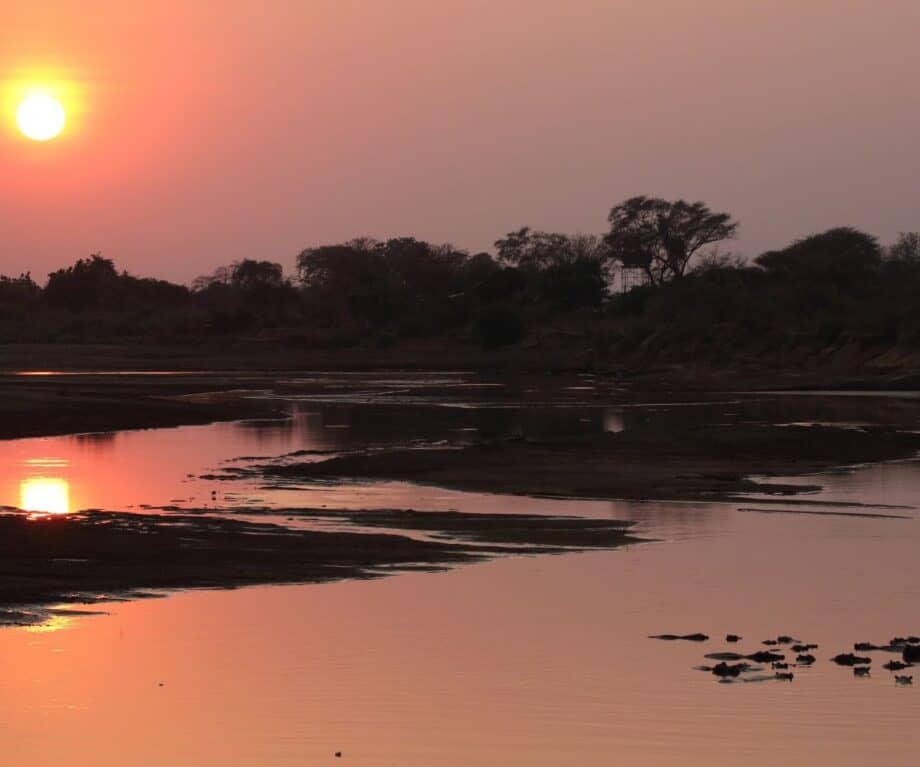
The river supports one of the highest densities of hippo and crocodile on the African continent, while its fertile floodplains draw in elephants, buffalo and large herds of antelope.
What to spot in South Luangwa National Park
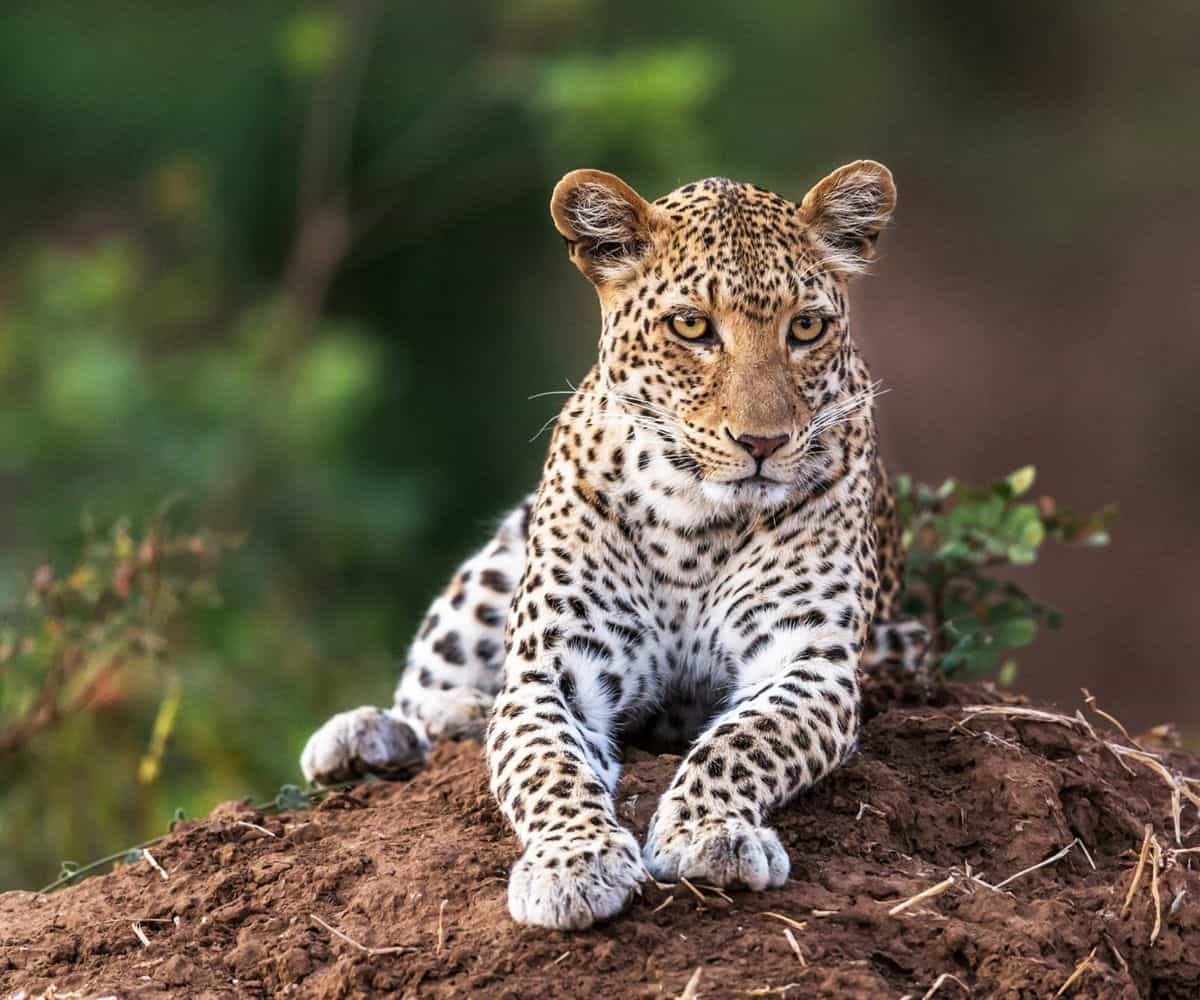
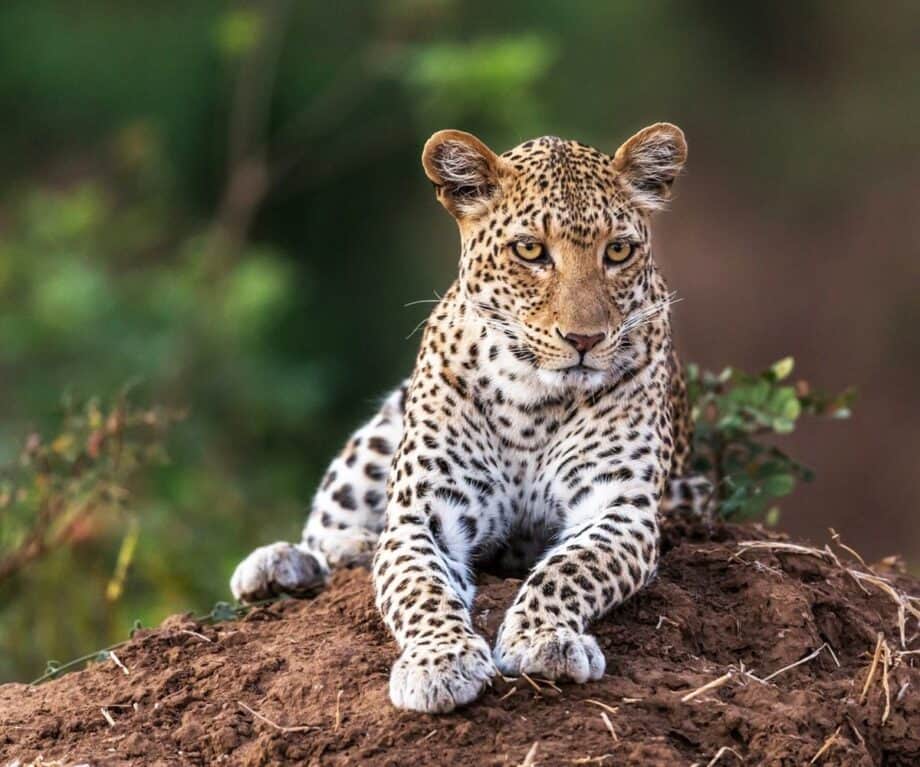
The park is home to 60 different animal species with the only notable exception being the rhino. This region is renowned for its big cats and other predators with lions and leopards in abundance – hence why it is also known as “The Valley of Leopards”. African wild dogs are also increasingly being recorded across the valley.
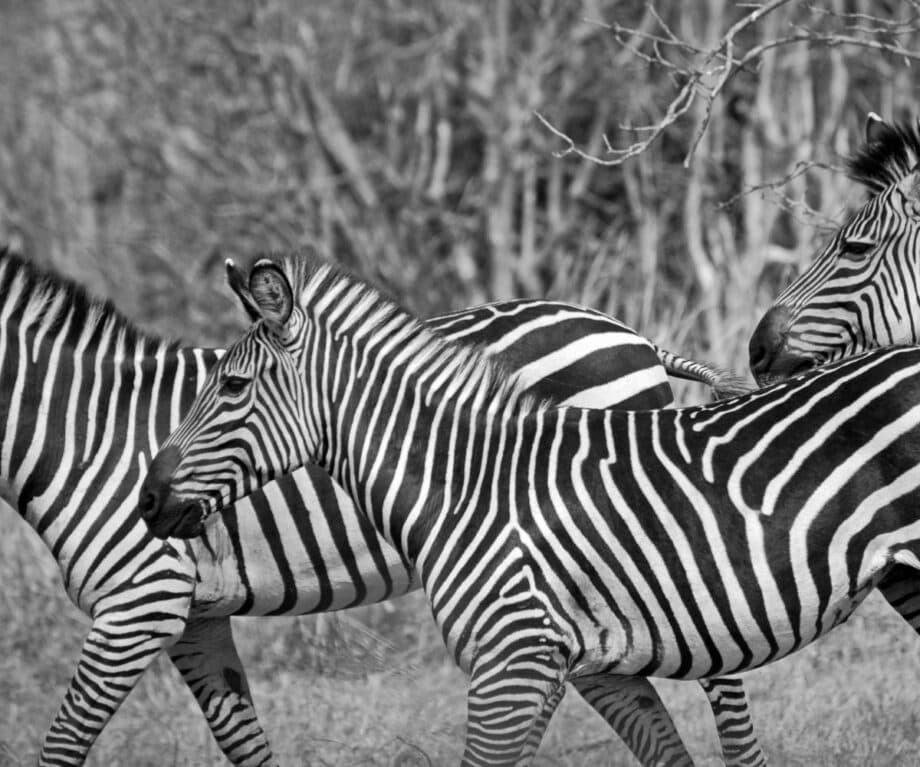
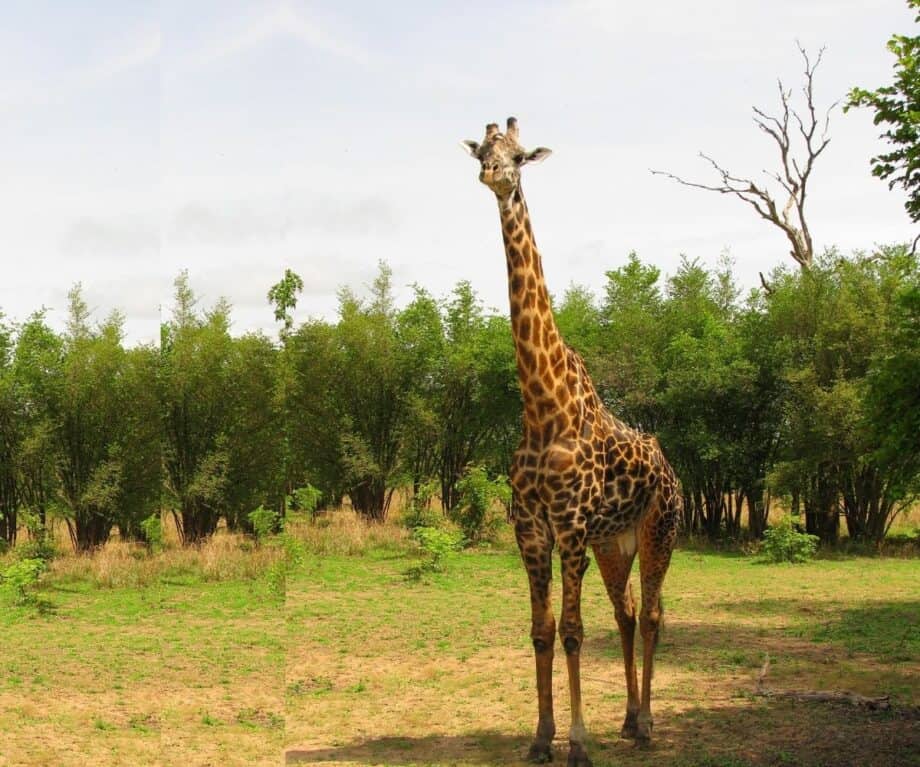
The park is also famous for its endemics and near-endemic species, including Thornicroft’s giraffe, Crawshay’s zebra and Cookson’s wildebeest, species that add a distinctive character to any safari here.
Birding Hotspot
Habitat diversity underpins this abundance, with a mosaic of mopane and miombo woodland, sweeping grasslands and stately sausage and ebony groves. This biodiversity fuels outstanding birding, with more than 400 recorded species – more than half of Zambia’s total 732 species!
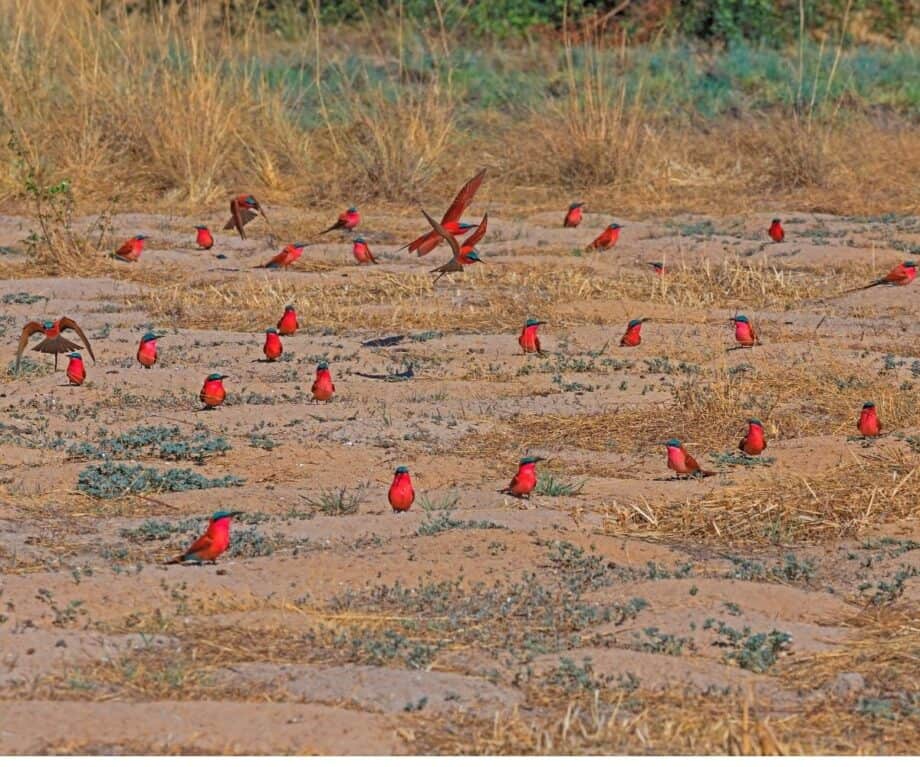
Birders will enjoy ticking off some wonderful specials, including vast congregations of waterbirds in the dry season including the iconic African Fish Eagle which is Zambia’s National Bird. Carmine bee-eaters transform the riverbanks into living murals, nesting in colonies in the soft cliffs and erupting into clouds of crimson and teal as they hunt insects on the wing.
Home of the walking safari
South Luangwa is largely considered to be the birthplace of the modern walking safari, pioneered in the mid-20th century by conservationist Norman Carr, and still one of the most rewarding ways to explore its tracks, scents and subtle behaviours.
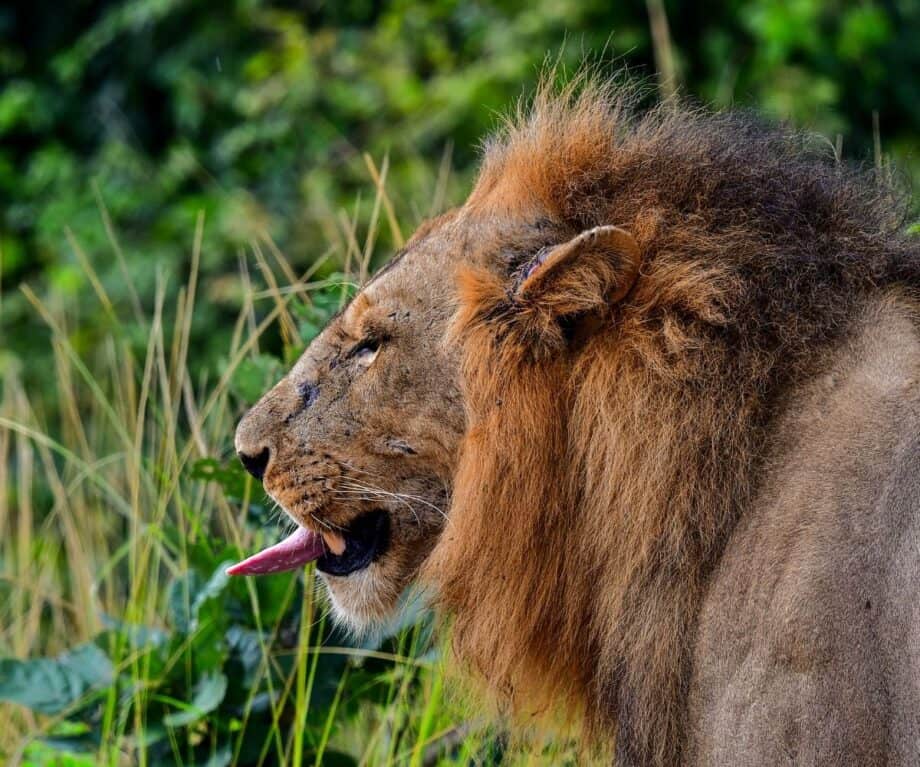
Seasonal changes here are dramatic: from dusty, tawny plains crowded with game in the dry months to the lush “emerald season”, when storms transform the valley into a green, bird-filled oasis. Best enjoyed on foot!
Everything you need to plan your trip in 2026
🌟 Luxury hotel deals from Booking
🏡 Vacation rentals from VRBO
✈️ Flights from KIWI
🛫 Private jets from Private Jet Finder
🅿️ Airport parking from ParkVia
🛋️ Airport lounges from Priority Pass
🚖 Airport taxis from Welcome Pickups
🚗 Car rentals from Discover Cars
🚐 Luxury RV rentals from RVshare
🚢 Cruises from Cruise Direct
🛥️ Ferries from Direct Ferries
🎫 Attractions tickets from Tiqets
🏞️ Tours from Viator or GetYourGuide
🛡️ Travel insurance from Safety Wing
🏥 Medical insurance from World Nomads
🧳 Luggage from Case Luggage
🛅 Luggage storage from Stasher
📚 Travel guides from Lonely Planet
📕 eBooks from Kindle Unlimited
🎧 Audiobooks from Audible
🎬 Movies from Prime Video UK
🎵 Music from Amazon Music UK
💶 Travel currency from Wise
📱 SIMs from SimOptions
🌐 VPNs from ExpressVPN or NordVPN
🛂 Visas from iVisa
The Kingdom – Showcasing the Nsefu Sector
The Nsefu Sector, recently showcased in Sir David Attenborough’s BBC series “The Kingdom”, is located in the remote northern reaches of South Luangwa National Park, offering an even more exclusive safari experience with particularly high densities of wildlife thanks to its mature riverine forest, ebony groves, open floodplains and natural springs that draw animals and birds year-round.
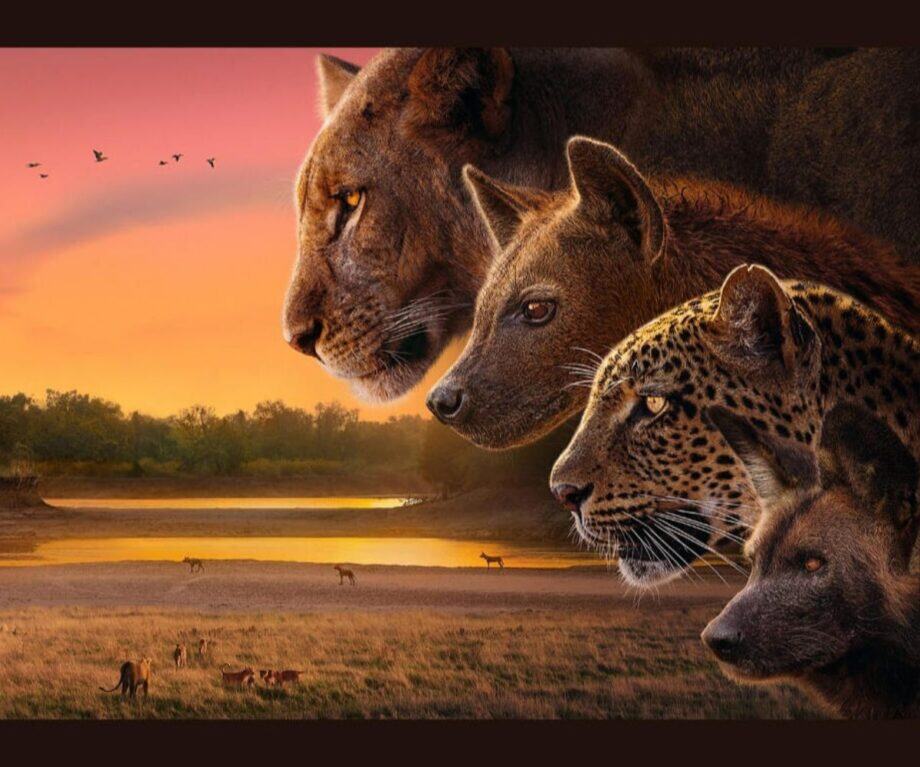
The Kingdom series follows the fortunes of four rival families, all trying to claim a rich corner of this paradise called Nsefu – headed up by four formidable females, namely leopardess Olimba, wild dog queen Storm, hyena matriarch Tenta and lioness Rita – filmed over five years as they give birth, hunt, fall ill, gain new territory and face intruders. Watch now on BBC iPlayer.
When to visit Zambia
Zambia is a great destination to visit pretty much all year round, bar January and February during the height of the rainy season. The best time is generally considered the dry winter season which runs from May to October, with peak season in South Luangwa being July to October, when the game viewing is at its best. Shoulder seasons tend to run in June and November.
Many camps close for January and February for the wet season. The green season is very lush and beautiful, with many camps offering reduced rates from March to May.
Getting to South Luangwa
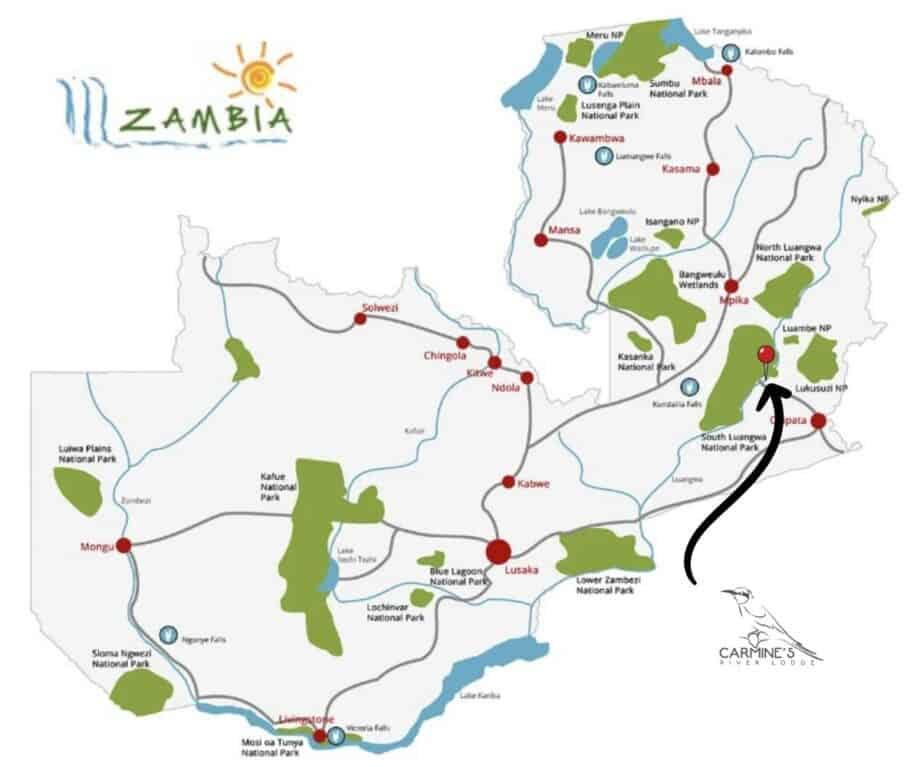
Access to South Luangwa is via a 70‑minute flight from Kenneth Kuanda International Airport in Lusaka to Mfuwe International Airport. There are multiple flights every day with Proflight Zambia as well as the option to charter planes.
Visitors from the UK and Ireland, USA, China, Germany, Norway, Sweden, Belgium and South Africa do not require visas to enter Zambia.
Carmines River Lodge launching June 2026
Carmines River Lodge is a new ultra-private safari lodge being developed on a 54‑acre private island in South Luangwa’s “Valley of Leopards”, due to launch in June 2026.
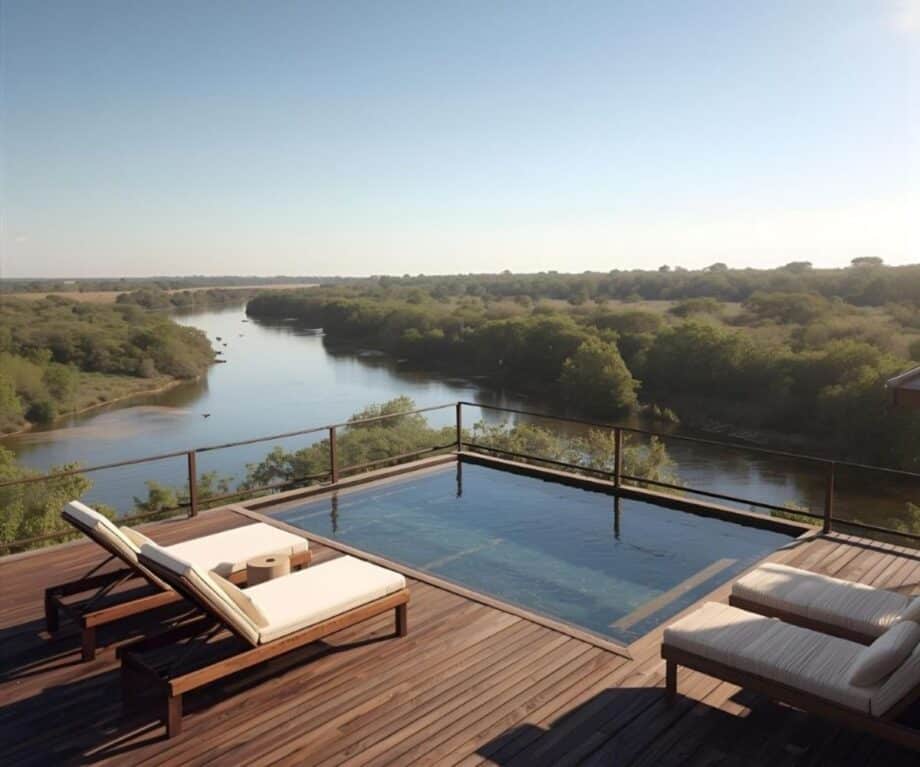
Positioned between two rivers overlooking the Msandile and the Luangwa Wafwa Oxbow lagoon, it sits opposite the world’s largest colony of carmine bee-eaters, which inspired both the lodge’s name and its beautiful bird-focused theme.
It is located about less than hour’s drive from Mfuwe airport and is perfectly positioned for exploring the area, just 10 minutes by pontoon from South Luangwa National Park and only 20 minutes from Nsefu.
The lodge will initially comprise just three elevated two‑bedroom villas set among mature ebony trees, each designed for privacy with panoramic lagoon views. Each villa will be 239m sq. with contemporary African styling, with floor‑to‑ceiling glass, indoor–outdoor bathrooms and private plunge pools. The lodge caters for 12 guests but can accommodate up to 18 guests in total on request, using extra beds if and when needed for children/tweens.
This lodge has been thoughtfully designed to be inclusive and accessible. One room will be specially equipped for guests with mobility needs, featuring wheelchair-friendly access, supportive grab rails, and discreet panic buttons to ensure comfort and safety.
Activities will include game drives, walking safaris and boat safaris, with a strong emphasis on predator viewing, elephants, wild dogs and the valley’s notable birdlife.
The lodge’s position opposite vast carmine bee-eater colonies makes it a prime base for birders and photographers during the late dry season.
The lodge will offer high-end, low-impact eco-luxury with conservation and community upliftment at its core, running on 100% solar power, supported by a full water filtration plant and using only biodegradable amenities.

Claire Roadley
Claire Roadley is Founder of Umlingo. Umlingo promotes authentic, sustainable hotels and safari eco lodges across Africa and the Indian Ocean Islands. If you would like to be a guest blogger on A Luxury Travel Blog in order to raise your profile, please contact us.
Did you enjoy this article?
Receive similar content direct to your inbox.

Big, big tick. At least it’s a leopard. Even though I’ve been on 4 safaris I’m still yet to see one in the wild. That ambition is Number One on my travel bucket list.
Carmines River Lodge looks very exciting. Maybe we could have a dedicated review on it one day – with loads more pics?
I’m hoping to go on a safari in the next year or two. Zambia hadn’t been on my radar – it is now!
As a birder, I was thrilled to read about the 400 plus species recorded here. That alone for me would make the trip.
“The Valley of Leopards” is such an evocative nickname, and your explanation of the big cat density makes it easy to see why.
I love that wild dogs are increasingly being recorded too. That must make for some incredibly special sightings.
9,000 square kilometres – Africa’s on a different scale. I can’t get my head around places that big.
This post perfectly conveys why South Luangwa is considered one of Africa’s finest wildlife sanctuaries. The combination of habitat diversity, endemic species like Thornicroft’s giraffe, and the seasonal transformation from dusty plains to emerald abundance makes it feel dynamic and alive all year-round. It’s rare to find a destination that seems to offer such depth for every kind of safari enthusiast.
That’s a wonderful sunset picture. The image of the zebras is also so iconic.
I didn’t realise South Luangwa was the birthplace of the walking safari. Exploring on foot must add such a powerful dimension. Tracking scents, prints and subtle behaviours rather than just viewing from a vehicle must give you so much more understanding.
The explanation of the best times to visit Zambia is really helpful. Zambia’s a long way away and I’ve got no idea about seasons out there.
I’ve read before that the green season has its own appeal, especially with fewer crowds and lower rates. That lush, bird-filled valley must be magical after the rains.
Your paragraph about supporting one of the highest densities of hippo and crocodile in Africa really underlines how vital water is to this ecosystem.
I’d love to experience a sunset along those sandbanks looking out for whatever wildlife I can see.