
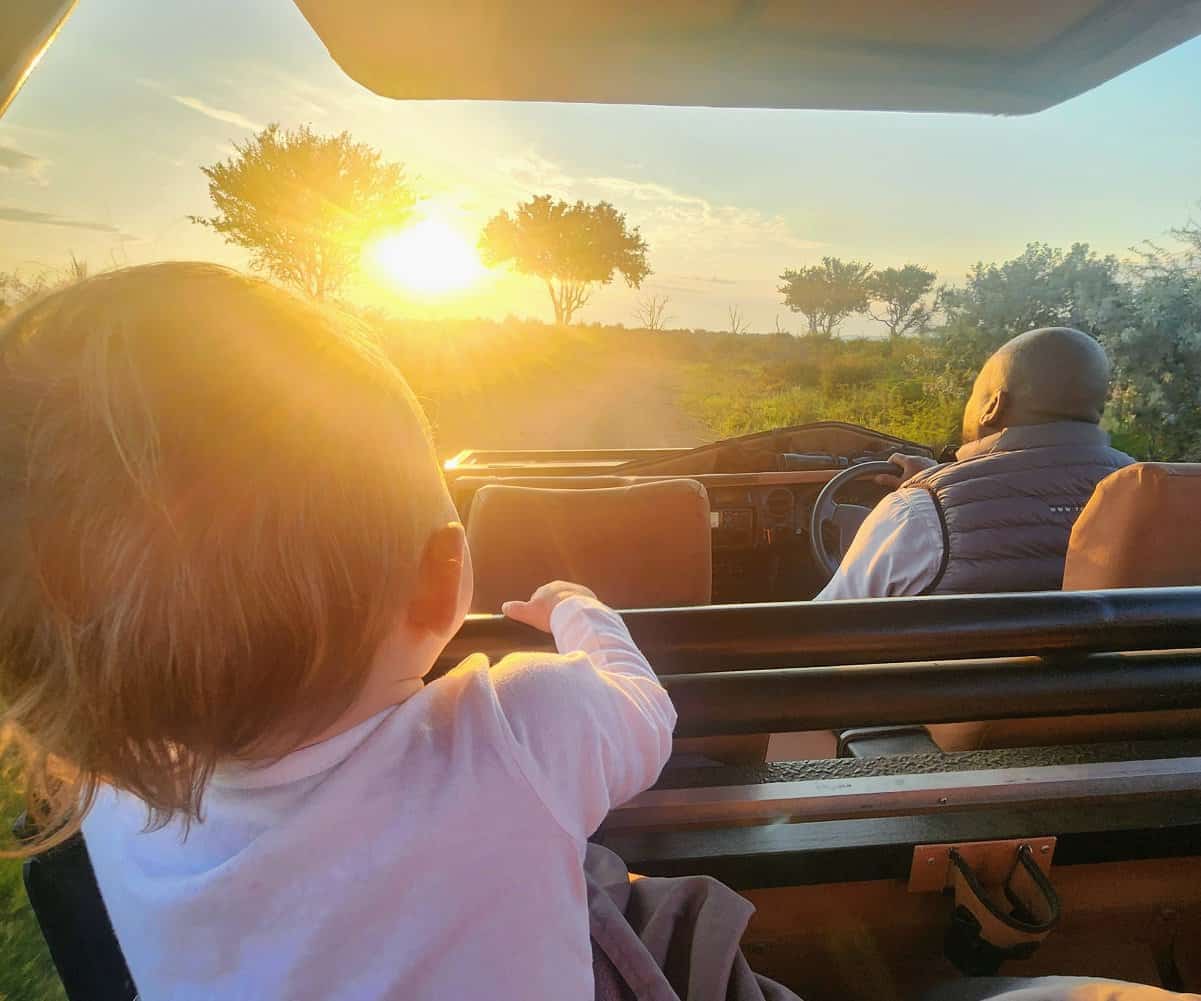
The anti-itinerary safari

For decades, all-inclusive safaris have followed the same schedule. Pre-dawn wake-up calls. Game drives that leave on time whether you’re ready or not. Structured mealtimes. Planned downtime. Communal meals. It’s a structure most accept as part of the deal. But what if that’s not the way a safari is meant to be enjoyed?
As a born and bred South African, the safari holiday isn’t once-in-a-lifetime for me. It’s something of a routine. An annual, or even more frequent, event. And to be honest I’d never really questioned its structure. But during a recent stay at an ultra-luxury private villa in South Africa’s Madikwe Game Reserve, I experienced something that felt fundamentally different from any safari I’d done before. It wasn’t just more exclusive or more indulgent, it was freer. Unscripted. Almost deliberately anti-safari in the way it dismantled everything I’d come to expect.
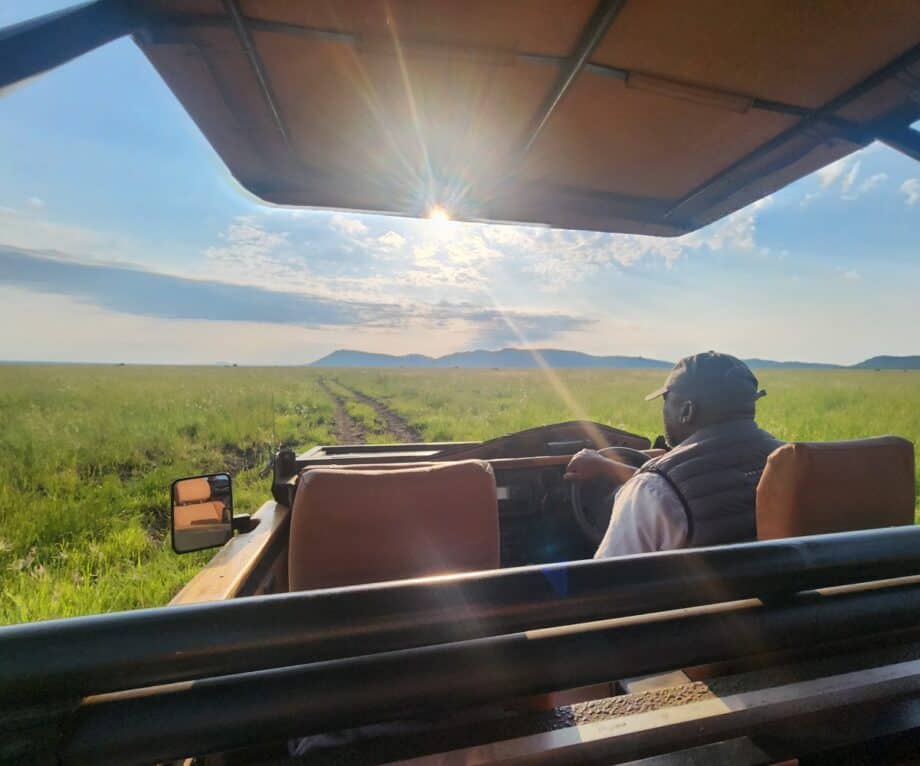
A safari without a schedule
Sure, at some of South Africa’s biggest game reserves, you can self-drive, self-cater and set your own safari schedule. But if you’re after the trimmings that the quintessential all-inclusive safari offers then you’re pretty much bound by a daily schedule that isn’t your own. In the past it was ideal, expected even, especially in a world where set tours and group holidays were in vogue. But with travel trends favouring personalisation and experiential-led holidays, the typical safari feels oddly dated now.
Enter our experience staying at The Royal Villa at Royal Madikwe. The villa was entirely ours. Not just a private suite within a lodge. We had the whole lodge to ourselves, supported by a dedicated team of eight to ten staff focused solely on our family. There were no fixed mealtimes unless we asked for them. No incessant ringing of a telephone followed by a voice asking if we were awake – “Um, well we are now.” Game drives happened if and when we wanted them to for as long, or short, as we felt like it. A private chef cooked whatever we felt like eating, from perfectly cooked steak to fresh prawns, when we felt like eating it. The minibar wasn’t a symbolic tick box; it was a walk-in wine cellar and a fully stocked fridge. And the heated plunge pool became the centre of the day, not the too-cold amenity it so often is, lovely to look at but unused between a day filled with activities.
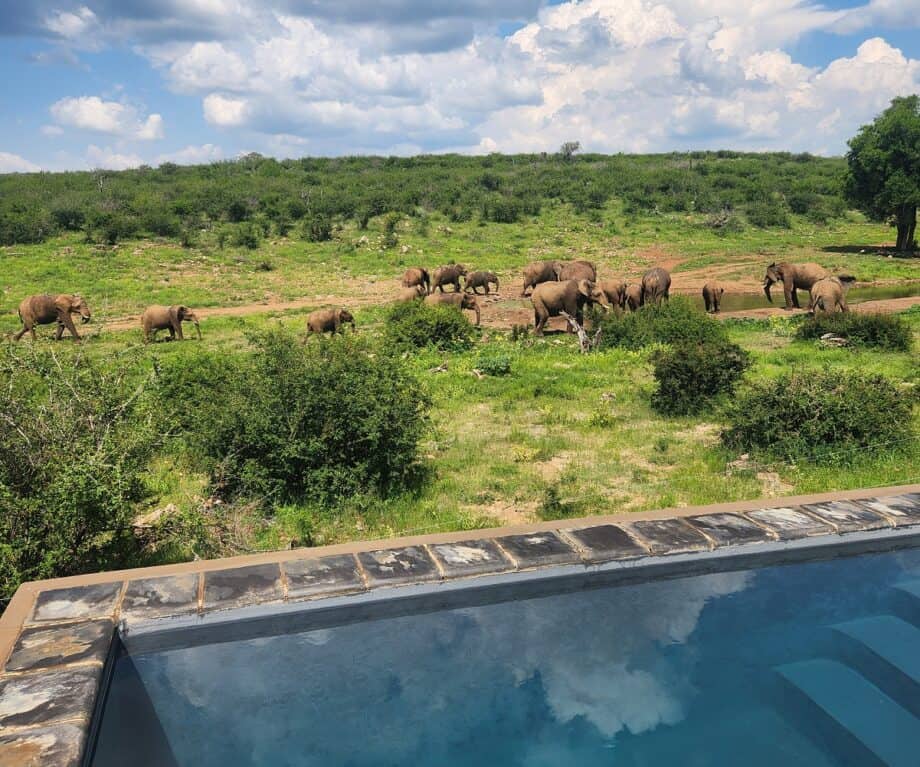
What surprised me most was that wildlife viewing didn’t suffer in the slightest. Lions and wild dogs were regular sightings. Cheetah too. The old adage of being up before the sun to see predators didn’t seem to apply here.
The way we travel has changed
But this shift away from the scheduled safari isn’t just happening at places like Royal Madikwe. Travellers are choosing private riads over hotels in Marrakech, villas over resorts in the Caribbean, and houses over hotels in Europe. For me, it’s about privacy, control, and the feeling that the experience adapts to us. We’ve moved away from being forced to enjoy our holiday, bound by some pre-conceived notion of where we need to be when. After all, the minute-to-minute planning of our lives is exactly what we’re trying to escape on holiday, isn’t it?
But why isn’t a personal safari really a thing? Safaris, curiously, have been slow to embrace this model.
Part of that delay makes sense. Safari logistics are complex. Wildlife areas operate under strict conservation rules. Guides, trackers, vehicles, chefs, and hospitality staff all need to work in harmony, often in remote environments. Traditional lodge formats are efficient, predictable, and easier to manage. They’ve also been wildly successful for decades. Why would you change something that isn’t broken?
But Africa is uniquely suited to private villa safaris in a way few destinations are. Vast landscapes, low-density reserves, extraordinary staff-to-guest ratios, and people with deeply ingrained cultures of service and hospitality, mean the personal safari is a no brainer. And it makes sense that this shift in the safari world is happening now, even if Africa, as it so often is, is a bit late to the party. After years of hyper-connectivity, algorithm-driven itineraries, and travel designed for consumption rather than experience, there’s a craving for something slower.
Private villas, like those offered at Royal Madikwe, allow for that in a way traditional safari models struggle to do. They offer a reset and a return to why I’m drawn to the bush in the first place.
Why choose a private villa for your safari
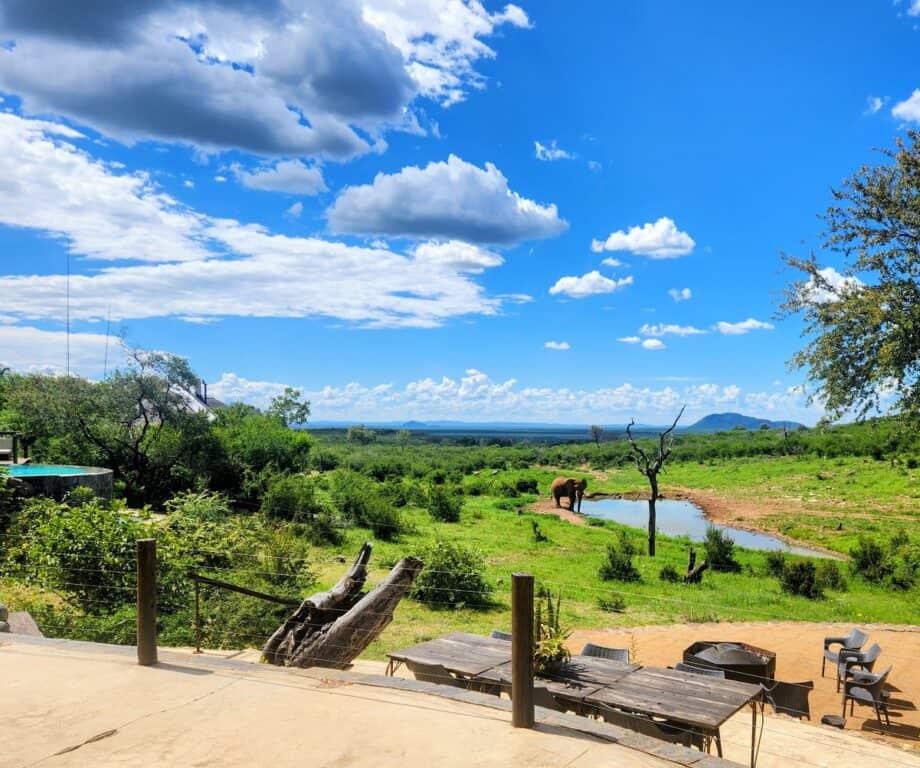
On a traditional safari, the day is built around maximising sightings. On a villa safari, the day is built around you. That doesn’t mean less wildlife, but it does mean more choice. I like that you can sit out a morning drive without guilt. Head out late because a sleep in on holiday is what your body needs. Return early because you’d rather swim and actually enjoy the lodge you’ve forked out thousands to stay at. Linger at a sighting or with a G&T in the middle of nowhere. Or skip the drive entirely and let the animals come to you.
This autonomy becomes even more powerful for families, groups, or those who’ve been on safari before. When you remove the pressure of ticking boxes or attending every scheduled activity, the experience changes. The pressure evaporates. Conversations deepen. You can stop watching the clock. And heaven forbid, actually relax.
There’s also an intimacy to private villas that traditional lodges can’t easily replicate. You get the same guide, chef, waiter and child minder throughout the stay. Meals are shaped around your personal preferences rather than set menus. Staff quickly learn how you take your coffee, when you like to eat, whether you want company or quiet. Over a few days, it feels less like being hosted and more like a home you never knew you wanted or truly needed.
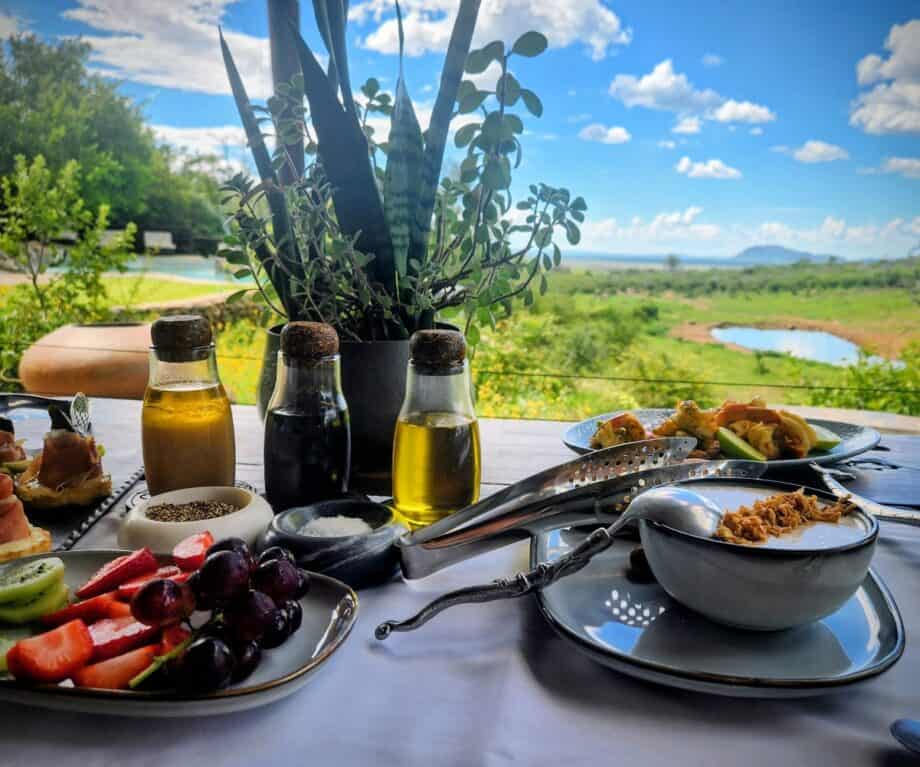
In today’s fast-paced world, it’s the luxury of not being rushed. Of not having to share space if you don’t want to.
Personally, I hope it’s less of a trend and more of an evolution. One that aligns the safari experience with how people want to travel now. Because once you’ve experienced the bush on your own terms, it’s hard to imagine going back to a bell ringing you out of bed before dawn. Unless, of course, you feel like it.

Janine Avery
Janine Avery is a travel writer from Cape Town, South Africa. She is a lover of all things nature and loves to explore new places, enjoying any form of travel from basic tenting to lazing in luxury lodges.
Did you enjoy this article?
Receive similar content direct to your inbox.

At last – some freedom on safari! Often as soon as you arrive at a lodge you’re bundled into a vehicles and are off for what is often a long game drive. That isn’t always what you want after a long journey.
100%. Sometimes you don’t even get to unpack or actually look around before you are off!
At the best of times I’m never an early riser. It’s reassuring that I’d still get to see my share of wildlife, even if I have a lie-in.
Yeah, safaris are certainly not made for late sleepers! While you may miss some things by skipping the early mornings, we found in Madikwe there was so much wildlife it really didn’t matter and by going out later the guides were already aware of what had been seen where so often it was actually in our favour!
I’ve always imagined safaris as very structured experiences, even though I haven’t done one yet, so the idea of a completely flexible one is fascinating.
Having a private chef, your own guide, and the freedom to decide when you head out for game drives is very attractive. It almost feels less like a holiday and more like a home in the bush for a few days.
Yes, it turns the safari experience on its head! Not sure we will ever be able to do a traditional safari again to be honest!
You are absolutely right about plunge pools. Even in the African mid-day sun they are often too cold.
Right! So many lodges don’t heat them and they are absolutely freezing so while you are paying a lot of money for what looks like a fabulous amenity, in reality it is never used. It’s the little details that really make a difference!
On my last safari on the last morning I went rogue and stayed at the lodge whilst all the other guests went out on game drives.
I watched the sun rise and saw elephants and hippo at the waterhole. I chatted to the staff about their homes and families. You don’t have to go bumping across the bush for 3 hours to learn about Africa.
FOMO is a real thing on safari. It takes a seasoned traveller to learn that sometimes the best sightings and experiences are enjoyed right in camp and the traditional safari schedule often doesn’t allow for this.
The way that we travel has changed is a big subheading.
In reality, you could have used it at any time in history. The big thing here is that travel is changing faster than previously.
It’s something that every travel business has to be aware of.
True, and every generation wants something different from travel now so knowing your target audience is also a big factor.
You’ve made me think again about going on safari. As I’m still waiting to go to Africa, I had a very naive view of what happened on a safari. I had no idea that they were so structured, my partner and I like our freedom and wouldn’t cope at all with a rigid itinerary. Thanks for this post, we’ve now got a better idea of what would suit us.
Definitely something to think about. You absolutely must come to Africa and do a safari, you will not regret it! But if schedules aren’t your thing definitely consider looking for a private villa or boutique lodge where your days are more flexible. Your own vehicle and guide will make all the difference.
This seems a different mindset to the usual safari where everything revolves round the game-drives and you’re almost made to feel guilty if you miss one.
Exactly, this is a safari that actually feels like a holiday (imagine that!)
This sounds a big contrast to the usual safari. It sounds like the experience allowed you to connect more deeply with the surroundings and with the people you were travelling with.
Most definitely! I highly recommend it!
Sounds like a more attractive option for us.
This is such a refreshing perspective on safari travel! I really love the idea of an “anti-itinerary” approach—it makes the whole experience feel more immersive and less rushed.
I never realised how structured traditional safaris were until reading this. It’s made me think about what I want from a safari.