

Empty legs in Europe: what they really are (and when they are worth it)

In my earlier note on what it actually costs to fly private in Europe, I mentioned empty legs only briefly. They deserve a fuller explanation of their own, because they are probably the most misunderstood idea in private aviation — and the one most often sold with more glamour than clarity.
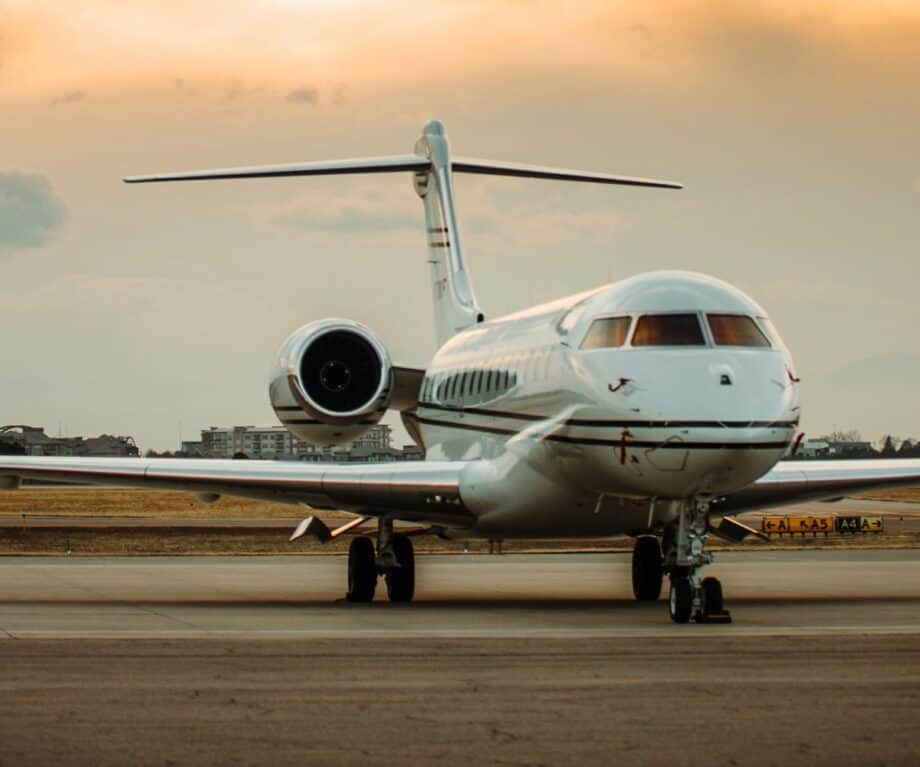
An empty leg sounds, at first hearing, like a secret menu: private jet travel for a fraction of the usual charter price. Sometimes that is exactly what it is. Often it is something narrower — a genuine opportunity with real constraints attached.
Once you understand why those flights exist, the discounts make sense. So do the disappointments.
Why the aircraft is flying empty in the first place
Imagine a family charters a midsize jet from London to Ibiza on a Friday. The holiday ends on Sunday. The aircraft, however, may already have another booking elsewhere on Monday. Or the operator may simply need the jet back at its base.

Either way, the cabin has to move again.
If nobody is booked on that repositioning sector, the aircraft flies empty. Fuel is burned, crew hours are used and the operator receives nothing in return. That is an unattractive outcome for any business that treats aircraft as working assets.
So the empty sector may be offered at a substantial discount. The operator would rather receive some revenue than none at all.
That is the whole idea. An empty leg is not a scheduled flight that happens to be cheap. It is a by-product of somebody else’s itinerary.
You are not buying a seat on an aircraft that would have flown your route anyway in the way a commercial airline sells seats. You are stepping into a gap created by another passenger’s plans.
Why the price can look dramatically better
A normal one-way charter has to cover a great deal more than your flying time.
The aircraft may need to position to collect you. It may sit waiting. After dropping you off, it may have to fly empty again. Peak dates, awkward airports and scarce aircraft all push the quotation higher. That is why a short European hop can still feel expensive even when the airborne sector itself is relatively short.
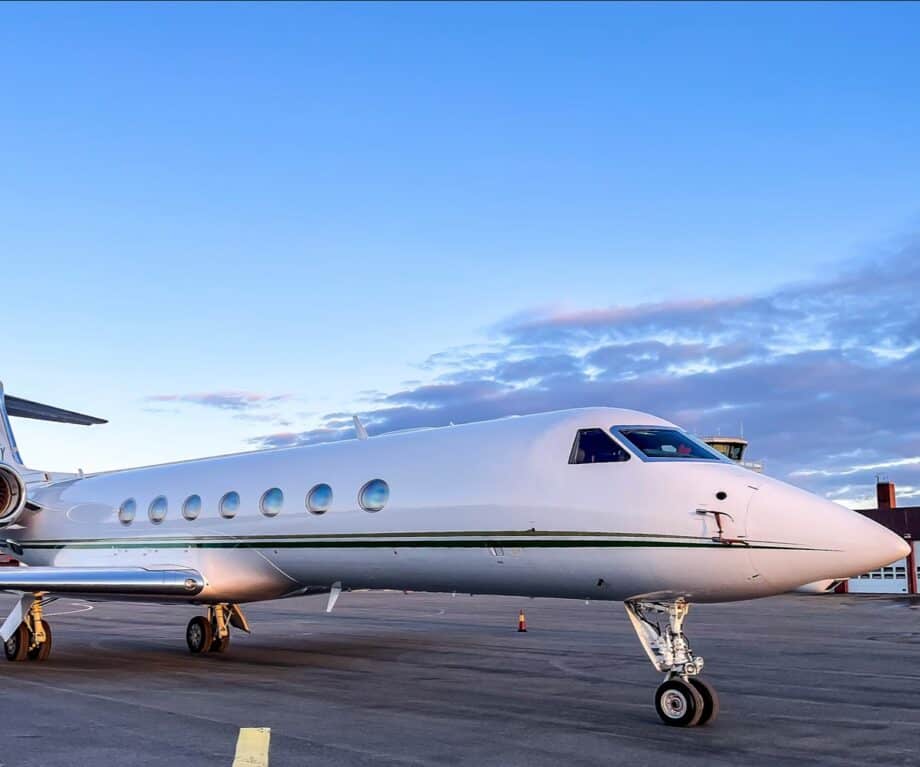
An empty leg sells a sector that was already going to happen for operational reasons. The alternative for the operator, on that particular movement, is often zero revenue.
When the route and timing happen to match your plans, discounts of several tens of percent compared with a normal charter are entirely possible. In particularly favourable circumstances they can be considerably greater.
The important point is that the economics are different because the purpose of the flight is different. The aircraft is not being rearranged around you. You are being offered a place on a movement that already had a reason to exist.
The catch is built into the opportunity
Because the empty leg is driven by somebody else’s itinerary, it inherits that itinerary’s instability.
If the original passenger changes plans, the empty leg may change as well. Its departure time can move. The aircraft can change. In some cases the flight disappears entirely because the positioning requirement no longer exists.

That is not a trick. It is the natural consequence of what an empty leg actually is.
For flexible leisure travel, that can be a perfectly acceptable compromise. If you fancy a weekend in the South of France and are happy to move your departure by a few hours — or even by a day — an empty leg can offer exceptional value.
If you absolutely must be in Zurich at 09.00 for a meeting, relying on somebody else’s repositioning flight is much less attractive. In that situation you are usually better served by a proper charter hold: an aircraft arranged around your timetable rather than around another passenger’s.
Empty legs are best thought of as opportunities rather than cheap scheduled flights.
Everything you need to plan your trip in 2026
🌟 Luxury hotel deals from Booking
🏡 Vacation rentals from VRBO
✈️ Flights from KIWI
🛫 Private jets from Private Jet Finder
🅿️ Airport parking from ParkVia
🛋️ Airport lounges from Priority Pass
🚖 Airport taxis from Welcome Pickups
🚗 Car rentals from Discover Cars
🚐 Luxury RV rentals from RVshare
🚢 Cruises from Cruise Direct
🛥️ Ferries from Direct Ferries
🎫 Attractions tickets from Tiqets
🏞️ Tours from Viator or GetYourGuide
🛡️ Travel insurance from Safety Wing
🏥 Medical insurance from World Nomads
🧳 Luggage from Case Luggage
🛅 Luggage storage from Stasher
📚 Travel guides from Lonely Planet
📕 eBooks from Kindle Unlimited
🎧 Audiobooks from Audible
🎬 Movies from Prime Video UK
🎵 Music from Amazon Music UK
💶 Travel currency from Wise
📱 SIMs from SimOptions
🌐 VPNs from ExpressVPN or NordVPN
🛂 Visas from iVisa
Flexibility is usually worth more than hunting for the lowest published number
The travellers who get the most from empty legs are rarely the ones staring at a single city pair and a single clock time.
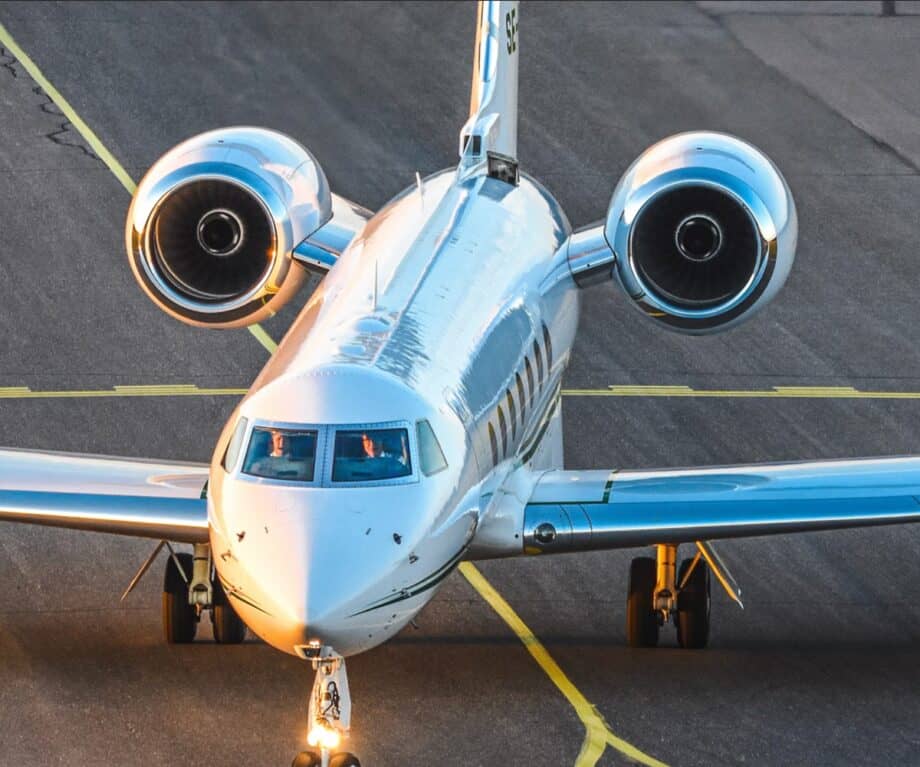
“London” in business aviation can mean Farnborough, Biggin Hill, Luton or Stansted. “Nice” can, on the right day, be Cannes or Le Castellet. Empty-leg supply clusters around where aircraft actually need to reposition, not around the commercial airport you first typed into a search box.
The same is true of time. A departure that moves by a few hours is often the difference between a genuine opportunity and nothing at all. If your diary only works for one exact slot, you are largely back in conventional charter territory — which is fine, but it is a different product.
I generally find it more useful to ask:
“Could we leave Friday afternoon or Saturday morning? And would Biggin Hill or Luton work if Farnborough does not?”
than to insist on one aircraft, one airport and one hour, then hope an empty leg magically appears.
Quite often, an hour of flexibility is worth more than a lengthy negotiation.
Match the cabin to the people and the luggage
Seven seats on paper does not always mean seven holiday bags, skis or golf clubs.
This point came up repeatedly when readers responded to the earlier pricing article, and it matters even more with empty legs, because the temptation is to chase the headline fare first and only afterwards ask whether the aircraft actually fits the journey.
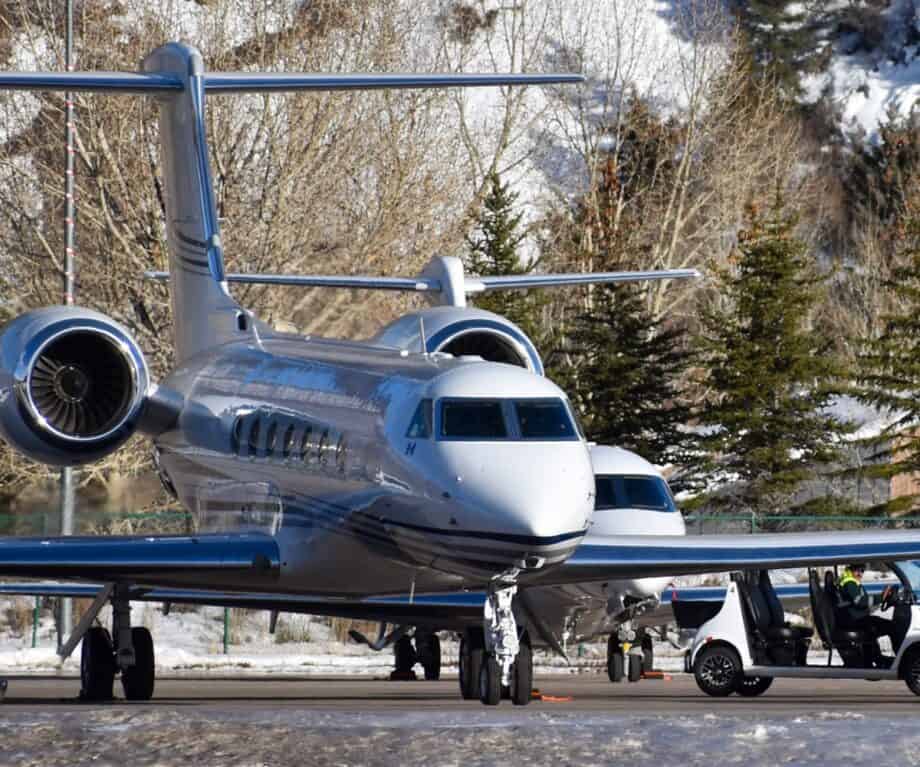
A group heading to the Alps may arrive with skis, boots and large suitcases. A family travelling to Mallorca for three weeks may have several pieces of luggage per person, a pushchair and children’s equipment. Pets have their own requirements.
The right empty leg is the one that fits the travellers and the bags, not only the discount. The cheapest listing is not automatically the wisest booking.
When an empty leg is the wrong tool
There are journeys for which empty legs are simply the wrong instrument.
If the date is immovable, the party is large, the destination is thin on business-aviation traffic, or you need a confirmed aircraft days ahead with no plan B, pay for a proper charter. Empty legs are a pricing opportunity created by someone else’s itinerary. They are not a substitute for reliability when reliability is the point.
Nor should they be confused with a membership programme, a jet card or a guaranteed aircraft category. Those products buy predictability. An empty leg buys a moment of operational surplus — if it still exists when you are ready to take it.
Used honestly, empty legs remain one of the more interesting corners of European private travel: sell the flight that was going to happen anyway, to someone who can live with its edges.
How to think about them in 2026
Technology has made empty legs easier to find than they once were. Instead of relying on a single operator’s fax list or a broker’s memory, travellers can increasingly search large numbers of repositioning movements, nearby airports and flexible dates.
That helps. It does not remove the underlying logic.
You are still looking for a surplus. The surplus still depends on another passenger’s plans. The price is still attractive because the aircraft was already committed to move.
So the useful questions are not “What is the cheapest empty leg in Europe today?” so much as:
Does this route and timing actually solve my journey?
Can I live with a change if the original charter shifts?
Does the aircraft fit the people and the luggage?
And if it vanishes, what is my plan B?
Answer those plainly, and empty legs stop looking like a mysterious bargain and start looking like what they are: a useful, sometimes excellent, sometimes unsuitable way to travel privately in Europe.

Christoph Lymbersky
Christoph Lymbersky is Founder and CEO of Limitless Sky. Limitless Sky is an independent private aviation booking platform combining instant private jet booking and live charter offers with a 24/7 charter desk, AI-guided empty-leg search, automated route alerts and membership services for frequent private flyers. If you would like to be a guest blogger on A Luxury Travel Blog in order to raise your profile, please contact us.
Did you enjoy this article?
Receive similar content direct to your inbox.