
More than a Michelin Star: New Zealand’s food scene, finally in the spotlight

New Zealand’s food story is worth travelling for. People often ask me what New Zealand food actually is, and I never have a tidy answer. France has a cuisine. So does Italy, so does Japan. Say the name and a whole tradition arrives with it, based on centuries of tradition and culture, and instantly recognisable. New Zealand hasn’t really had that, and for a long time I thought of it as a gap.
When the Michelin Guide handed out its first New Zealand awards this year, that old question came back to me; what is typical Kiwi cuisine?
The numbers were genuinely something; we have fourteen restaurants with a star, while Essence in Queenstown has two. There are more than a hundred names in the inaugural guide altogether, a proper recognition for an industry that has been building its case for decades. But it wasn’t the count that got me thinking. It was picturing the inspectors out on the road for months, working out what this country’s food was before they could put a number on it.
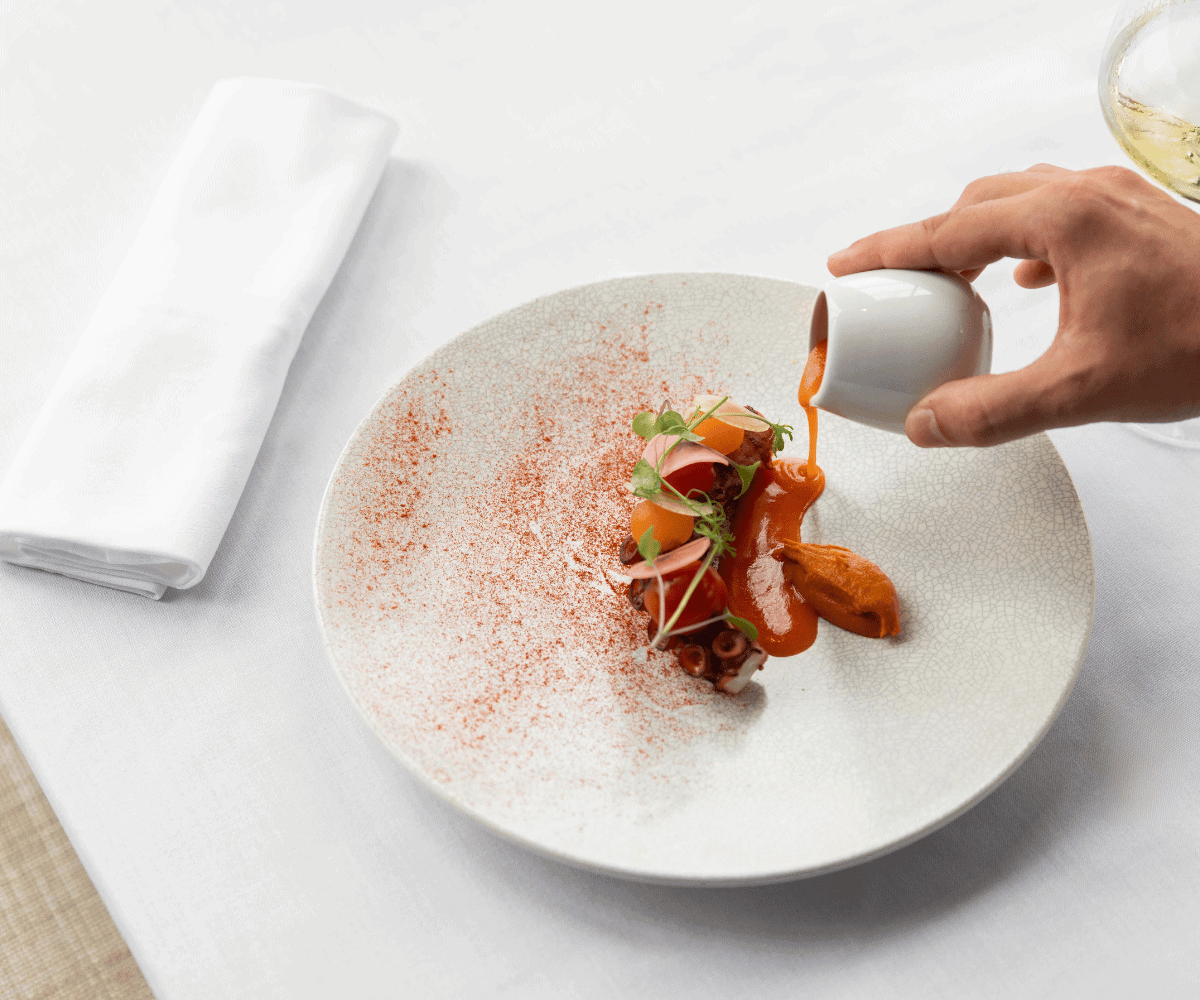
Tala, in Auckland, became the first Samoan restaurant anywhere on earth to receive a Michelin star. Chef Henry Onesemo talked afterwards about putting Samoa on the world stage: “We have always believed that Samoa deserves a place on the international culinary stage and Michelin agrees!”
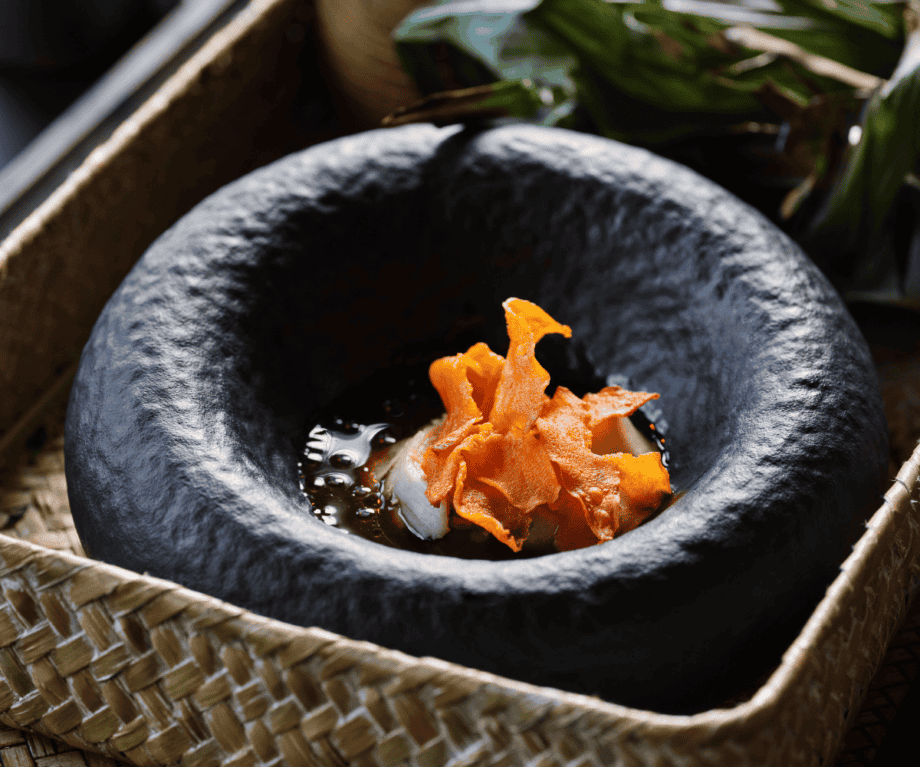
Reading that, I didn’t feel like I was reading about one restaurant’s win. Pacific food, cooked without adaptation, had just been recognised, and it belongs at the same table as anywhere in Paris or Copenhagen. That’s not a small thing. It also happens to be a very New Zealand thing.
We don’t have one food identity, what we have instead is a beautiful Māori tradition running beneath everything, an understanding of land, sea, and season that goes back further than anyone can properly date. European settlers layered their own habits on top of that. Then came the Pacific, then Asia, then half the world, each wave settling in. I recognise that nobody planned it. It just happened. What’s left on a menu historically is basically a record of who has lived here.
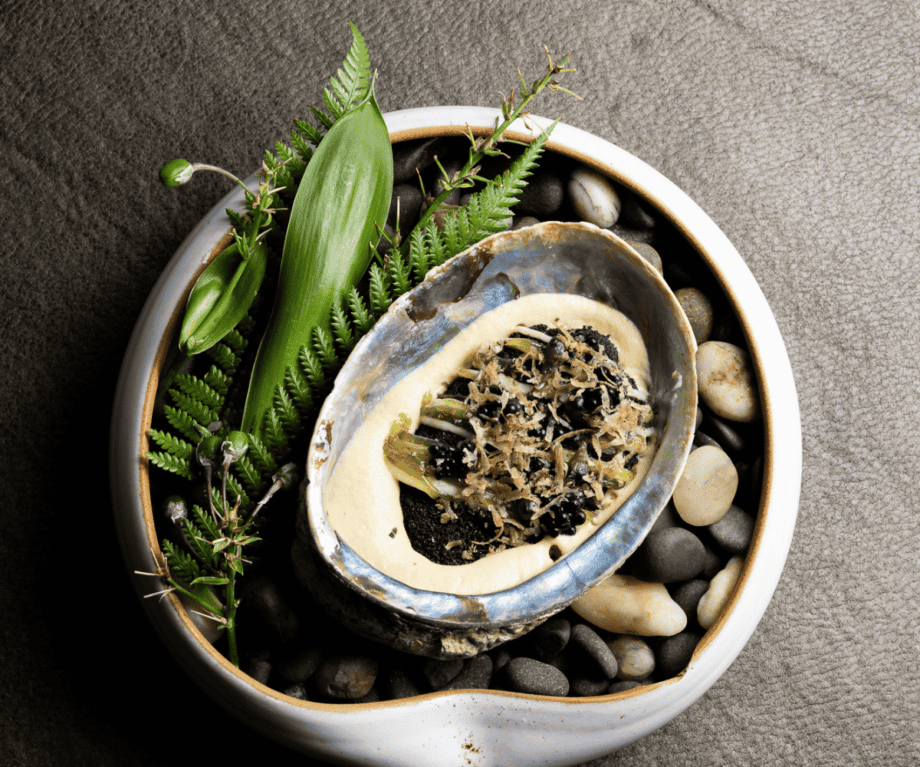
I had a couple travelling with us a few months back who put it better than I could. One night they were up above Lake Wakatipu working through a tasting menu built entirely around the season at Essence which sits on a hillside above the Lake. It’s one of the standout restaurants in the guide as the only Two Star in New Zealand. Chef Paul Froggatt runs it and he builds the tasting menu around what’s in season rather than a fixed menu format.
Four days later the same couple were in Auckland eating Pacific food they’d never encountered in their lives. Nothing about those two meals should have belonged in the same trip. By the end, it made complete sense to them because both meals were simply telling the truth about where they were.
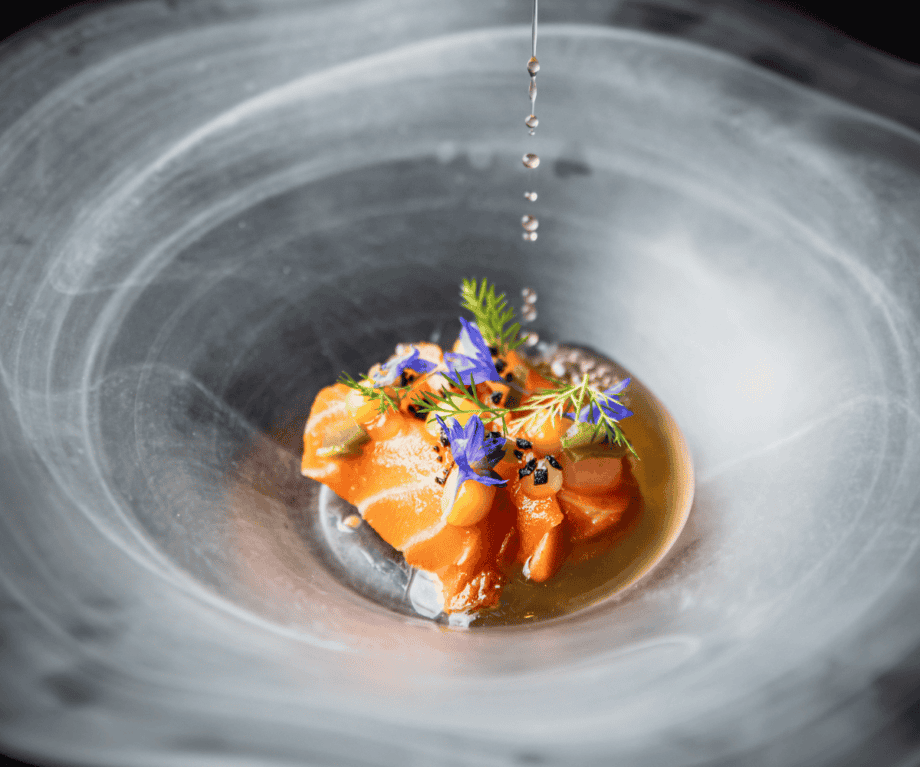
I’ve never really thought of our restaurants as destinations in their own right. A dinner above Wakatipu tastes like something different after a day out in Central Otago. Lunch on Waiheke means more once you’ve already walked a vineyard that morning and looked back across the gulf. Marlborough seafood sits differently once you’ve been out on the Sounds and seen exactly where it came from. By the time anyone sits down to eat, the day is already on the plate.
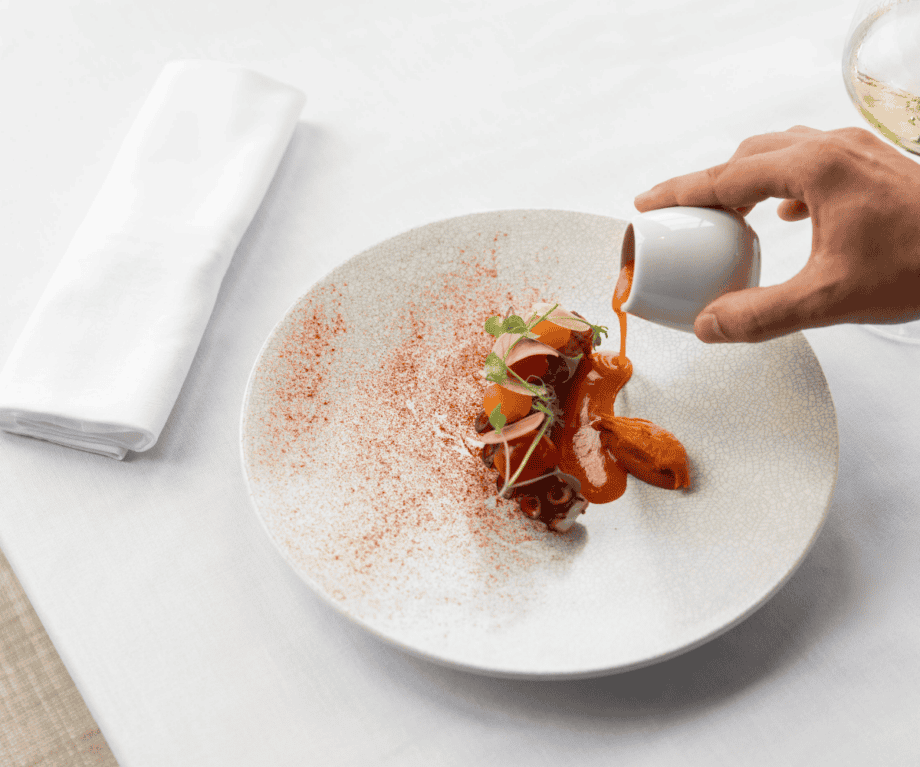
Rene de Monchy at Tourism New Zealand said something after the Michelin announcement that stuck with me. He talked about our chefs cooking from where they actually live, rather than trying to recreate someone else’s idea of fine dining.
It’s a simple line, but it identifies something guests feel. I hear it from them afterwards, in bits and pieces. They love that the vineyard owner came over and ended up telling them the whole story of that season’s harvest. Or learning why a Bluff oyster doesn’t taste like an oyster from anywhere else. Or even a chef explaining, almost in passing, how a native ingredient found its way back onto a plate after being forgotten for a generation. Although guests often lead with how delicious the food is, they also describe how a good meal tends to gather up everything that happened that day and hand it back to you at the table.
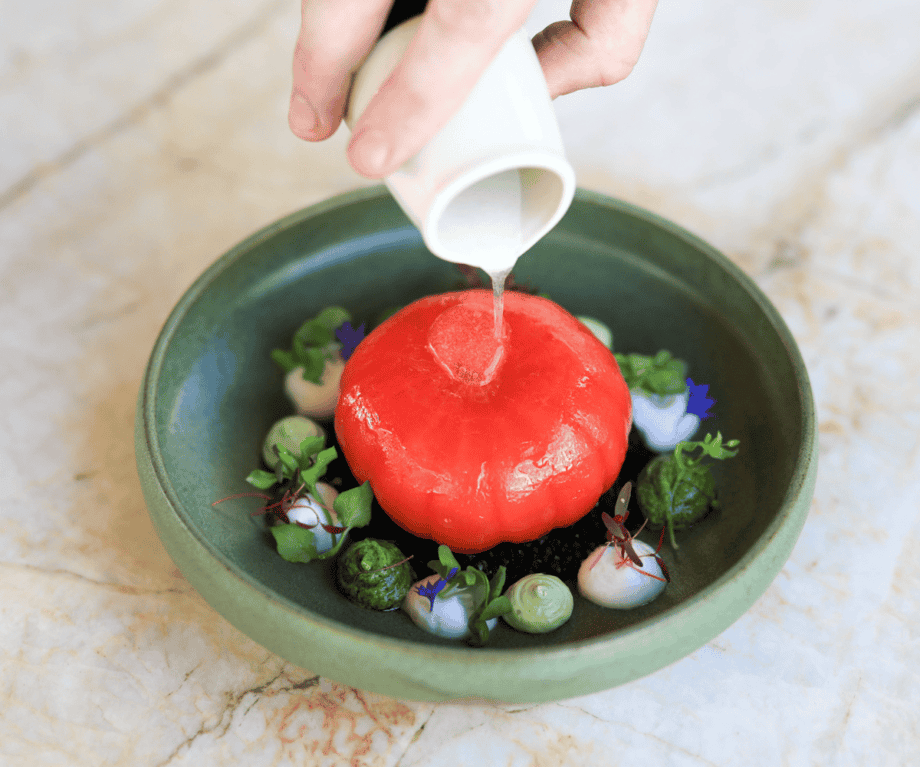
Michelin will bring more people here to eat, and that is beyond good. Our chefs, our growers, our producers and our front-of-house teams have earned every bit of it.
What I’ve enjoyed most, honestly, is watching the rest of the world catch up to something we’ve known for years. Our food was never trying to be anyone else’s. So, when a guest asks me where they should eat, I still don’t start with a restaurant name; I ask where they’re headed, and the rest tends to follow from there.

Veronika Vermeulen
Veronika Vermeulen is Director of Aroha New Zealand Tours Ltd. Aroha New Zealand Tours Ltd. has been offering 100% tailored journeys and private guided luxury experiences in New Zealand since 2000.
Did you enjoy this article?
Receive similar content direct to your inbox.

Nicely sums up what makes New Zealand food so special . It doesn’t need to fit into a single definition. Great cuisine reflects the people, landscapes and cultures that shape a country.
“The day is already on the plate” is such a poetic way to describe the link between travel and food.
Tala’s Michelin star feels like such an important culinary moment, not just for New Zealand but for Pacific cuisine more broadly.
It’s always encouraging to see recognition of food done well that stays close to its roots.
The contrast between dining above Lake Wakatipu and discovering Pacific food in Auckland sounds like the perfect example of why food is such an important part of travelling.
This post makes me want to plan a New Zealand trip around the food. The combination of Māori traditions, Pacific influences, local produce and incredible landscapes sounds unforgettable.
“Cooking from where they actually live” really sums it up. The best food often seems to come from a genuine sense of place rather than trying to imitate somewhere else.
I’d never thought about New Zealand’s lack of a single, instantly recognisable cuisine as a strength, but this completely changes that perspective. Diversity can be good too.
Also the image of a meal gathering up everything you experienced that day and handing it back to you at the table really does appeal.