
The other side of Luxor: Places most visitors miss

Ask someone what’s on their Luxor list, and I can usually guess before they finish the sentence. Karnak. Luxor Temple. The Valley of the Kings. Maybe the Valley of the Queens if they’ve done their homework. And look, I’d never talk anyone out of seeing those. They’re extraordinary, and for a first-timer they’re basically the front door to this ancient city. But here’s what I keep telling people as we plan their days: don’t rush off the West Bank the moment you’ve ticked the big names.
There’s another Luxor underneath the famous one. A handful of places where, instead of chasing a schedule, you actually get to stand still and look.
Medinet Habu
Honestly? This one doesn’t get nearly the credit it deserves.
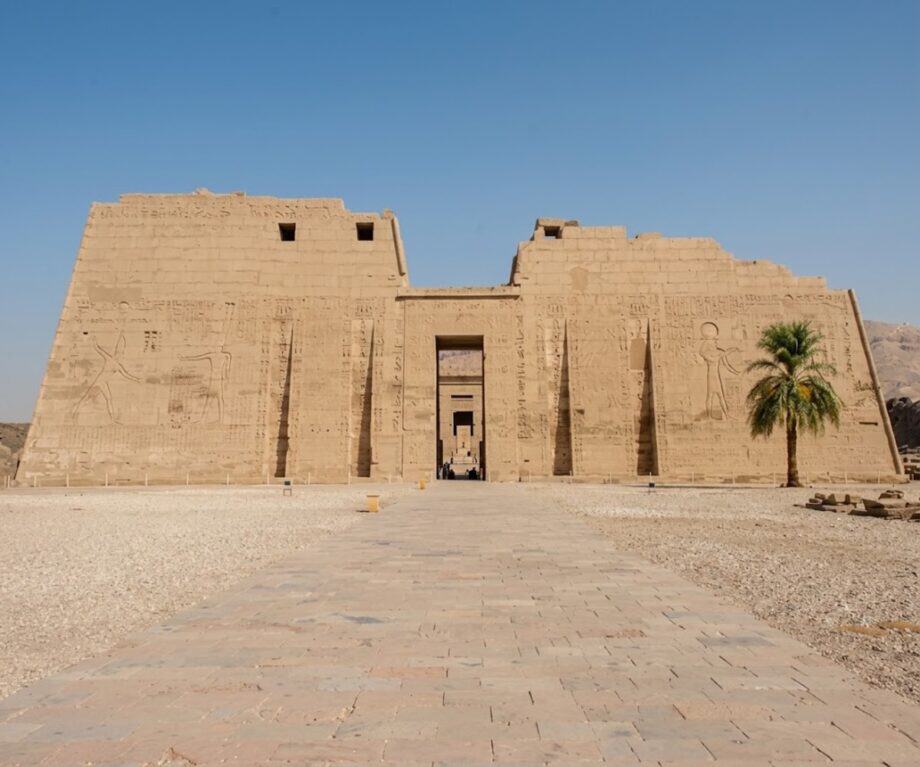
It’s the mortuary temple of Ramesses III, and while it’s nowhere near as well-known as Karnak, I’d put it high on the list for anyone staying more than a day or two. What gets me is the atmosphere. You’re not shuffling along with the crowds. You can actually linger over the reliefs, and there’s so much carved into these walls that a quick glance barely scratches the surface. It also reframes how you think about the pharaohs, how deliberately they staged their own legacy.
I’ve noticed this works especially well for people who’ve already done Karnak that morning. By then they have a feel for what an Egyptian temple is, so they start noticing the differences instead of just registering “another big monument.”
Deir El-Medina
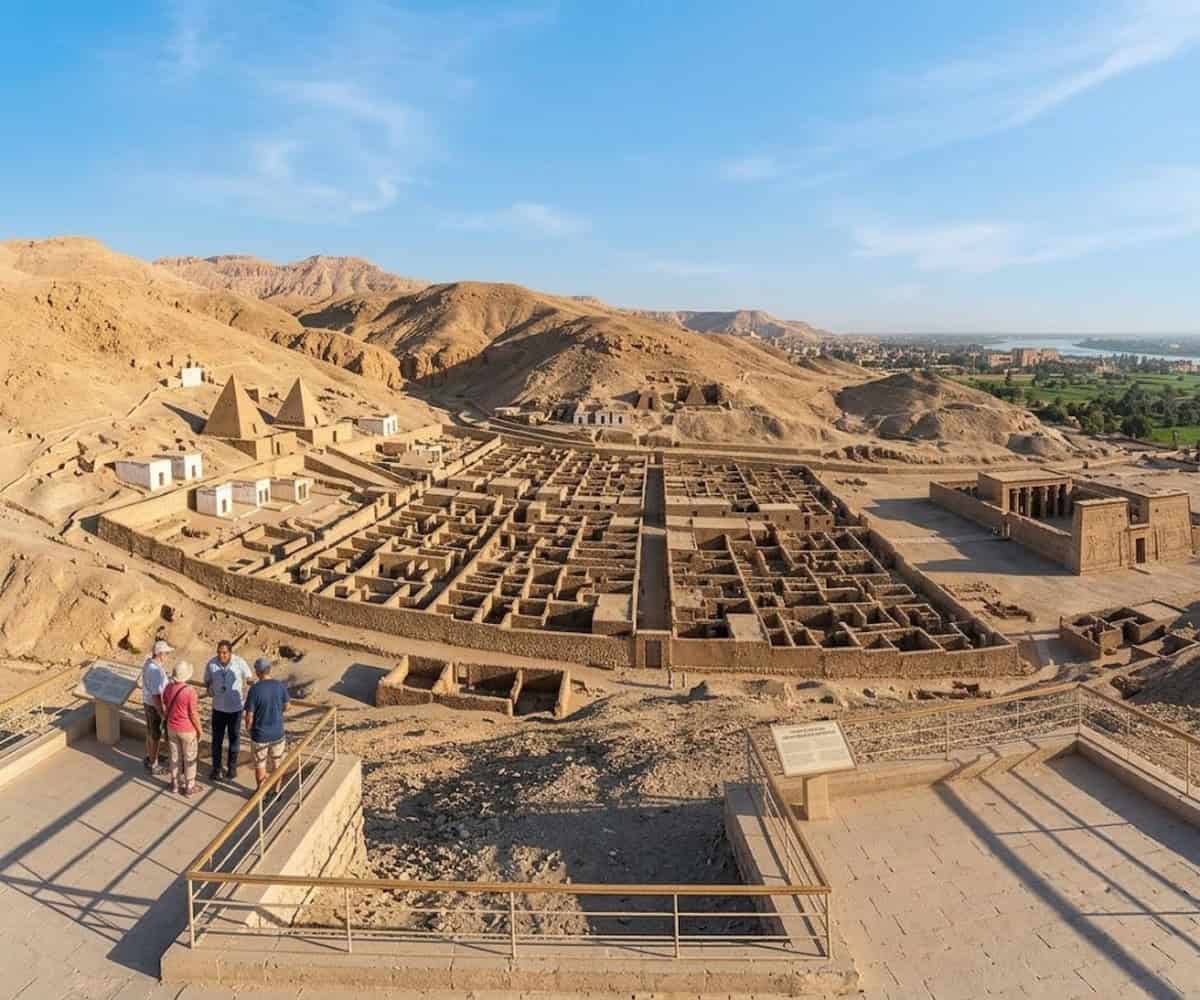
Deir el-Medina hits me differently, and for a very different reason. This was a village of craftsmen, the people who actually carved and painted many of the tombs in the Valley of the Kings. Once you know that, you can’t unknow it.
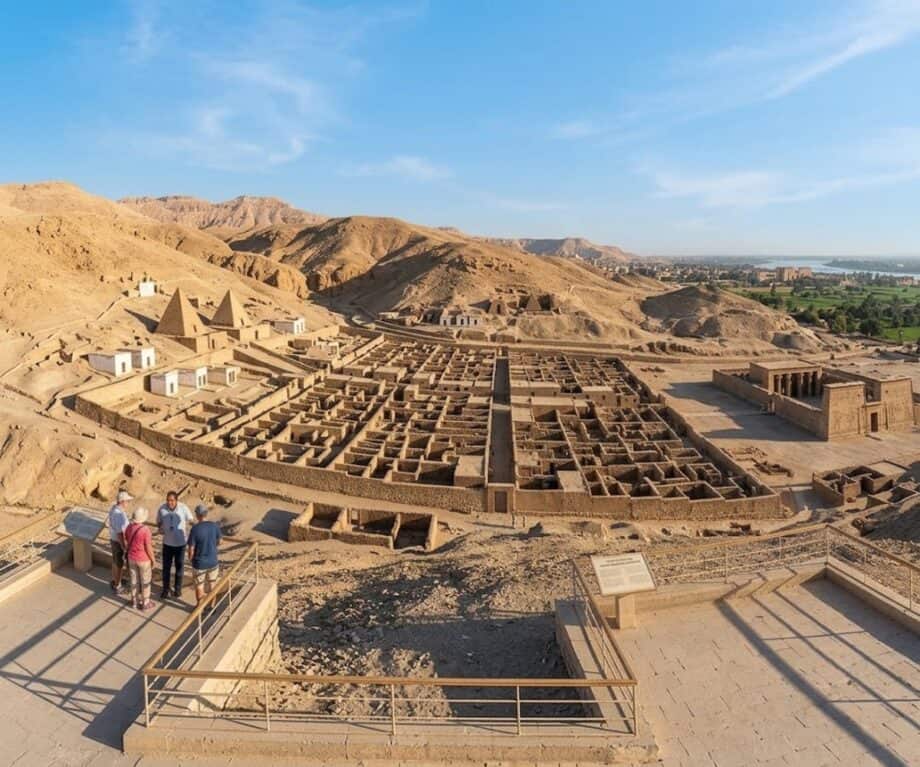
Stand inside one of those glowing, painted royal tombs and it’s easy to think only about the king buried there. Walk through Deir el-Medina afterward, and suddenly you’re thinking about the hands that made it, the artists, not just the pharaoh.
There’s something quietly human about the place. You’re looking at a real community, not just a monument built for a king.
For travelers who’ve already worked through a few temples, it’s a genuine change of pace.
The Tombs of the Nobles
Then there are the Tombs of the Nobles, which sit apart from the royal tombs in an important way.
The scenes here aren’t about a pharaoh’s journey into the afterlife , they’re about daily life. Farming, feasting, work, family. You start piecing together what ordinary existence actually looked like, rather than following a king toward eternity.
I’ve always thought these smaller tombs reward the kind of traveler who’s curious about ancient Egypt beyond its monuments.
They’re not trying to out-do Karnak. They’re doing something else entirely which, really, is the whole point of wandering off the main route.
Everything you need to plan your trip in 2026
🌟 Luxury hotel deals from Booking
🏡 Vacation rentals from VRBO
✈️ Flights from KIWI
🛫 Private jets from Private Jet Finder
🅿️ Airport parking from ParkVia
🛋️ Airport lounges from Priority Pass
🚖 Airport taxis from Welcome Pickups
🚗 Car rentals from Discover Cars
🚐 Luxury RV rentals from RVshare
🚢 Cruises from Cruise Direct
🛥️ Ferries from Direct Ferries
🎫 Attractions tickets from Tiqets
🏞️ Tours from Viator or GetYourGuide
🛡️ Travel insurance from Safety Wing
🏥 Medical insurance from World Nomads
🧳 Luggage from Case Luggage
🛅 Luggage storage from Stasher
📚 Travel guides from Lonely Planet
📕 eBooks from Kindle Unlimited
🎧 Audiobooks from Audible
🎬 Movies from Prime Video UK
🎵 Music from Amazon Music UK
💶 Travel currency from Wise
📱 SIMs from SimOptions
🌐 VPNs from ExpressVPN or NordVPN
🛂 Visas from iVisa
Carter House
Carter House is a smaller stop, but a good one, especially if the Tutankhamun story has any hold on you.
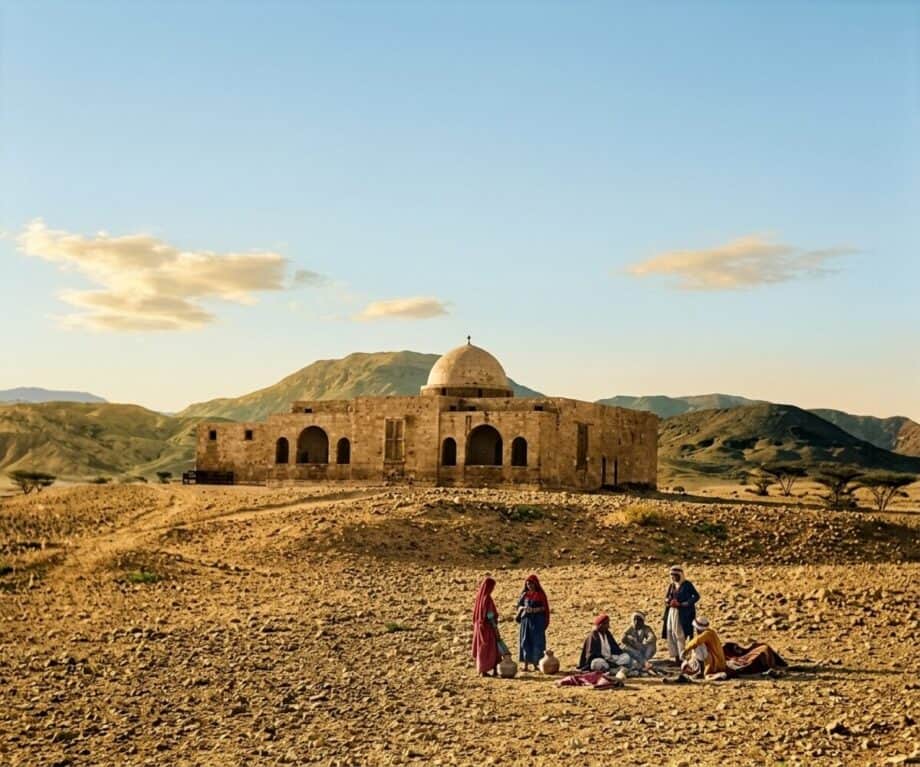
Everyone knows the name Howard Carter. Almost nobody has seen where he actually lived and worked.
Coming here right after the Valley of the Kings does something interesting: you’ve just spent the morning in a 3,000-year-old burial ground, and now you’re thinking about a very recent chapter, a man, a dig site, years of patient, unglamorous searching.
It shrinks the distance a little. Ancient Egypt can start to feel almost unreal, too far away to properly picture. Places tied to its rediscovery bring it back down to something graspable.
The Ramesseum
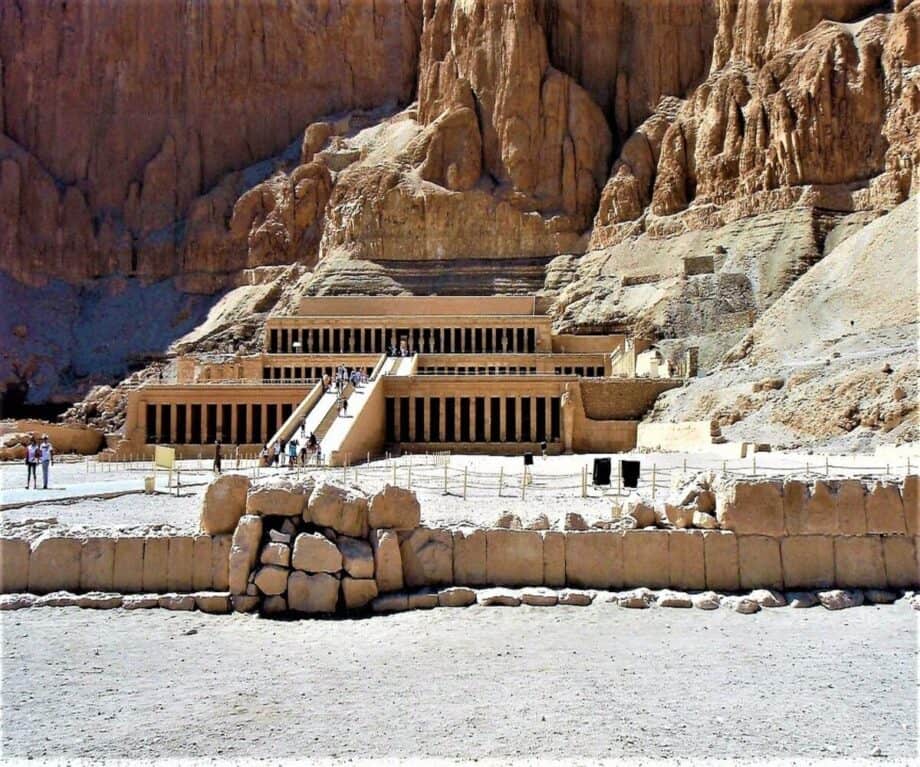
The Ramesseum is easy to leave off a first itinerary, and I get why. It’s the mortuary temple of Ramesses II, and time hasn’t been kind to it, a lot of it is fragments now. But I don’t think that’s really a downside.
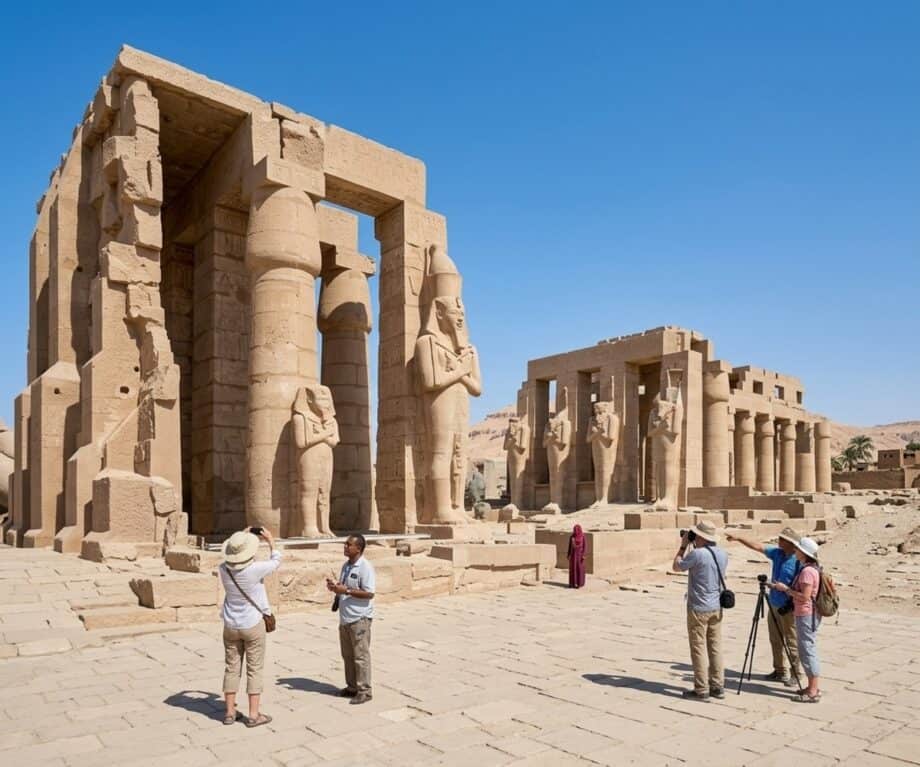
There’s something compelling about standing among broken columns and toppled statues and trying to reconstruct, in your head, what this looked like when it was whole.
You feel the scale even in the ruin. And it’s a good reminder that Luxor isn’t one site, or even five. It’s layer on layer of history, scattered across a whole landscape.
So should you skip the famous sites?
No. Not at all. If it’s your first trip to Luxor, Karnak, Luxor Temple, and the Valley of the Kings still belong right at the top. The Valley of the Queens too, if it suits what you’re after.
What I’d push back on is the assumption that those alone are “enough.” Luxor gives more back the longer you stay with it. If you’ve got an extra day, or even a free afternoon, that’s when the overlooked places start to earn their keep. Suddenly the trip stops feeling like a checklist of famous ruins and starts feeling like an actual place with an actual history.
That’s exactly the kind of thing I love building into a private itinerary. Private travel gives you room to breathe. You’re not obligated to sprint from one headline site to the next just because that’s how the group tour does it. You can stay longer somewhere that’s caught your interest. You can add a site nobody else on a bus tour would bother with. You can also just decide you’ve had enough temples for one morning and shift gears. That flexibility, to me, is the real advantage of seeing Egypt privately.
Luxor rewards patience
The mistake I see most often? Trying to cram in too much. I get it . Egypt is a long trip for a lot of people, and there’s a real pull to see everything while you’re here. But in Luxor, more stops doesn’t necessarily mean more experience. Sometimes it’s better to see less, properly.
Go to Karnak and actually let yourself stare up at the columns for a minute. Walk the Valley of the Kings without already thinking about the next stop. Then, if you’ve got the time, go somewhere quieter. Medinet Habu. Deir el-Medina. The Tombs of the Nobles. Carter House. The Ramesseum. Chances are, one of these ends up being the part of the trip you talk about most when you get home. It happens more often than people expect.
The famous monuments are why most people come to Luxor. The quieter ones are often why they leave feeling like they actually found it. After years of doing this work, I’ve come to trust that distinction. Luxor doesn’t need to be rushed. It needs to be given time.

Sherif Khalil
Sherif Khalil is the Chairman and Founder of Dunes & Beyond. Dunes & Beyond is a travel company that provides luxury tours, where tourists experience excitement and thrills, but with a ‘five star’ attitude, with a focus on Egypt as well as Jordan, Sudan and Morocco. If you would like to be a guest blogger on A Luxury Travel Blog in order to raise your profile, please contact us.
Did you enjoy this article?
Receive similar content direct to your inbox.


Medinet Habu sounds like exactly the kind of place I’d want to add to my list, probably close to the top, after seeing the major sites. I always want enough time to slow down and actually study the reliefs rather than racing around.
I second your opinion. Habu Temple is one of the highlights that you should not miss.
Sherif Khalil
Managing Partner
Dunes & Beyond Travel in Egypt
Yep, we missed out on The Ramesseum and now I’ve seen that picture, I’m regretting it!
There is always a second chance, hope you can visit it soon.
Sherif Khalil
Managing Partner
Dunes & Beyond Travel Egypt & Jordan
The section on Deir el-Medina was thought-provoking for me. Thinking about the craftsmen behind the famous tombs gives ancient Egypt a completely different perspective. It’s fascinating to shift the focus from the pharaohs to the people who actually created so much of what we admire today.
Yes, totally agree with you.
Sherif Khalil
Managing Partner
Dunes & Beyond Travel Egypt & Jordan
Wish I’d known about Carter House when I visited last year.
Then you should make another visit, there are many hidden gems in Egypt.
Sherif Khalil
Managing Partner
Dunes & Beyond Travel Egypt & Jordan
I really enjoyed this! It’s nice to see a side of Luxor that goes beyond the usual tourist attractions. Some of these lesser-known places sound like they’d be great to explore at a slower pace and get a better feel for the city. Definitely gave me a few ideas for a future trip.
Would love to host you whenever you decide to discover the hidden Gems of Egypt & Jordan.
Sherif Khalil
Managing Partner
Dunes & Beyond Travel Egypt & Jordan
Although I’ve travelled a lot and been to both Cairo and Hurghada I’ve yet to visit Luxor. You’ve shown me what I’m missing out on.
Would be our pleasure to organize your trip whenever you decide to discover more about Egypt
Sherif Khalil
Managing Partner
Dunes & Beyond Travel Egypt & Jordan
Experienced travellers know that travel is better when you leave some room for spontaneity and you’re not tied too closely to a plan.
Having an extra afternoon or even an extra day in Luxor and using it to explore somewhere quieter sounds much more sensible than trying to squeeze in yet another famous landmark.
There are always hidden gems in Egypt that worth spending more time or visiting Egypt several times with a new itinerary every time.
Sherif Khalil
Managing Partner
Dunes & Beyond Travel Egypt & Jordan
Thank you so much for all the effort you put into this. It’s truly appreciated!
“Places most visitors miss”. I’m sure you could also use this title for Cairo and Alexandria too. In fact, it could be the inspiration for many an A Luxury Travel Blog post.
Keep following us and we will surprise you with more hidden gems of Egypt
Sherif Khalil
Managing Partner
Dunes & Beyond Travel Egypt & Jordan
What I hated about history at school was that it was all about the top tiers of countries. This post about the Tombs of the Nobles showing everyday life rather than concentrating entirely on royalty would interest me.
It seems like such an important part of understanding ancient Egypt. Farming, family, work and celebrations probably tell us just as much about a civilization as its enormous temples do.
Egypt History is full of stories and all of our trips are led by certified Egyptologist so that they can professionally reflect the glory of Egyptian Ancient History.
Sherif Khalil
Managing Partner
Dunes & Beyond Travel Egypt & Jordan
This post is a useful reminder that the most famous attractions aren’t always the ones that leave the strongest memories. I can imagine visiting Karnak and the Valley of the Kings and then discovering somewhere quieter like Deir el-Medina, where there’s more time to absorb what you’re actually seeing.
There are always more to be visited in Egypt rather than the famous highlights, we focus on our itineraries on the hidden part of Egyptian History.
Sherif Khalil
Managing Partner
Dunes & Beyond Travel Egypt & Jordan