
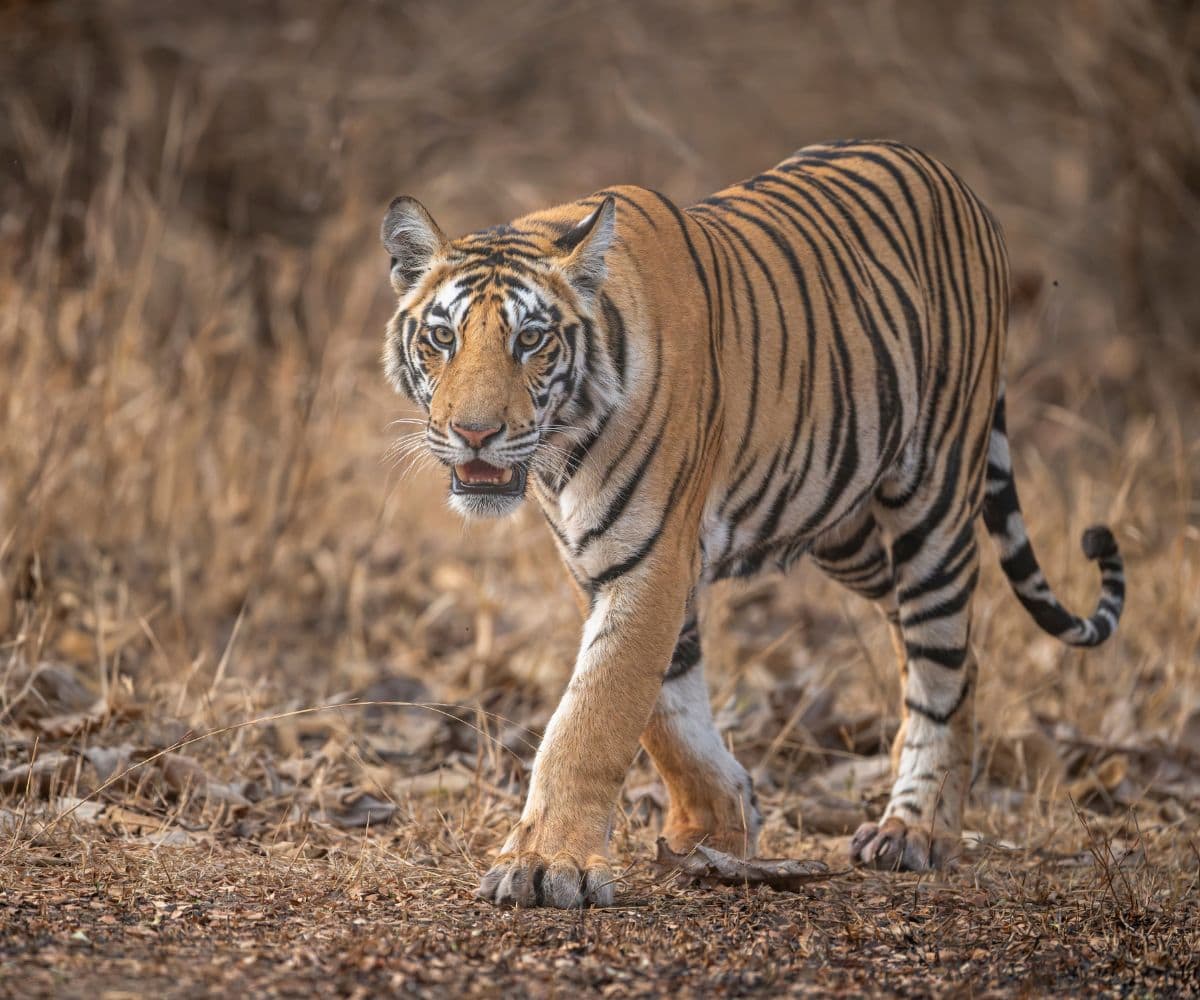
Beyond Ranthambore: Quieter wildlife experiences in India

Ask anyone who knows me and they’ll tell you, I love Ranthambore. I first went in 2010 to stay at Khem Villas, a small camp on the edge of the park started by Usha and Goverdhan Singh Rathore. Goverdhan is the son of Fateh Singh Rathore, the conservationist who did so much to put Ranthambore on the tiger map, and the camp is closely associated with Tiger Watch, the conservation charity he founded in the 1990s. Being able to walk the grounds with a naturalist and see jackals, jungle cats and hyenas, with plenty of birds alongside, made for a fantastic few days there (the tiger sightings also helped make it a particularly memorable trip). Because it was the end of season, we almost had the park to ourselves.
There are other hotels in Ranthambhore I’m just as happy to recommend. Sher Bagh is a luxury tented camp on the edge of the park, with canvas tents inspired by the 1920s. Aman-i-Khas is an indulgent option, close to the park, with tents that echo Mughal pavilions. But Ranthambore is also the park everyone has heard of now, which means it’s the one everyone is planning around. We like to look at the alternatives, especially when wildlife is the focus of a trip. In fact, some of our favourite wildlife experiences in India are in places that rarely make the shortlist, from walking safaris and leopard country to a river full of crocodiles. This is a guide to just a few alternative options you may never have heard of but which should certainly be on your Indian wildlife wish list.
When to go
The core zones of India’s tiger reserves close for the monsoon and most reopen at the start of October. This year, Ranthambore’s Zones 1 to 5, Sariska and Tadoba reopen on 1st October. In Madhya Pradesh, dates differ between parks and change from year to year – this year that’s set to be the 1st October, though it’s worth confirming with your India specialist who will have the most up to date information. Suján Jawai opens in late September, the Chambal river safaris run from around October to April, and Dudhwa in Uttar Pradesh usually opens in November.
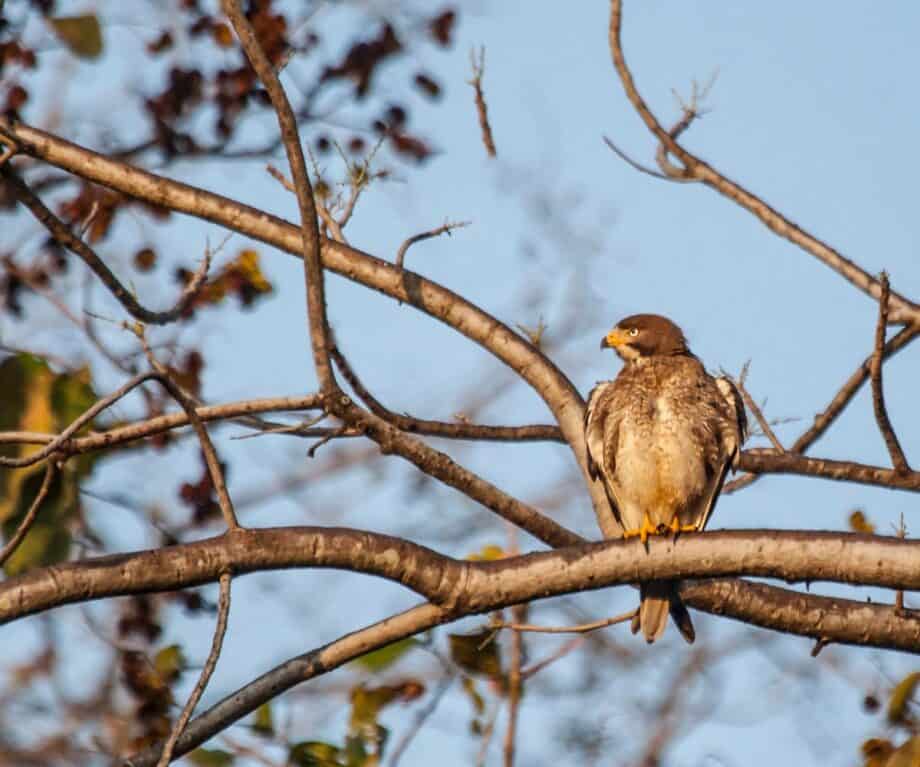
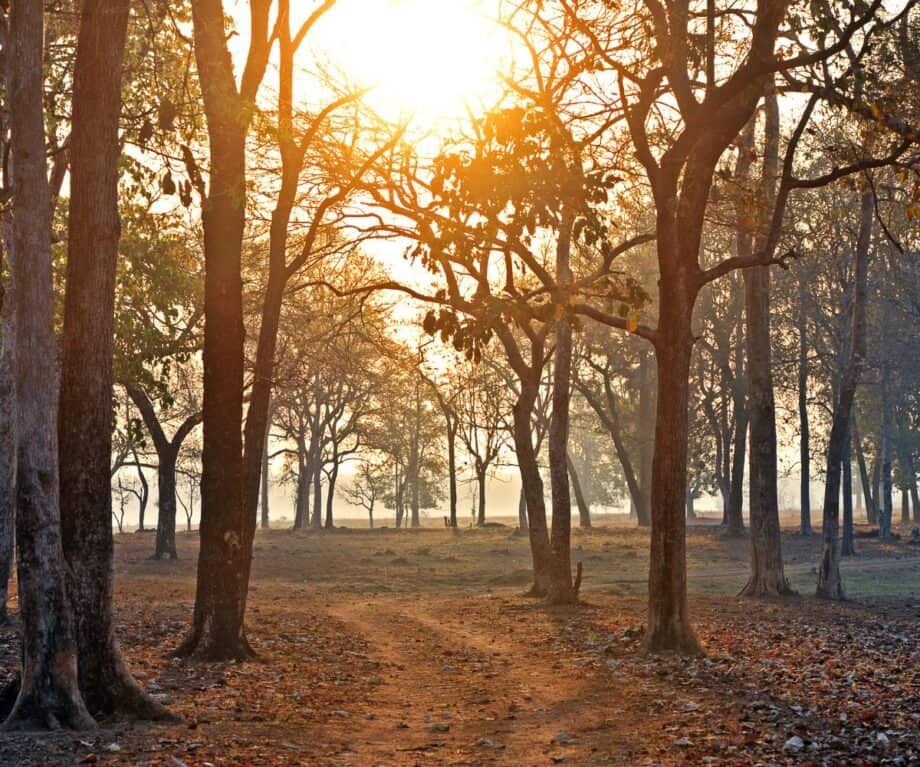
October and November are beautiful months, with green forest, water everywhere and superb birdlife. The honest trade-off is that the vegetation is thick after the rains and animals are spread across the forest, so tigers are harder to find than in the dry months. Dry season sightings are best from around March to June, though the temperatures are also a lot higher, but if a tiger is the main reason for your trip, later in the season may suit you better. If you want landscape, birds and the feel of a wild place, a quieter park is a lovely way to start.
Satpura: The park where you walk
If I could pick one alternative to Ranthambore, it would be Satpura. It’s one of the few places in India that lets visitors walk through the buffer zone of the national park, accompanied by a forest guard and a naturalist. You follow a trail on foot through sal, teak and bamboo, learning to read pugmarks and scat as you go, and we’ve had reports of tigers, leopards, sloth bears and other wildlife being spotted here.
While tiger sightings are rarer here than at Bandhavgarh or Kanha – and seeing one on foot is a bonus rather than something to expect – what you gain is a much closer relationship with the forest, in a rugged landscape of folded hills that looks nothing like the flat teak forest most people picture. It suits anyone who has done a classic park or two and wants something different.
Pench: A quiet gate and a camp to match
Pench is smaller and more intimate than its famous neighbours, and it’s often linked with the setting of Kipling’s The Jungle Book. It straddles the Madhya Pradesh and Maharashtra border, and the gate you choose makes a real difference. My pick is Jamtara Wilderness Camp, at the quiet northern Jamtara gate, away from the lodges clustered elsewhere around the park. The tents look out over the forest, and the camp can arrange nights sleeping out on raised machaan platforms on nearby farms, set up so that the farmers earn most of the income from the stay.
Everything you need to plan your trip in 2026
🌟 Luxury hotel deals from Booking
🏡 Vacation rentals from VRBO
✈️ Flights from KIWI
🛫 Private jets from Private Jet Finder
🅿️ Airport parking from ParkVia
🛋️ Airport lounges from Priority Pass
🚖 Airport taxis from Welcome Pickups
🚗 Car rentals from Discover Cars
🚐 Luxury RV rentals from RVshare
🚢 Cruises from Cruise Direct
🛥️ Ferries from Direct Ferries
🎫 Attractions tickets from Tiqets
🏞️ Tours from Viator or GetYourGuide
🛡️ Travel insurance from Safety Wing
🏥 Medical insurance from World Nomads
🧳 Luggage from Case Luggage
🛅 Luggage storage from Stasher
📚 Travel guides from Lonely Planet
📕 eBooks from Kindle Unlimited
🎧 Audiobooks from Audible
🎬 Movies from Prime Video UK
🎵 Music from Amazon Music UK
💶 Travel currency from Wise
📱 SIMs from SimOptions
🌐 VPNs from ExpressVPN or NordVPN
🛂 Visas from iVisa
Panna: A conservation comeback
Panna lost its tigers to poaching by 2009, and what has happened since is one of the most hopeful stories in Indian conservation. A carefully monitored reintroduction programme has rebuilt a breeding population. The scenery is part of the appeal too. The Ken river runs through rocky gorges, and the reserve includes the Pandav and Raneh waterfalls, which gives the park a wilder, more dramatic look than the flat forest of some of its neighbours. It has the added bonus of being relatively easy to reach. The Madla gate, where most of the lodges are, is about half an hour from Khajuraho, which has flights from Delhi, so Panna pairs naturally with a visit to the famous temples.
Sariska: Tigers and an easy drive from Jaipur
Sariska is the one park on this list you can fit around a Jaipur stay without rearranging everything. It’s around 110km from the city, roughly two and a half hours by road, so it works as a short stop on the way to or from Delhi rather than a journey in its own right.
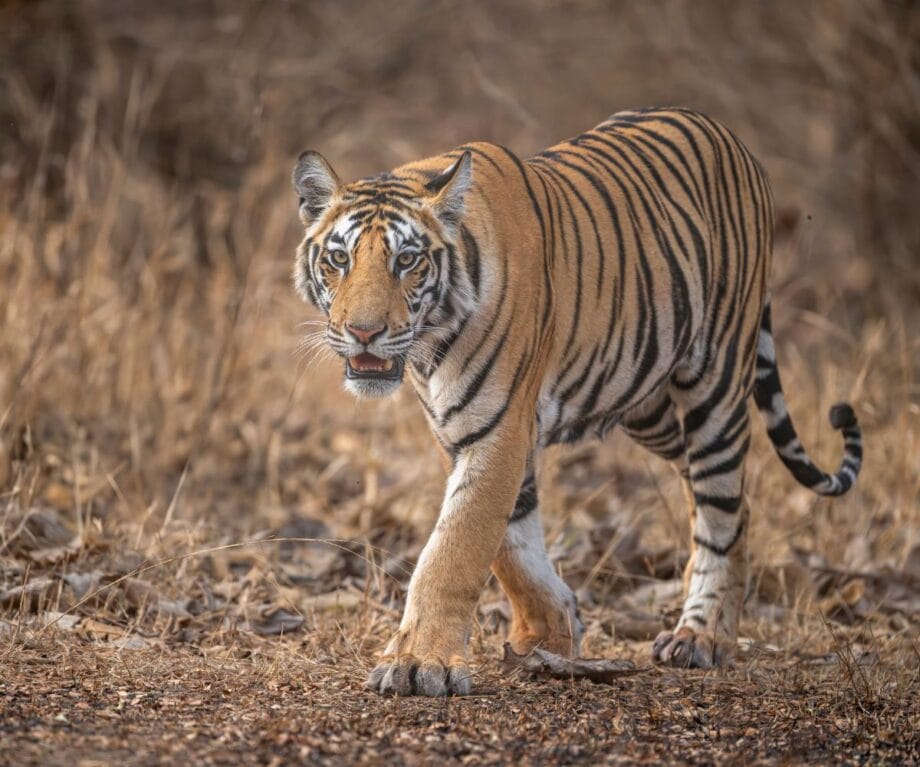
The landscape is dry and rocky, tucked into the folds of the Aravalli hills, with scrubby forest, the ruins of the Kankwadi fort on a hilltop, and 9th and 10th century temples scattered through the reserve. Poaching had emptied it of tigers by 2004, and in 2008 two were brought in from Ranthambore, widely described as the first scientific tiger reintroduction anywhere in the world. The first cubs were born in 2012. While Sariska still combines well with the palaces and forts of Rajasthan, it’s far less visited than Ranthambore so offers a quieter wildlife experience.
My pick for a stay is Utsav Camp, around 7km from one of the park gates, in a landscape of huge boulders and forest. It has villas, bungalows and stone cabins, and organises walks and drives around the surrounding hills – if you’re lucky, you might spot leopards lounging on the bungalows, so keep your eyes peeled! What I particularly love about this property is that most of its team come from nearby villages, providing local employment.
Chambal: Crocodiles, dolphins and birds on the river
Chambal isn’t about tigers at all, and I’d say that’s part of its appeal. The National Chambal Sanctuary protects a stretch of river of about 400km, which flows through Uttar Pradesh, Madhya Pradesh and Rajasthan, and it was created largely to protect the gharial, a critically endangered crocodile with a long, slender snout that is found only on the subcontinent. When poaching and fishing almost wiped gharials out in the 1970s, the Chambal was chosen as one of the places to bring them back. The river also shelters Ganges river dolphins, several species of turtle, and counts Indian skimmers among its birds.
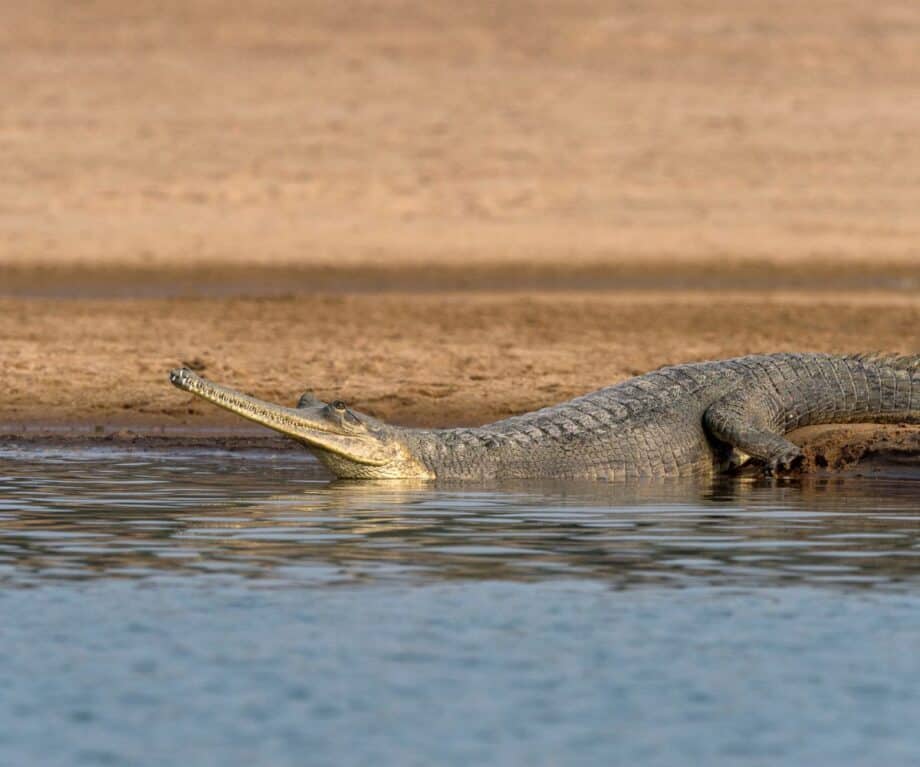
You explore it by boat, usually in the early morning or late afternoon, drifting past sandbars, ravines and riverbanks where gharials and mugger crocodiles bask in the sun. Dolphins take more luck, but the birdlife is excellent, especially in the cooler months. It’s roughly 70 to 85km from Agra, so it works as a day out from the city but I’d actually recommend it as an alternative to staying in Agra altogether. Just pop by and see the Taj Mahal en route then head out to the countryside for a quieter base.
Jawai: Leopards among the granite hills
Jawai isn’t about tigers either, though big cats are certainly on the list. It lies in Rajasthan’s Pali district, roughly midway between Udaipur and Jodhpur, in a landscape of bare granite hills and giant boulders where leopards live alongside local villages. The Rabari, semi-nomadic herders who have grazed these hills for generations, make a particularly eye-catching sight as they stroll along the dusty roads and I came back with a camera full of photos. Safaris run in the early morning and late afternoon and while sightings are never guaranteed, the open terrain makes them far easier than in dense forest.
Of course, there’s more to do than watch for leopards. Crocodiles bask on the banks of Jawai Dam, wetland birds are at their liveliest at dawn, and a short (about half an hour) but steep climb up the granite outcrop known as Kala Pahad, rewards you with views over the whole landscape.
The camp I’d send you to is Suján Jawai. With just ten tents among the granite hills, it’s run by the same family as Sher Bagh at Ranthambore. It’s roughly 2.5 to 3 hours from Jodhpur or Udaipur, so it slots neatly between the two cities and makes a lovely contrast to the palaces and forts of the bustling cities.
Dudhwa: Tigers, rhinos and swamp deer
Dudhwa is a very different side of India as it lies in Uttar Pradesh, close to the Nepal border, where sal forest meets tall grassland and wetland. Alongside tigers and leopards, you’ll find swamp deer, one-horned rhinos that have been reintroduced and now number around eight roaming freely, Gharials in its rivers, and more than 400 species of birds, including the rare Bengal florican.
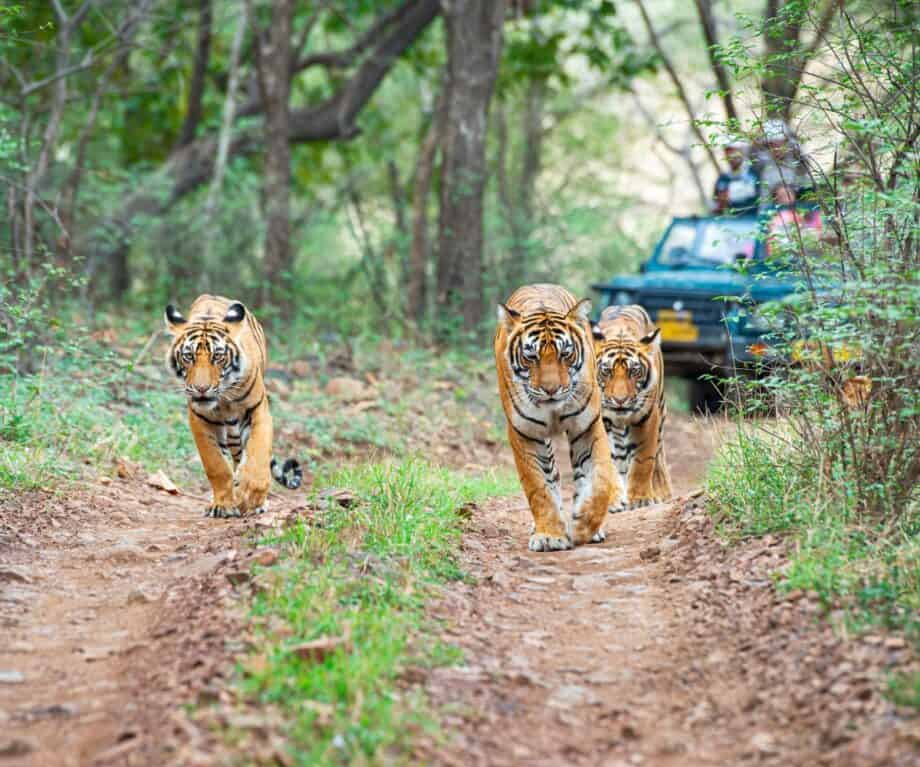
The season usually starts in November, and sightings are generally best from December to April, when the grass is low. It’s around 240km by road from Lucknow, and that distance keeps visitor numbers low. Cherylle, our India specialist, stayed at Jaagir Manor – a restored colonial-era hunting lodge, now a luxury wilderness retreat – as part of a wider itinerary through Uttar Pradesh and loved Dudhwa. I’d suggest it for a trip later in the season, especially if you love birds as much as big cats.
Choosing the right gate or zone
What many itineraries miss, is that where you enter a park matters as much as which park you choose. In Kanha, the Kisli and Mukki zones have the strongest reputation for tigers. In Bandhavgarh, the Tala zone is best known and its permits go first. In Pench, the quiet Jamtara gate is a very different experience from the busier entrances. In Ranthambore, Zones 1 to 5 around the lakes and fort are the most popular, while Zones 6 to 10 are less visited. Both Ranthambhore and Madhya Pradesh release safari permits 120 days ahead, and the best zones on the best dates can sell out quickly, so speak to a specialist and plan early.

Kate Pook
Kate Pook is the Managing Director of Red Dot Tours. Red Dot Tours creates highly personalised, tailor-made trips that look beyond the well-trodden paths to more immersive, thoughtful and carefully curated experiences in Sri Lanka, India, the Maldives, Bhutan and Nepal. If you would like to be a guest blogger on A Luxury Travel Blog in order to raise your profile, please contact us.
Did you enjoy this article?
Receive similar content direct to your inbox.