What you can only experience in Iceland with a private guide: The winter edition

The storm arrived on day five. A mother and her daughter from New Jersey were staying at a small countryside hotel under the Eyjafjöll mountains, in the south. The other guests had checked out, so they had the place more or less to themselves, and the wind had the rest. Their guide’s verdict on the weather: a baby one.
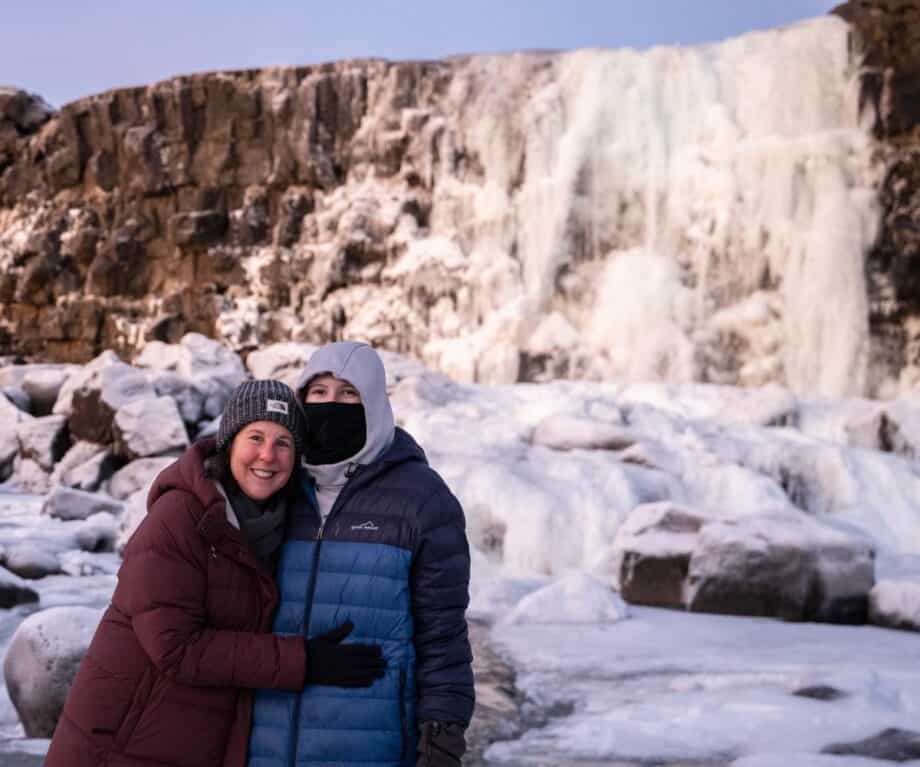
By ten the next morning it had blown through and he was at the door. That exchange is most of what we do at Lilja Tours in winter, if I’m honest. I own the company and we only run private tours, so discount what follows accordingly. But Iceland between November and March is a different country from the summer one, and it’s the season when having one person who knows the island changes most what you actually get to see.
Five hours of daylight, used properly
In early January the sun comes up over the southwest at around eleven and is gone before four. That’s less bleak than it sounds. The twilight on either side is long and blue, and the sun never climbs far, so the whole short day has the low gold light that photographers wait hours for in other countries.
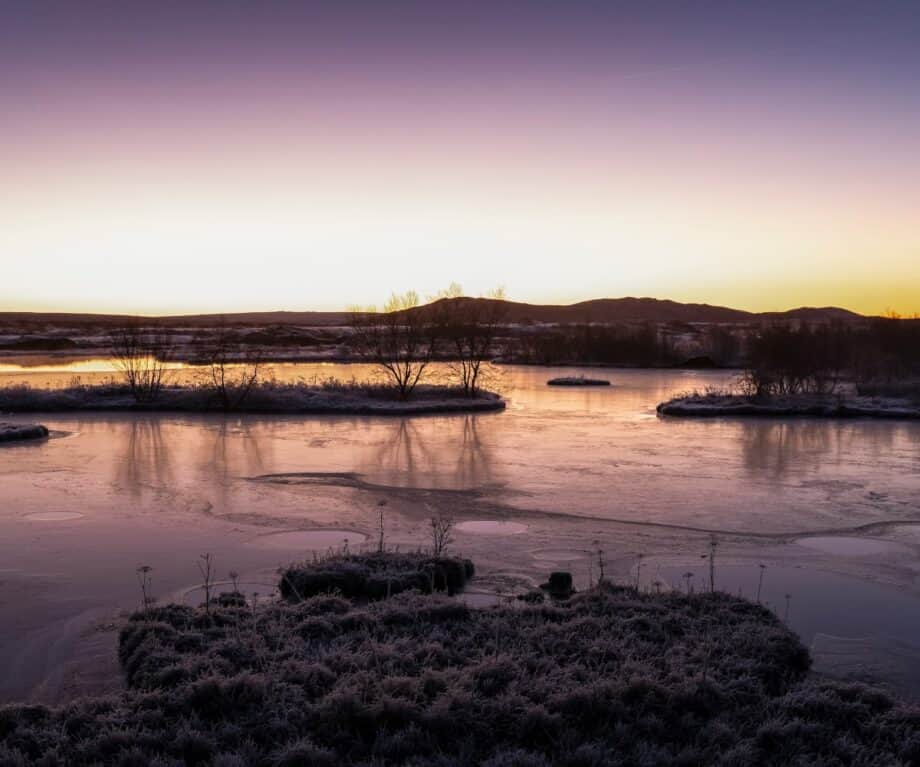
The skill is in spending it. A good winter day is built backwards from the light. The first drive happens in the dark, with coffee, and you step out at Þingvellir as the rift valley is going from blue to pink. You reach Gullfoss, half frozen into its canyon, while the sun is as high as it’s going to get. The long drive home happens after dark again, when there’s nothing left to miss. Do it the other way round and you spend your five hours looking through a windscreen.
There’s a second effect. Short light tends to push most visitors into the same couple of hours at the same stops. A guide who can leave forty minutes earlier, or run the circle in reverse, puts you on the path to Öxarárfoss with very few people on it.
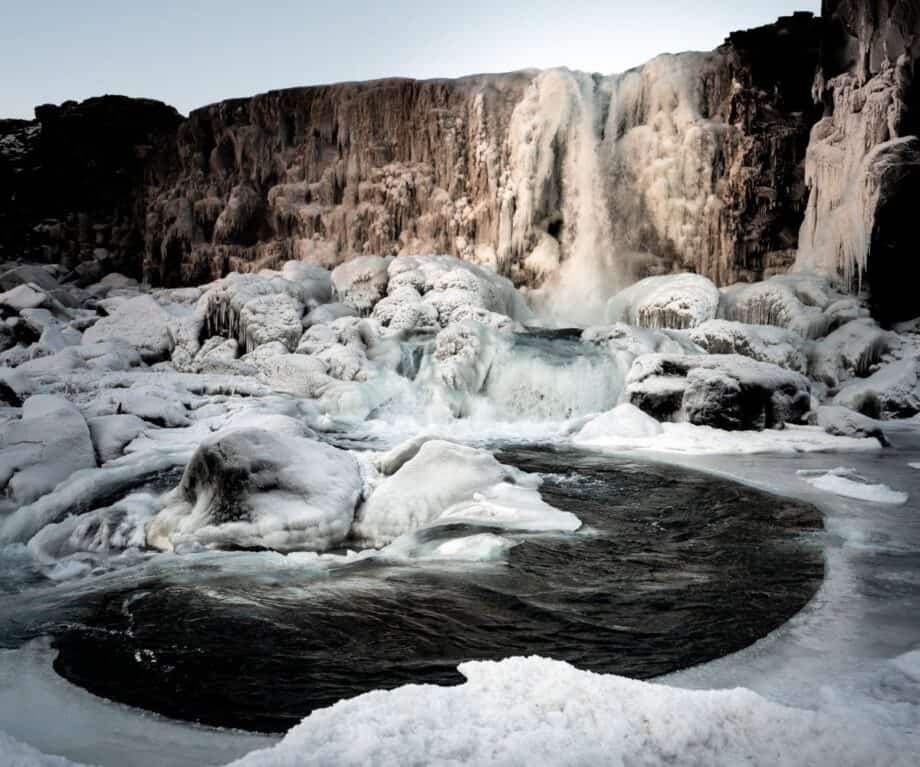
The ice caves
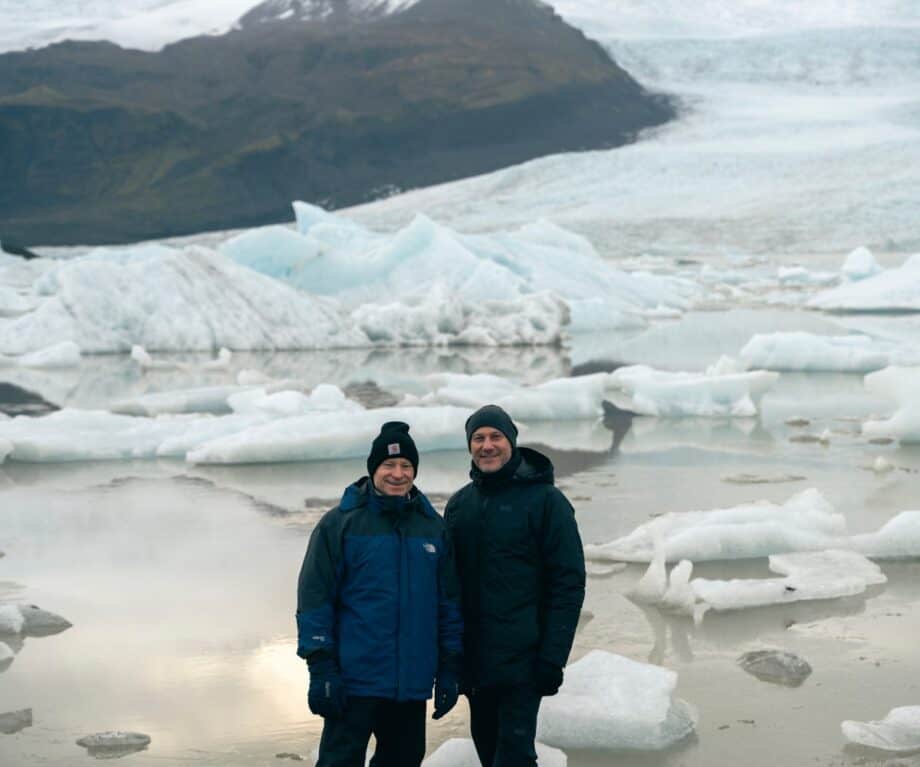
This is the winter experience people ask about most, and the one most often misunderstood. The blue caves under Vatnajökull aren’t permanent. Meltwater cuts new channels through the glacier every summer, and what you walk into in January did not exist in that shape the year before. The season runs roughly from November to March. Rain or a warm spell can flood a cave and close it for days.
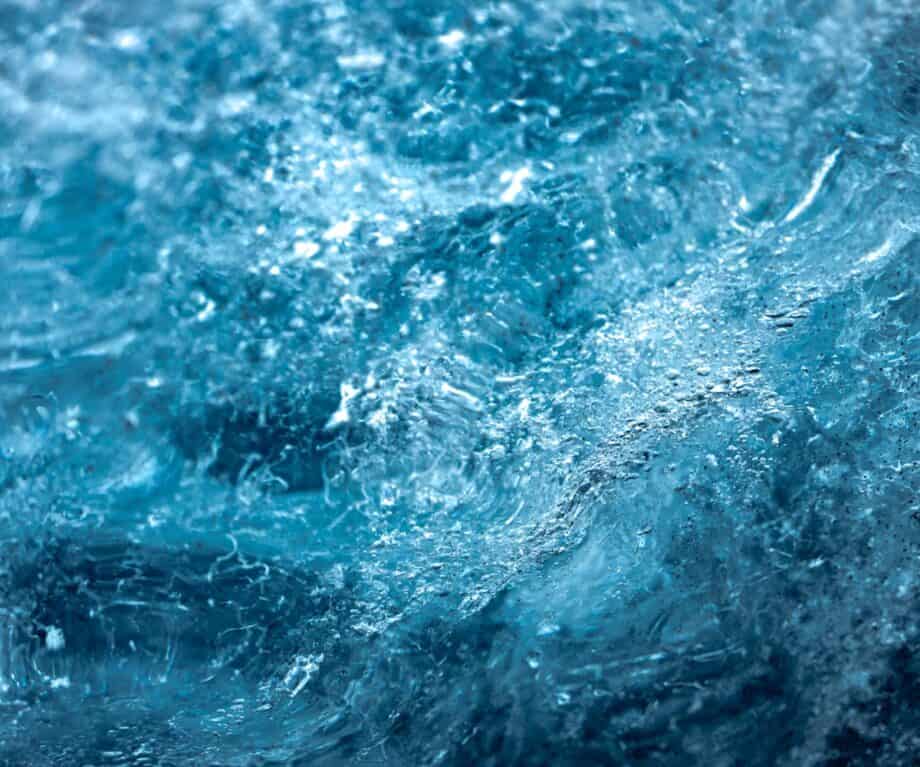
So two things matter. One is being nearby. The caves are on the far side of the south coast, around five hours from Reykjavík, and attempting them as a midwinter day trip means ten hours of driving, mostly in the dark, for well under an hour of ice. We put guests in the southeast for a night or two instead.
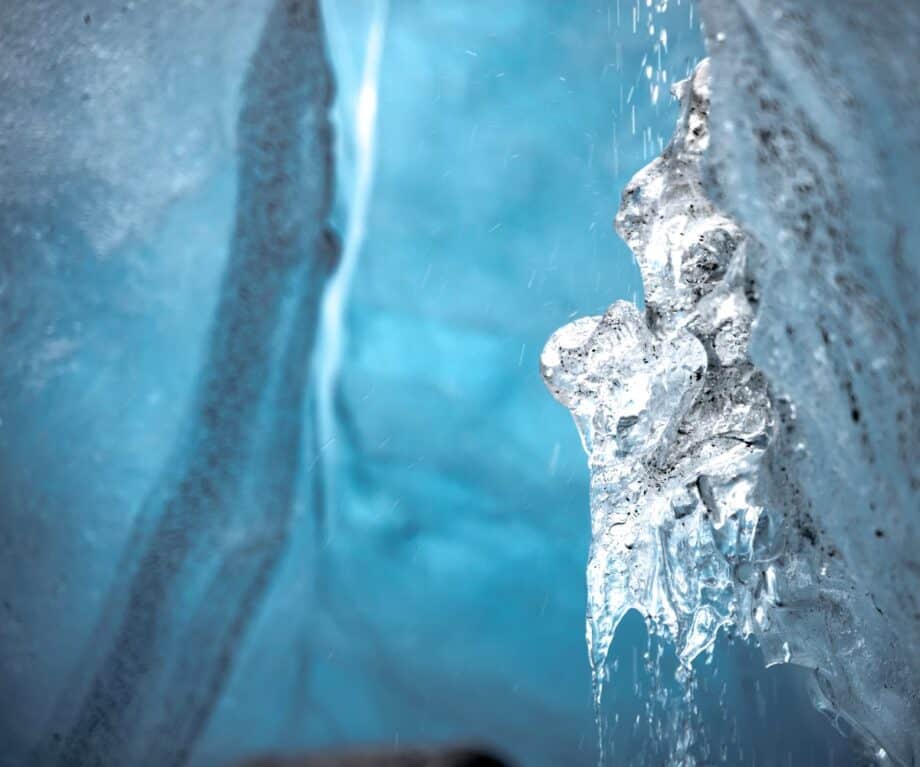
The other is slack. We don’t lead people into the caves ourselves. That’s work for the glacier guides who are on that ice every day, in trucks with tyres taller than a child, and we book the slot with them. What we can do is move it. If Tuesday’s cave is full of water, the guide swaps Tuesday for Wednesday and takes you to the lagoon at Jökulsárlón and the ice washed up on the beach opposite, and the trip loses nothing.
On a fixed departure, a flooded cave is a refund and an empty afternoon.
Reading the weather before it reads you
Winter weather here is mostly wind. Snow is the pretty part. The road authority closes stretches of the Ring Road when the gusts get dangerous, sometimes at short notice, and the stretch east of Vík is a regular.
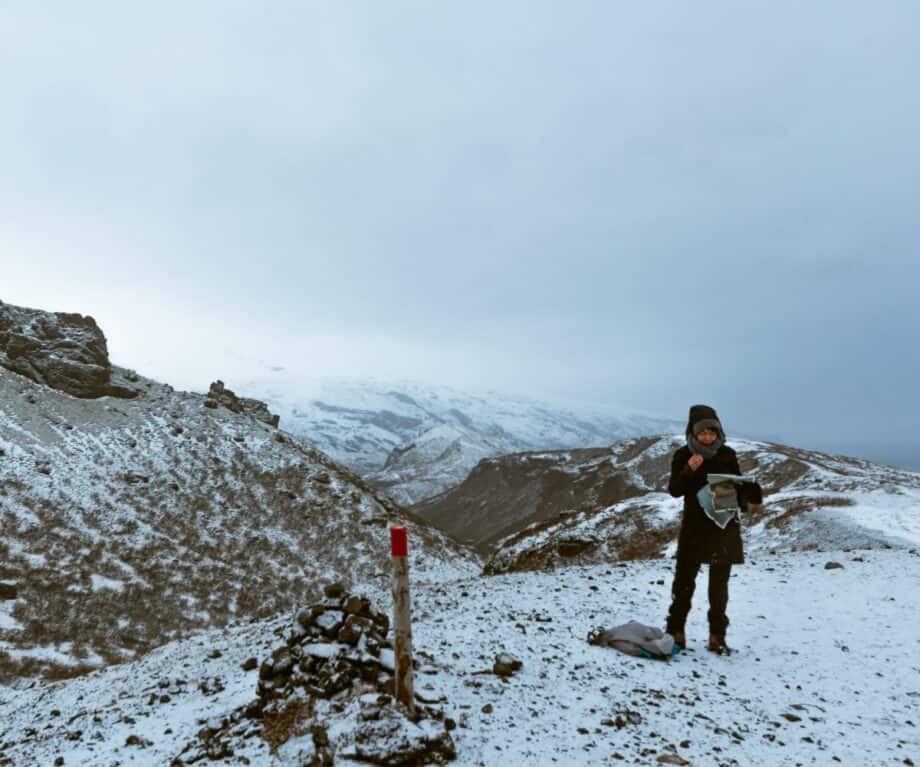
Our guides check the forecast the evening before and again first thing. That’s the job. If the south is shut, the day goes west, to Borgarfjörður, where Hraunfossar seeps out from under a lava field in dozens of small streams and the big hot spring at Deildartunguhver throws a wall of steam into the cold air. If everything is shut, it’s a Reykjavík day. There are worse fates than a very good bakery and a museum of Icelandic punk housed in a former public toilet.
For the pair from New Jersey, the storm day was a rest day that happened to be loud. The mother read and used the hot tub. Her daughter, who rides seriously at home, had already been out on Icelandic horses. Nobody was sitting in a rental car on the hard shoulder, wondering if the road ahead was open.
Everything you need to plan your trip in 2026
🌟 Luxury hotel deals from Booking
🏡 Vacation rentals from VRBO
✈️ Flights from KIWI
🛫 Private jets from Private Jet Finder
🅿️ Airport parking from ParkVia
🛋️ Airport lounges from Priority Pass
🚖 Airport taxis from Welcome Pickups
🚗 Car rentals from Discover Cars
🚐 Luxury RV rentals from RVshare
🚢 Cruises from Cruise Direct
🛥️ Ferries from Direct Ferries
🎫 Attractions tickets from Tiqets
🏞️ Tours from Viator or GetYourGuide
🛡️ Travel insurance from Safety Wing
🏥 Medical insurance from World Nomads
🧳 Luggage from Case Luggage
🛅 Luggage storage from Stasher
📚 Travel guides from Lonely Planet
📕 eBooks from Kindle Unlimited
🎧 Audiobooks from Audible
🎬 Movies from Prime Video UK
🎵 Music from Amazon Music UK
💶 Travel currency from Wise
📱 SIMs from SimOptions
🌐 VPNs from ExpressVPN or NordVPN
🛂 Visas from iVisa
The stops that aren’t on any list
Snowmobiles on Langjökull, reached in a super truck because little else gets up there in January. Both of them drove their own machine. The mother called herself just a Jersey girl, and went anyway.
At Laugarvatn there’s a bakery of sorts with no oven. Rye bread dough goes into a pot, the pot goes into a hole in the hot black sand by the lake, and about a day later somebody digs it up and serves it warm with butter. On a cold morning the steam coming off the shoreline makes the beach look as if it’s smouldering.
And the beef jerky. The daughter had come across a particular Icelandic dried beef early in the trip and wanted more of it, so on the Golden Circle day the guide went hunting through petrol stations until they found it. This appears in no itinerary we’ve ever written.
That’s what private buys you in winter: a day that can absorb a detour for dried meat.
A word on the northern lights
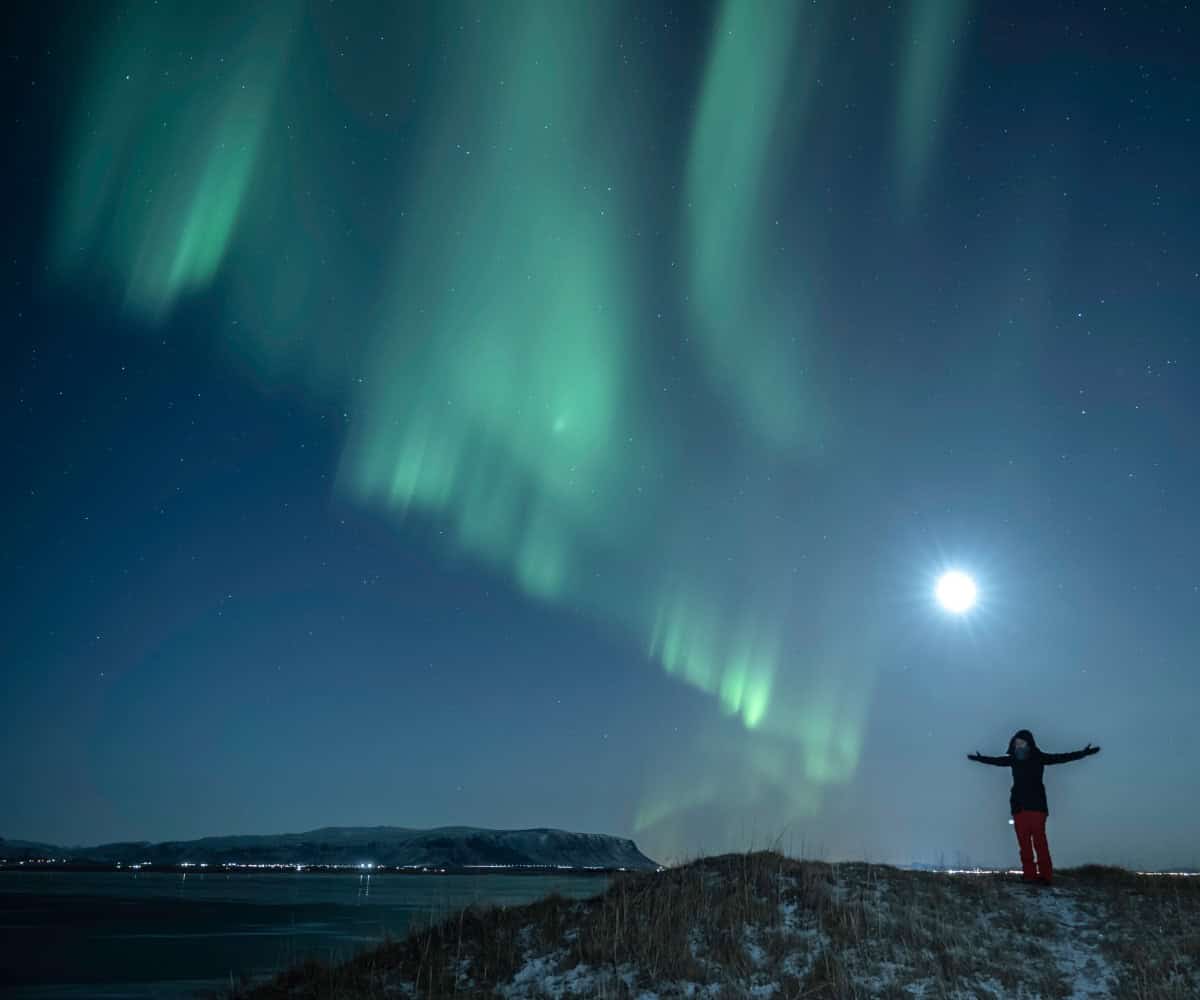
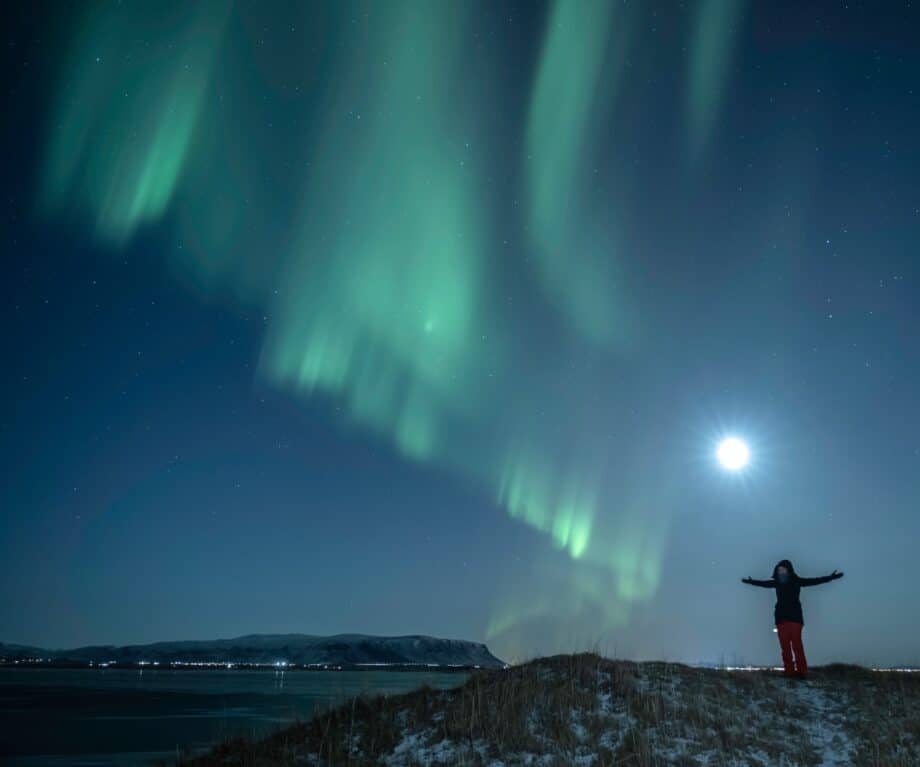
One paragraph only, because I wrote a whole article about them here in August. They appeared for these two on their second night, over Reykjavík, with nothing planned. That’s often how it goes. Treat them as a bonus and build the trip around things that are certain.
What winter won’t give you
The highlands are closed. So are most mountain roads, from the first proper snow until June or later. The puffins left in August. Some paths get roped off when they ice over, though the one behind Seljalandsfoss was open for our two in January and they walked round the back of the waterfall.
And you will probably lose something to the weather. A half day, a planned stop. Come for six or seven days if you can, not three, so that one bad day is a story and not a third of the holiday.
Who it suits
People who’ve done the big-city winter break and want something with more weather in it. Parents travelling with grown children. And anyone who’d rather not drive on ice in the dark, which, after ten winters here, I think is a sensible preference.
The mother told us later that she had never considered booking a private tour until we replied to a question she’d posted online. Her husband had told them to go and not worry about the budget. She wrote afterwards that she’d definitely be back.
If you’re looking at this winter, the ice cave slots around Christmas and New Year go first, and the small countryside hotels in the south have only a handful of rooms each. October is not too early.
On their last morning, at the airport, the mother posed for a photograph. In her hands: bags of beef jerky.
Julien Achache
Julien Achache is Owner of Lilja Tours. Lilja Tours is a boutique private tour operator based in Reykjavík, Iceland, specializing in bespoke private tours with a perfect 5-star rating across platforms. If you would like to be a guest blogger on A Luxury Travel Blog in order to raise your profile, please contact us.
Did you enjoy this article?
Receive similar content direct to your inbox.