
Iceland with kids: Why a private tour makes family travel easier

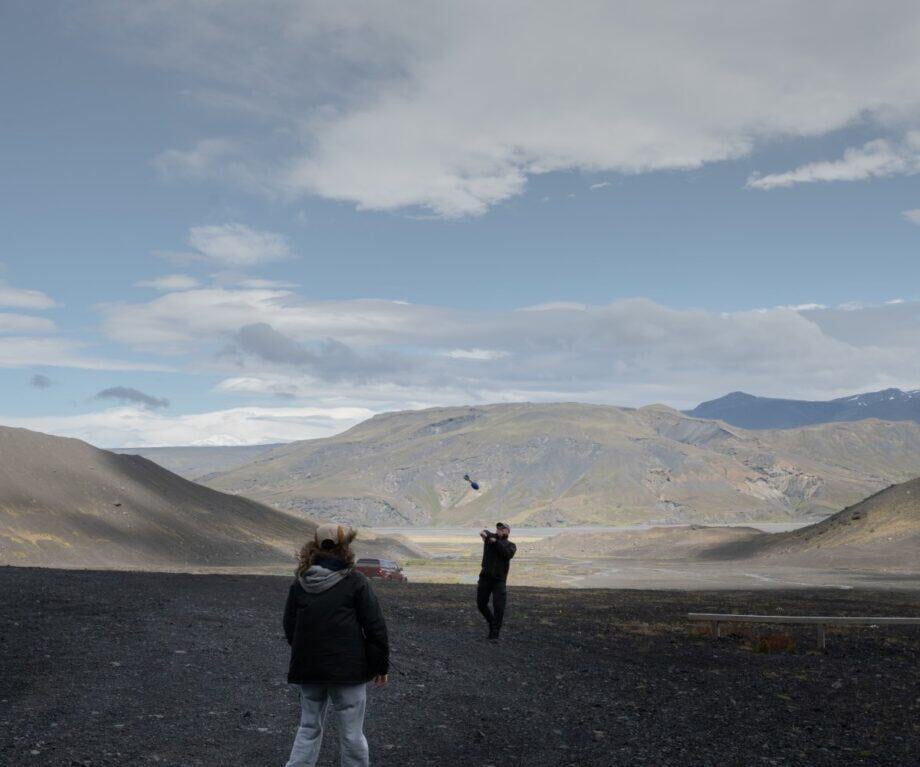
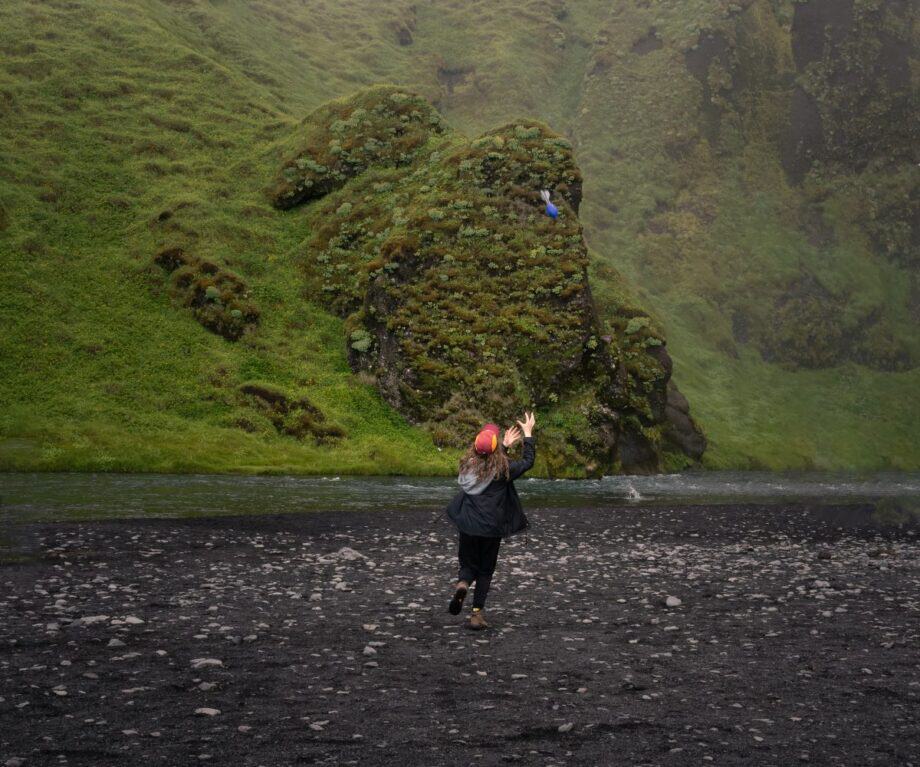
The handball came out at Dyrhólaey. A father and his daughter, over from Quebec, were throwing it back and forth on a headland 120 metres above the Atlantic, with the puffin cliffs behind them. Four days later it came out again, in front of a glacier tongue called Gígjökull, next to a barbecue.
I run Lilja Tours, a private tour company in Iceland, so yes, I have a stake in what follows. But that ball is the best argument I have. A family trip goes well when the day has enough slack in it for the thing nobody planned, and slack is what most ways of travelling around Iceland take away.
What Iceland gets right for families
Start with the easy part. Iceland is safe, the tap water is better than anything sold in a bottle, nearly everyone speaks English, and nobody blinks at a toddler in a restaurant at nine in the evening. The main attractions are outdoors and most of them cost nothing to stand in front of. No queue for a waterfall. No audio guide.
Children don’t need the geology explained. Strokkur goes up every five to ten minutes at Geysir and a six-year-old will happily watch it eleven times. Seals turn up in the glacier lagoon at Jökulsárlón. Across the road, lumps of ice the size of armchairs sit on black sand, and you’re allowed to touch them. Most towns have a geothermal pool, often with a slide, warm in any weather, and in my experience that pool is what the younger ones talk about on the flight home.
So the country does its part. The difficulty is everything in between.
Where family trips here go wrong
Distance, mostly. Iceland looks small on a map. Reykjavík to the glacier lagoons is close to five hours each way before you’ve stopped anywhere, and people try it as a day trip with children in the back. The Ring Road gets squeezed into seven days when a family with kids under ten needs ten, and the holiday turns into a rota of car seats and petrol stations.
Then weather. It rewrites the plan here more often than visitors expect, sometimes by lunchtime. Adults can pretend to enjoy horizontal rain. Children won’t.
And somebody has to drive. I’ve written on this site before about why many of our guests choose not to drive Iceland themselves, and with a family the case gets stronger. The parent at the wheel is watching for single-lane bridges and gusts across the road, checking the forecast, working out fuel and parking, and is not looking out of the window with everyone else. One adult spends the holiday as the logistics department.
What a private guide changes
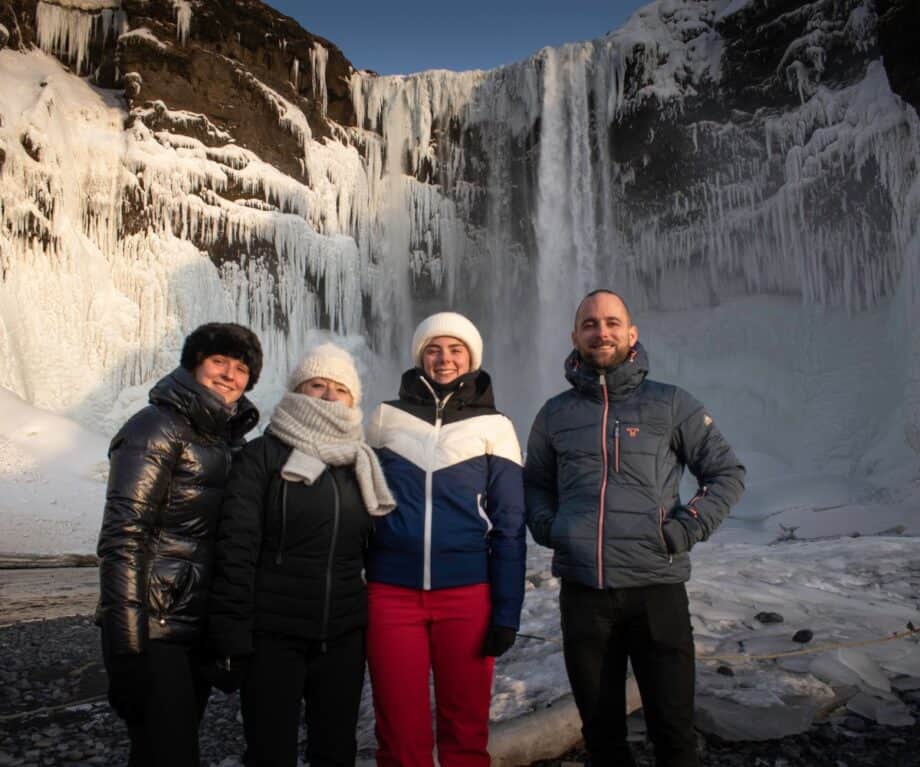
The pace becomes yours. In practice: the toddler falls asleep fifteen minutes before Skógafoss, so the guide parks and waits. The teenagers want another half hour up at a viewpoint and they get it.
The group can also split, and this is the part families don’t expect. Most glacier hikes take children from eight or ten, depending on the operator. Silfra, the fissure between the tectonic plates where people snorkel in water clear enough to look fake, won’t take anyone under twelve. On a shared tour that leaves the youngest out, or everybody out. With one vehicle and one guide who knows the area, the older two walk on the ice at Sólheimajökull with a glacier guide while the youngest goes to meet horses ten minutes down the road. Everyone turns up to lunch with something to report.
Small things add up too. Car seats are fitted before you land (they’re mandatory here for children under 135 cm). Snacks live in the door pockets. There are no strangers in the vehicle, so nobody has to be on best behaviour for eight hours.
And when the south coast is under rain, a guide who looked at the forecast first thing has already turned the day around. There’s usually somewhere drier within two hours’ drive. If there isn’t, there’s a lava tube at Víðgelmir with a lit walkway, and a pool afterwards.
Everything you need to plan your trip in 2026
🌟 Luxury hotel deals from Booking
🏡 Vacation rentals from VRBO
✈️ Flights from KIWI
🛫 Private jets from Private Jet Finder
🅿️ Airport parking from ParkVia
🛋️ Airport lounges from Priority Pass
🚖 Airport taxis from Welcome Pickups
🚗 Car rentals from Discover Cars
🚐 Luxury RV rentals from RVshare
🚢 Cruises from Cruise Direct
🛥️ Ferries from Direct Ferries
🎫 Attractions tickets from Tiqets
🏞️ Tours from Viator or GetYourGuide
🛡️ Travel insurance from Safety Wing
🏥 Medical insurance from World Nomads
🧳 Luggage from Case Luggage
🛅 Luggage storage from Stasher
📚 Travel guides from Lonely Planet
📕 eBooks from Kindle Unlimited
🎧 Audiobooks from Audible
🎬 Movies from Prime Video UK
🎵 Music from Amazon Music UK
💶 Travel currency from Wise
📱 SIMs from SimOptions
🌐 VPNs from ExpressVPN or NordVPN
🛂 Visas from iVisa
By age, roughly
Under five, plan less than you think. One real stop in the morning, one in the afternoon. Horses work at any age: the Icelandic horse is small and patient, and plenty of farms will let small children say hello without riding. Waterfalls work too, for the noise alone.
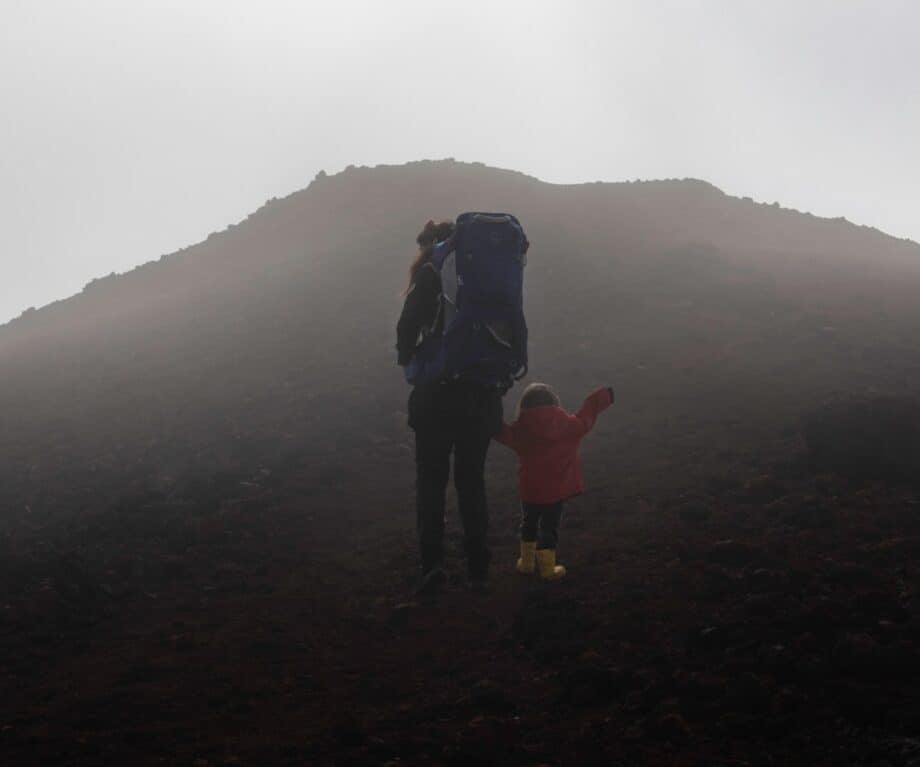
Six to twelve is the easiest age to bring. They can walk for three hours, they ask good questions, and they haven’t yet decided to be unimpressed. Lava caves, whale watching, puffins from May into August, and the glacier once they’re eight.
Teenagers are harder, everywhere. Iceland is one of the few places I know that gets through to them. Snowmobiles on Langjökull. River wading up a canyon with a chain bolted to the rock for balance. Last August a father and son spent six days with us and their route was built almost entirely around effort: the three-hour hike to Glymur, with its log crossing over the river, then the highland track that runs between two ice caps, then a ferry out to the Westman Islands and a walk up Eldfell, the volcano that buried part of the town in 1973. The ground near the top is still warm.
Three generations in one vehicle
One of the clearest trends in our bookings over the last few years is three generations travelling together. Ages eight to eighty, sometimes wider. Iceland suits that, because the big sights ask for no fitness at all and the harder options sit right beside the easy ones. Grandparents who’d rather start at ten start at ten.
The mistake is the same every time: too many stops. Two a day is often plenty for a group like that, with a long lunch between them. The driving isn’t dead time here. The view changes every few kilometres and the guide is telling stories.
The arithmetic shifts as well. A private vehicle and guide is one price shared across six or seven people, and once you add up a large rental, full insurance, fuel and every separately booked activity, the gap per person is narrower than most families assume before they ask.
What I’d skip
The Blue Lagoon with small children. Under-twos aren’t allowed in, and it’s a spa built for adults who want quiet. A town pool costs a fraction of the price and has a slide.
Reynisfjara needs care. The black sand beach is as striking as the photographs suggest, and the waves there have killed people. Children stay well back from the waterline, held by the hand, and a guide knows where it’s safe to stand on the day.
More than one booked activity a day. It always looks fine on paper.
Summer or winter
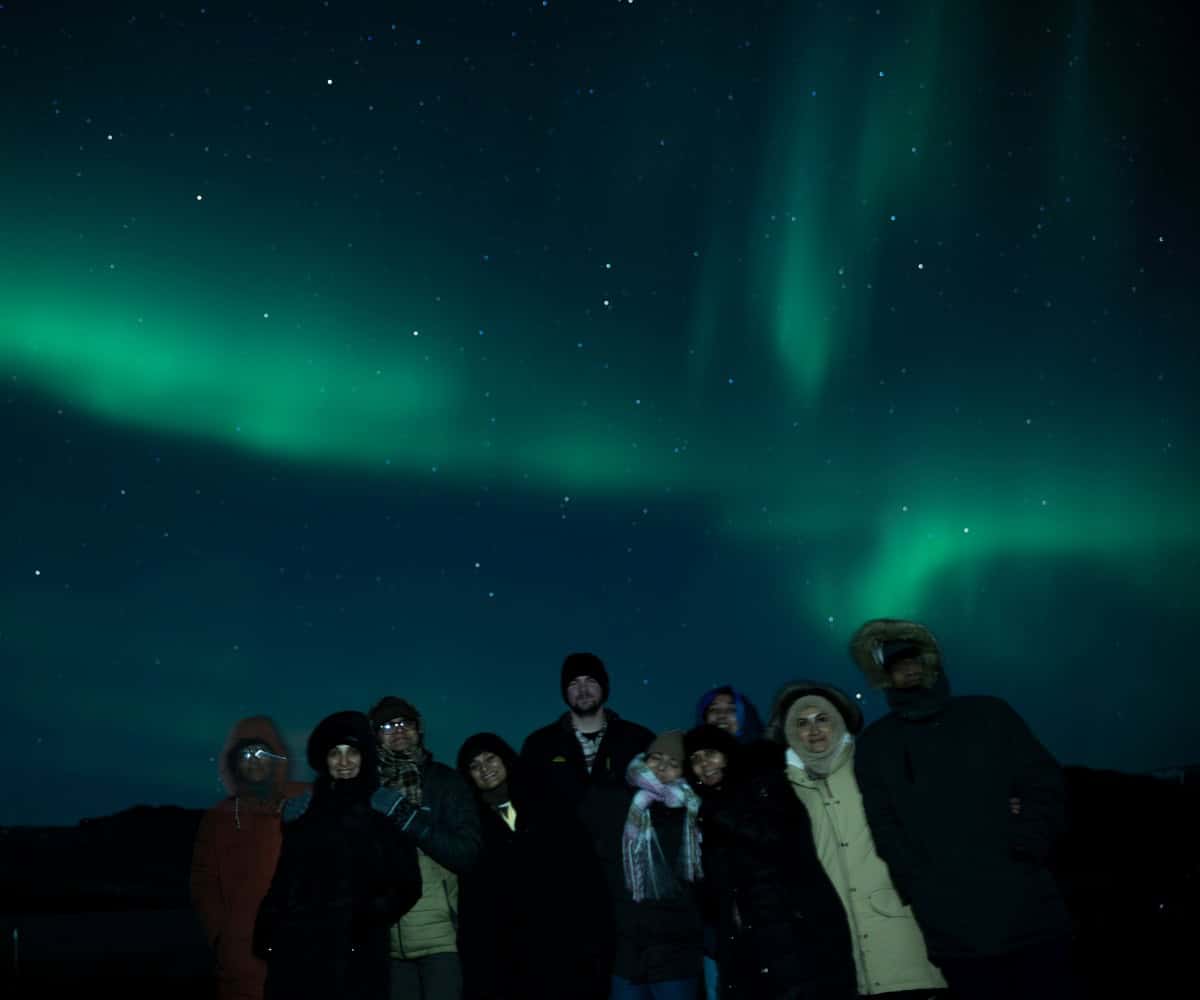
Summer for a first visit, especially with younger children. In June the daylight runs more or less around the clock and the puffins are on the cliffs. The highland roads open a few weeks later.
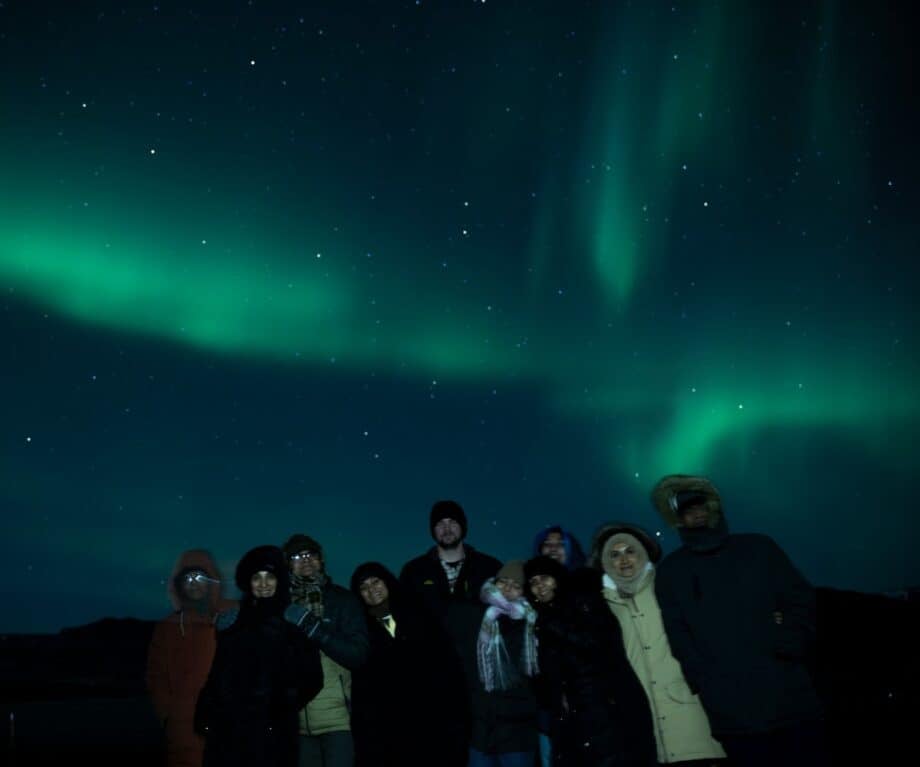
Winter suits older children and teenagers better. There are ice caves from November to March and a fair chance of northern lights. December, though, gives you four or five hours of daylight, and the plan has to bend more.
If you’re thinking about July or August 2027, autumn is when to start. Family rooms and connecting rooms are scarce outside Reykjavík, and for peak summer they go early.
What they remembered
That Quebec family had five days in June. The trip was meant to be father and daughter only, until her mother read the itinerary and decided she was coming. They walked behind Seljalandsfoss and took a zodiac out among the icebergs at Fjallsárlón. On the last day they went into Þórsmörk, over unbridged glacial river crossings handled by their guide, ate burgers off a barbecue in front of Gígjökull, and waded up a canyon to a waterfall. All three voted it the best day of the five. Physically harder than they’d expected, they told us afterwards, and exactly what they wanted.
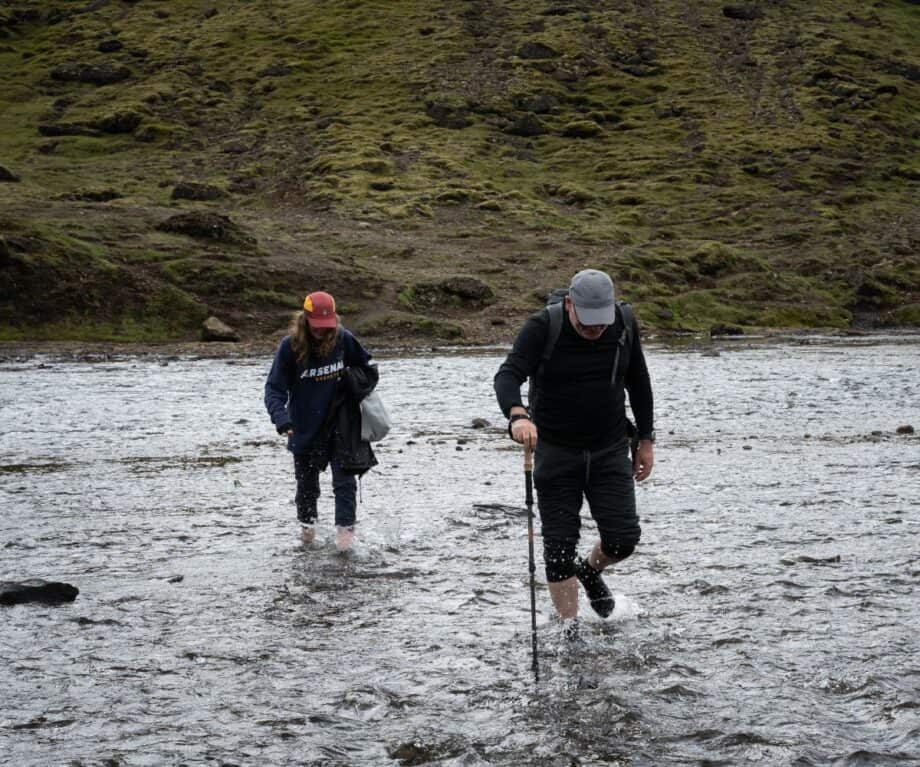
The girl found the second river crossing on the Glymur hike properly difficult. Her father coached her over it.
Then the ball came out again.

Julien Achache
Julien Achache is Owner of Lilja Tours. Lilja Tours is a boutique private tour operator based in Reykjavík, Iceland, specializing in bespoke private tours with a perfect 5-star rating across platforms. If you would like to be a guest blogger on A Luxury Travel Blog in order to raise your profile, please contact us.
Did you enjoy this article?
Receive similar content direct to your inbox.

You are spot on about the slack. Too often I’ve been on tours scheduled down to the last minute. We all need time to breathe and the better the tour the more time you need to take it all in and process it.
Sometimes guides treat their guests like young children who have to be occupied for every minute of the day. Never forget that it is a holiday and a little relaxation and down time should be programmed in as well.