
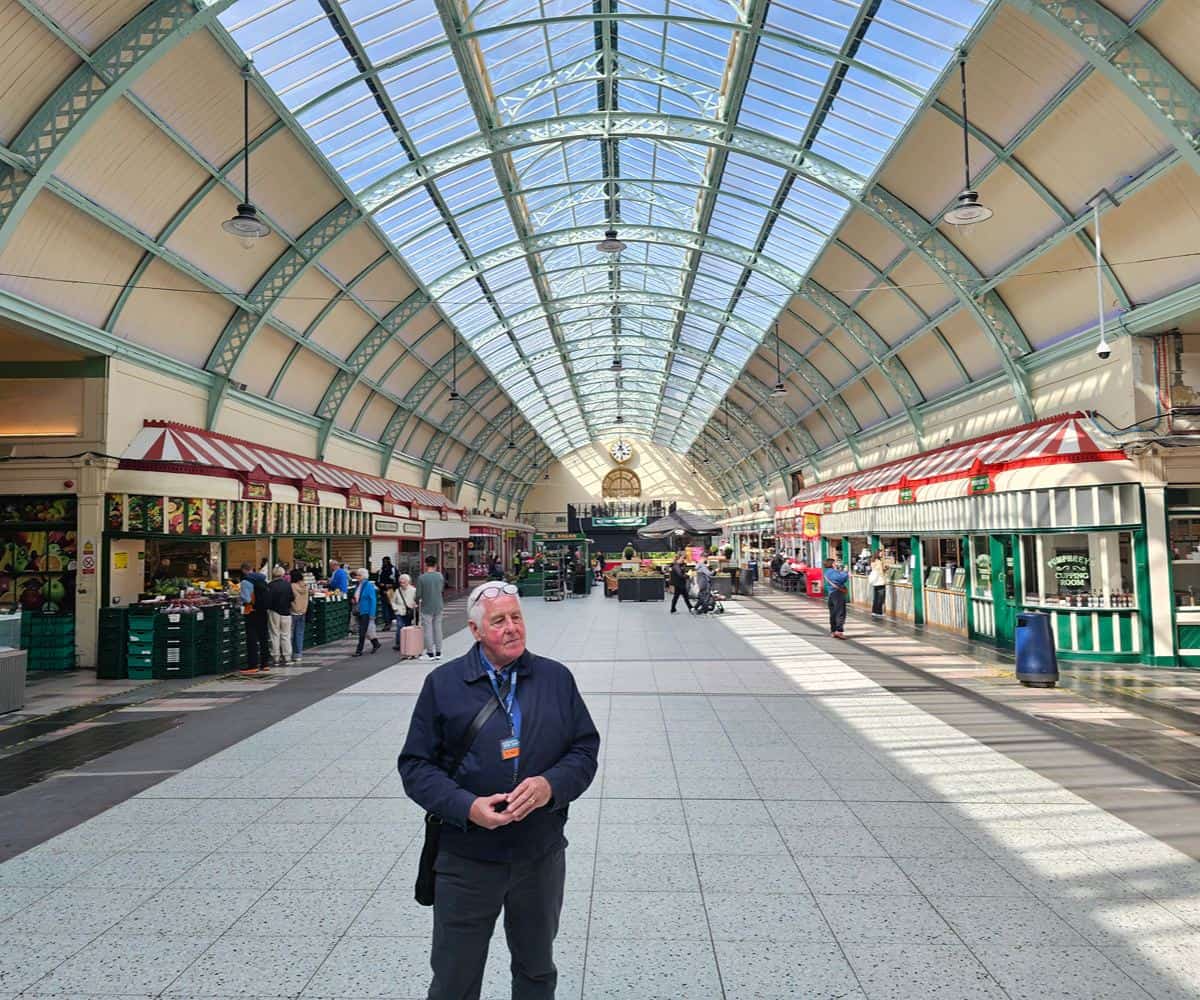
Without Newcastle, the world would not exist

“Without Newcastle, the world would not exist. You’ve got to understand that.”
So begins our city tour with Michael, a Geordie by birth and by heart. He is a former firefighter for the city for more than 30 years and knows every alleyway and back lane better than most, as well as a former entrepreneur who once proudly ran a chain of seven sandwich shops across the Toon.
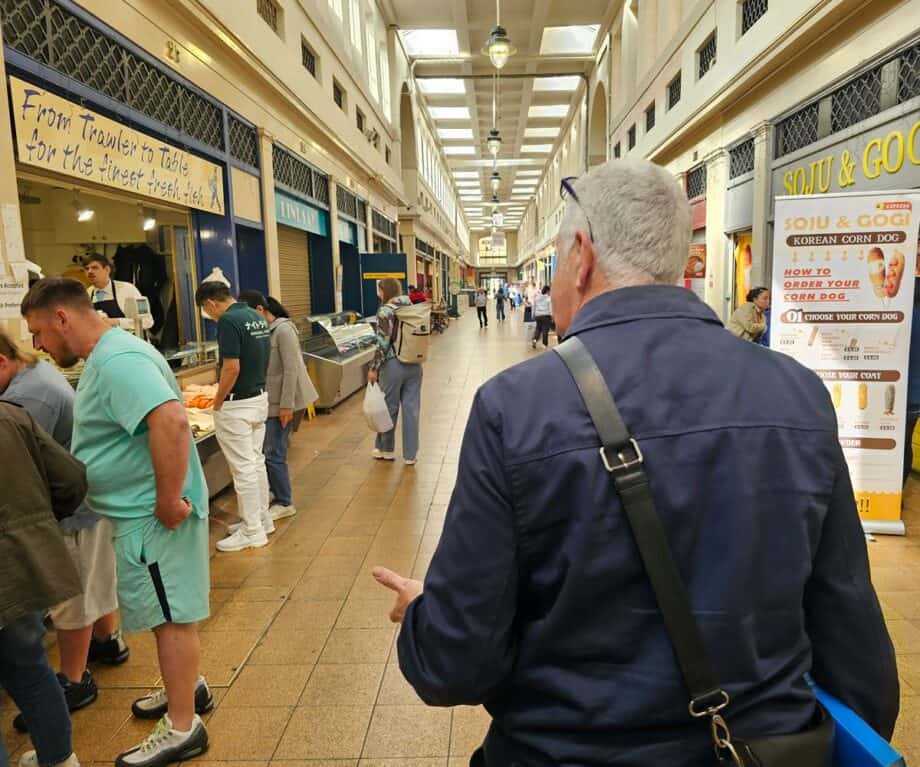
The point he was making is that Newcastle is a city famous for a slew of firsts. The first street to be lit by electric light was in Newcastle. The first two-tier road and rail bridge, too. Not to mention the first commercial hydroelectric swing bridge. The city was also the birthplace of Greggs, Domestos, Lucozade, the modern light switch, the windscreen wiper and the first purpose-built lifeboat.
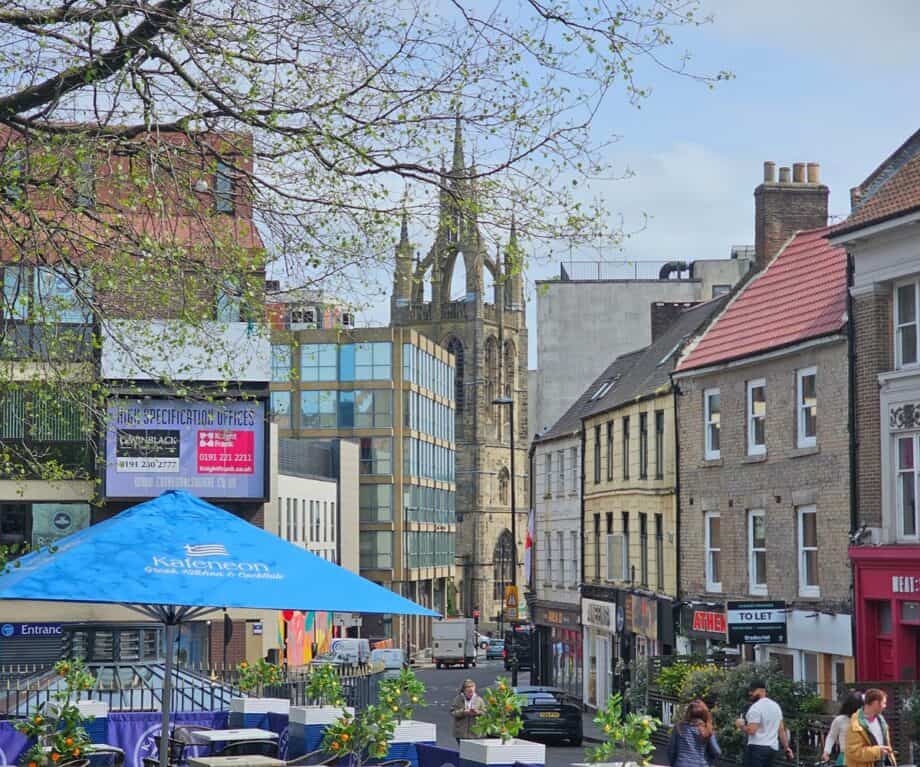
Michael made this claim outside Newcastle Central Station which, incidentally, was the world’s first covered train station. Now a walking tour guide with Newcastle Tour Company, he gave us a high-energy account of two millennia of British history, with Newcastle at the heart of it all. The pride for his city was tangible and, combined with his razor-sharp Geordie wit, he brought the city’s past to life through its history, dialect and, above all, its food. This was, strictly speaking, billed as a street food tour after all, but it delivered so much more.
Dialect, kings and coal: What Makes a Geordie?
Before you sample a single bite in Newcastle, you need to understand the culture — and that starts with the language. “Why do we get called Geordies?” Michael asks, gathering us in close. “We always backed the King in Newcastle — royalists throughout our life. George I, George II, George III, George IV… and we were always at battle with those pests up there, the heathens, the Scots!”
As Michael explains, Newcastle’s identity and accent are built on layers of history. After the Romans departed around 410 AD (“probably around April time — that’s when EasyJet flies!”), the region weathered the Dark Ages before Saint Cuthbert brought Christianity from Holy Island. Then came the Norse and Anglo-Saxon influences, leaving behind a dialect that endures today.
He reels through some examples. Hinny: A universal term of affection for anyone and everyone (“You’re a hinny, she’s a hinny!”). Bairns: Children. Yem: Home (“I’m gan yem” = I’m going home). Hoy: To throw or toss (“Hoy ya hammer ower here, hinny”). Clamming: Starving or very hungry.
Yet behind the unique dialect lies a city forged in industrial grit. Newcastle was built on coal and engineering brilliance. It was right there that George Stephenson developed Locomotive No. 1 and The Rocket, pioneering passenger rail travel with the Stockton & Darlington Railway in the 1820s. “1828, the only place in the world you could buy a steam locomotive was right here in England. In 1876, at the Battle of Little Bighorn, they were still riding around on horse and cart in America. We were miles ahead!”
From Roman garrisons to Medieval siege warfare
Walking through Newcastle feels like passing through temporal layers. One moment you are standing on the remnants of Hadrian’s Wall (constructed under Emperor Hadrian starting in 122 AD to separate the Roman Empire from Caledonia); the next, you are admiring the soaring medieval Town Walls.
Michael paints a vivid picture of ancient culinary influences. The Romans brought olive oil, beans, and garum (fish oil), feast-harvesting the local bounty of haddock, mackerel, crab, wild boar, and game. Holding court beside the 13th-century stone fortification walls on Bath Lane — saved from modern development because frugal locals used the ancient walls as the back structure for modern offices — Michael explains medieval defense tactics with characteristic flair.
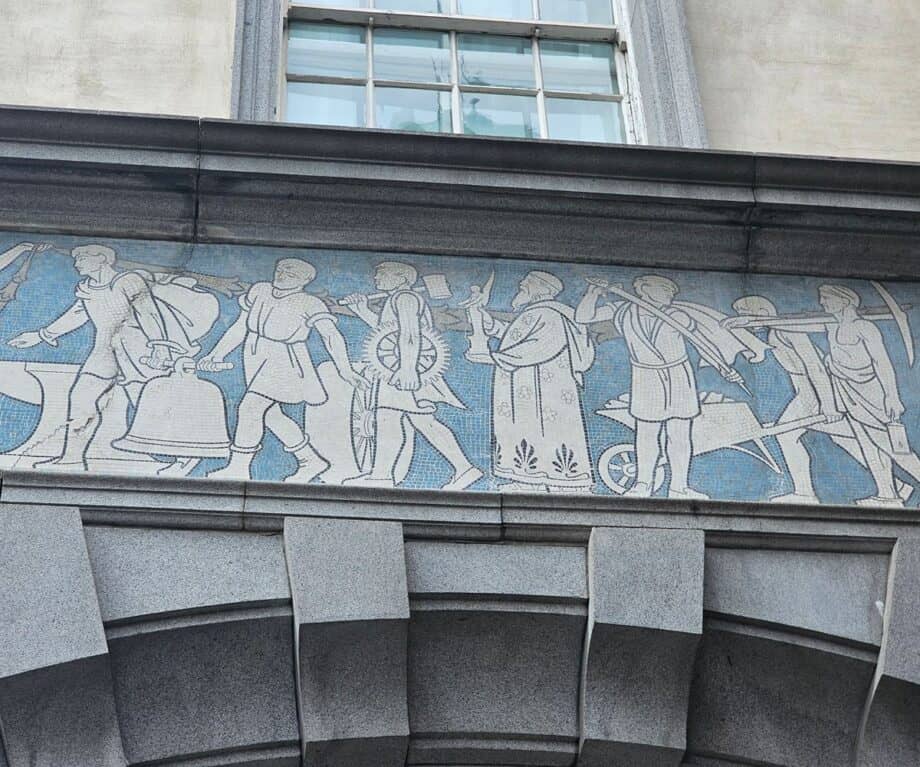
Pointing to the projecting parapets (“the sticky-out bits”), he debunked movie myths: “Did they pour boiling oil over attackers? Of course not—oil was expensive! Did they boil water? No, in a siege you need your water! What’s left? Piddle! Boiling piddle poured over the edge, mixed with sand to get under their armor.” He takes the opportunity to point out yet another first… “The very first chemical warfare in the world — Newcastle!”
The artisan sausage roll & The Greggs phenomenon
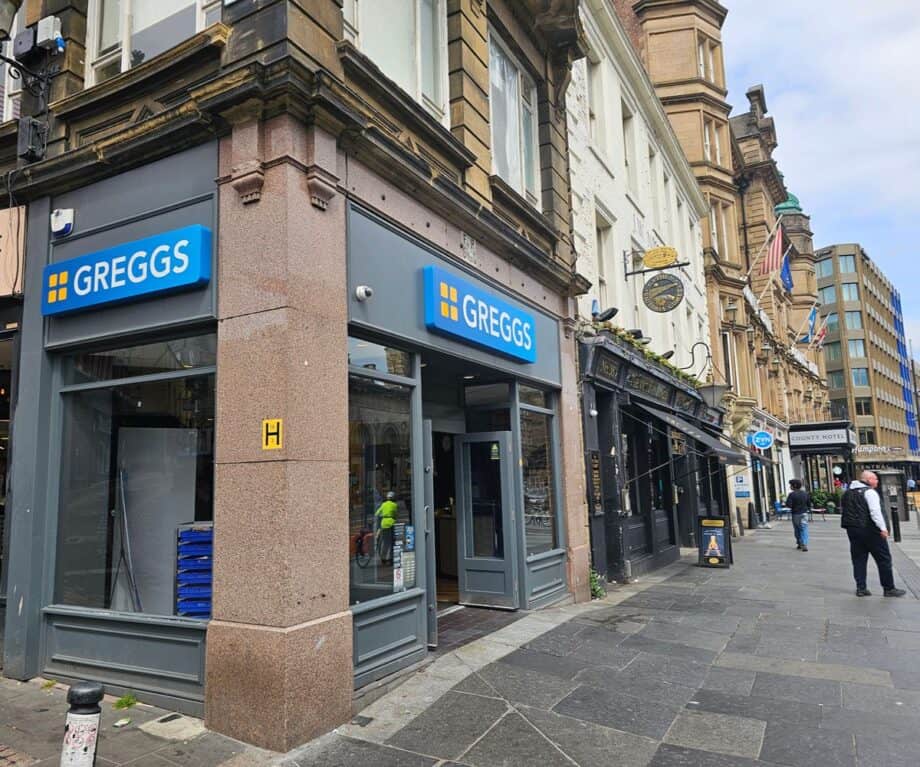
You cannot talk about food in Newcastle without mentioning Greggs. The bakery giant started on Gosforth High Street when Ian Gregg opened his first shop, and today it is an undeniable icon of Tyneside culture. “We’ve got that many Greggs now that if you walk around with a cup of coffee and a croissant, by the time you’ve finished eating it, you’ve passed another Greggs!”
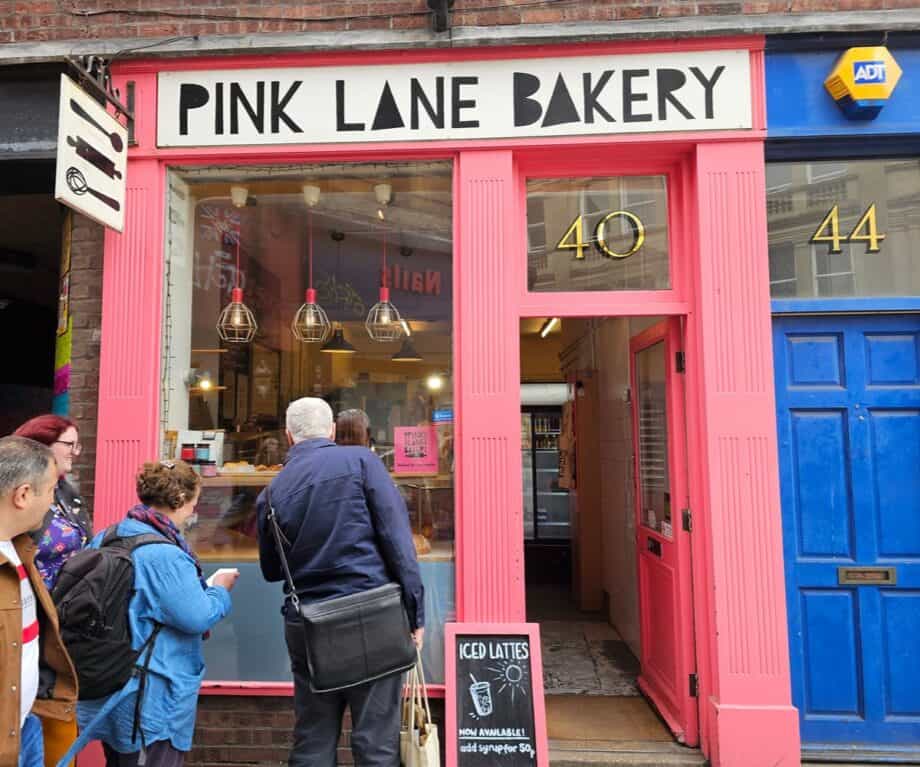
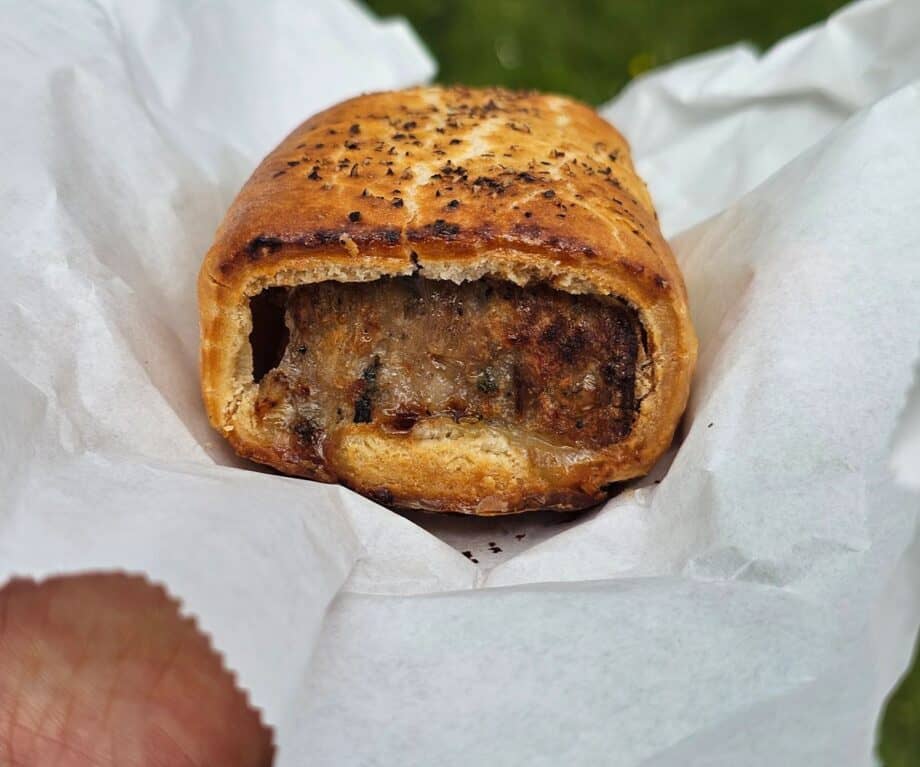
Our tour’s first official food stop, however, takes the concept of the humble sausage roll to an artisan peak on Pink Lane. Passing nearby medieval remnants, we stop for handcrafted sausage rolls packed with pork sausage meat, pancetta, and rosemary wrapped in golden pastry, alongside savoury vegan rolls loaded with mushrooms, onions, miso and garlic oil.
Everything you need to plan your trip in 2026
🌟 Luxury hotel deals from Booking
🏡 Vacation rentals from VRBO
✈️ Flights from KIWI
🛫 Private jets from Private Jet Finder
🅿️ Airport parking from ParkVia
🛋️ Airport lounges from Priority Pass
🚖 Airport taxis from Welcome Pickups
🚗 Car rentals from Discover Cars
🚐 Luxury RV rentals from RVshare
🚢 Cruises from Cruise Direct
🛥️ Ferries from Direct Ferries
🎫 Attractions tickets from Tiqets
🏞️ Tours from Viator or GetYourGuide
🛡️ Travel insurance from Safety Wing
🏥 Medical insurance from World Nomads
🧳 Luggage from Case Luggage
🛅 Luggage storage from Stasher
📚 Travel guides from Lonely Planet
📕 eBooks from Kindle Unlimited
🎧 Audiobooks from Audible
🎬 Movies from Prime Video UK
🎵 Music from Amazon Music UK
💶 Travel currency from Wise
📱 SIMs from SimOptions
🌐 VPNs from ExpressVPN or NordVPN
🛂 Visas from iVisa
The bounty of the North Sea & Chinatown
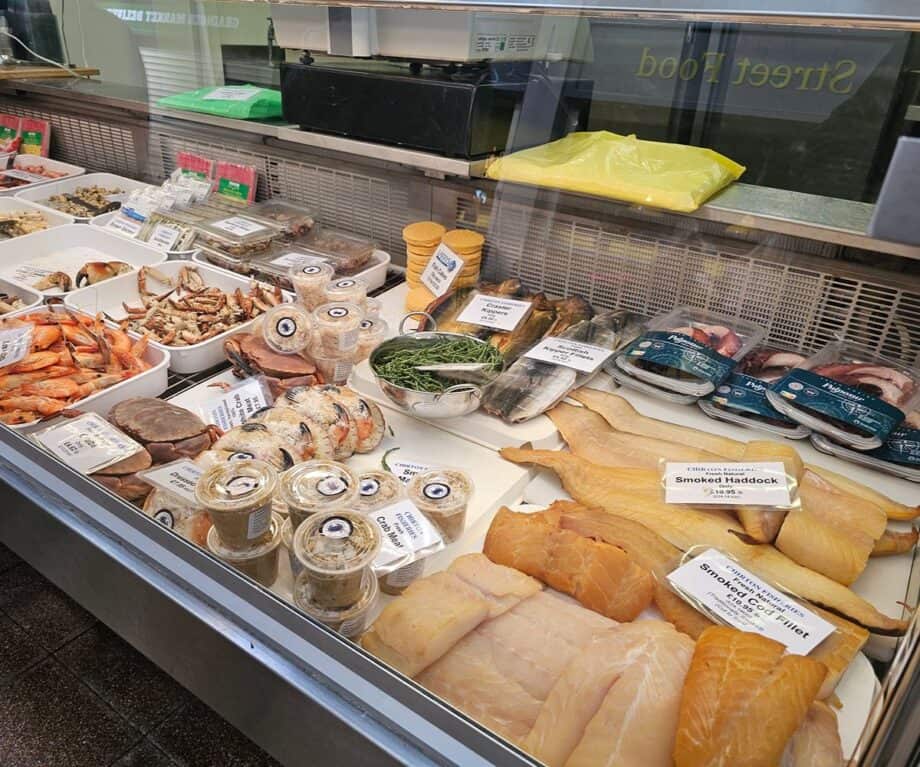
Michael also gives us an insight into the region’s rich seafood heritage. Newcastle was once home to massive herring fleets that supplied Scandinavia and the Baltic states, alongside incredible harvests of North Sea brown crab, lobster and langoustines. He tell us that, in the 18th and 19th centuries, salmon was in fact so abundant in the River Tyne that local apprentices notoriously had clauses written into their agreements complaining if they were served salmon more than four times a week. This reminded me of how lobster was routinely served to prisoners in 17th and 18th century North America — and how it was considered a punishment rather than a delicacy.
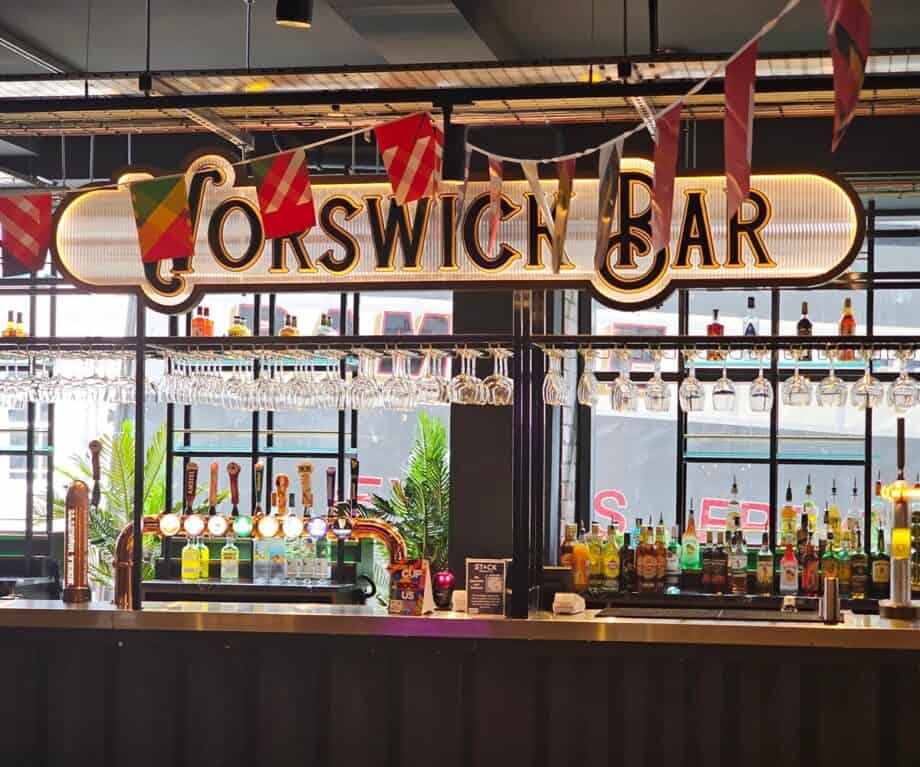
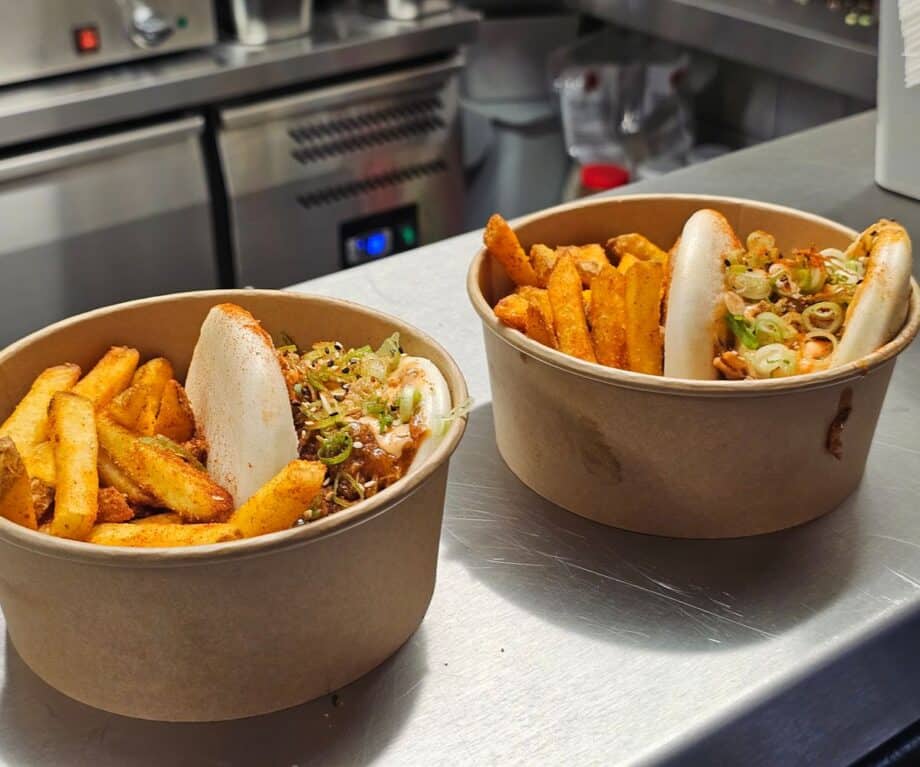
For lunch, we stop at Bao Down at STACK, located at Worswick Chambers on Pilgrim Street. They offer a selection of Asian street food including steamed bao buns filled with a variety of fillings. Michael tells us about Chinatown on Stowell Street and how the city boasts a deep Asian heritage (including claims to early takeaway culture in neighboring Heaton). This all serves as a reminder of the dynamic, cosmopolitan palate of modern Newcastle.
Blackfriars: Dining inside history
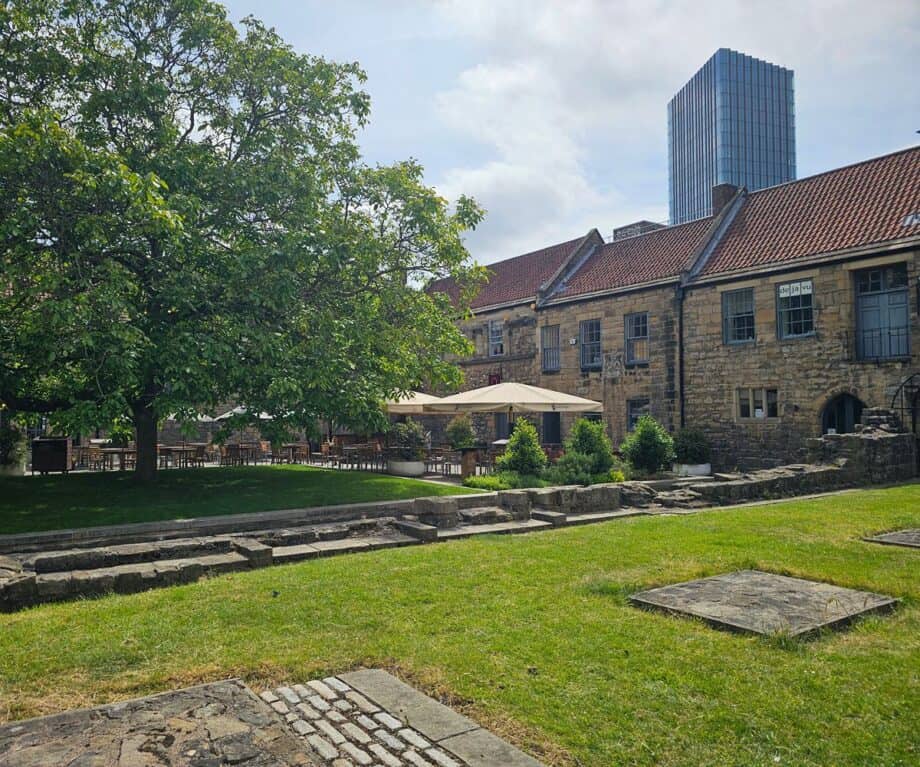
Stepping into the tranquil courtyard of Blackfriars, you step back to 1239. Originally a Dominican friary (the “Black Friars” named for their black cloaks), this ancient complex survived centuries of upheaval, including Henry VIII’s Dissolution of the Monasteries and 19th-century industrial degradation. By 1974, the historic cloisters were derelict and facing demolition.
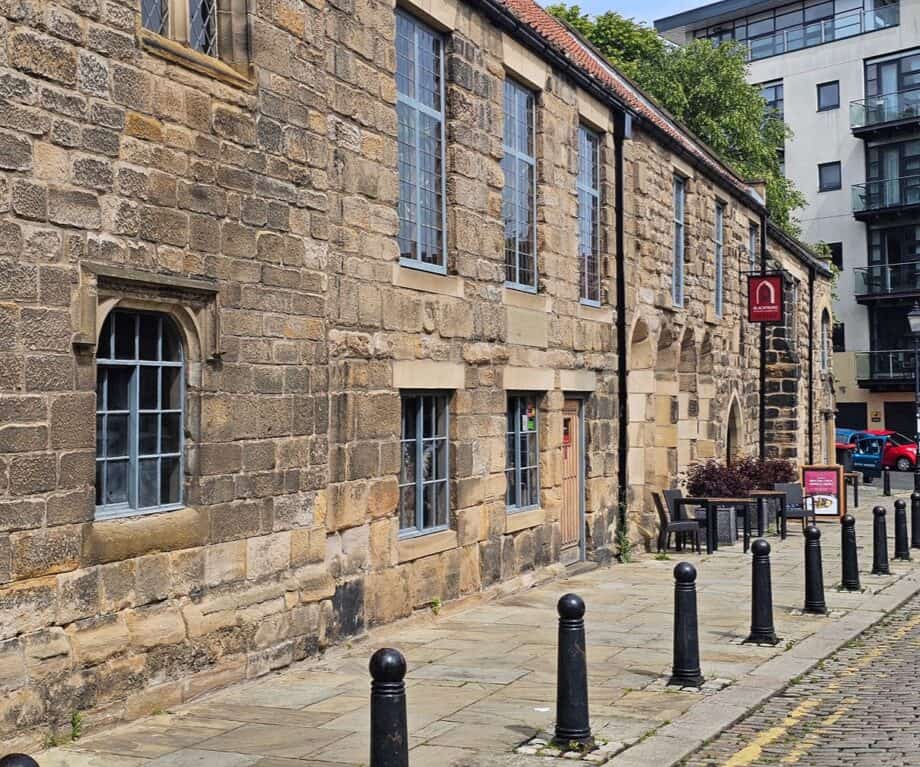
Thanks to civic investment and the vision of dedicated local chefs (including pioneer Terry Laybourne), Blackfriars was saved and restored. Today, it stands as one of Newcastle’s premier dining institutions, serving regional British cuisine surrounded by medieval stone columns, herb gardens overflowing with rosemary and chives, and centuries of haunting folklore — including the tale of the Blackfriars ghost who supposedly wanders between the friary and nearby Nun Street.
Grainger Market and the heart of Geordie fuel
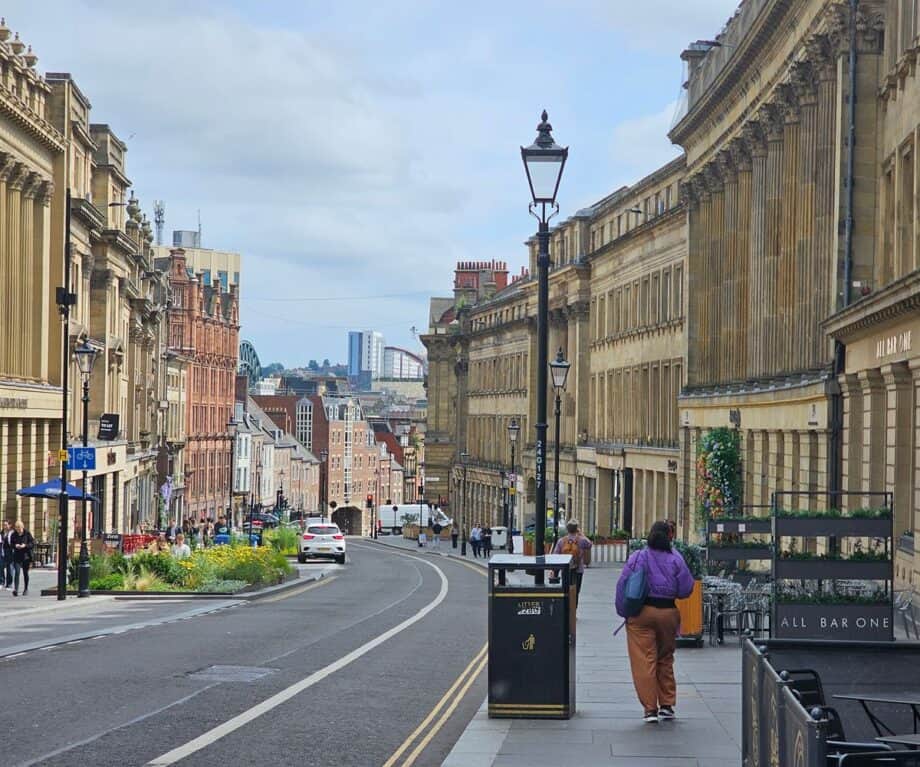
No tour of of Newcastle is complete without mentioning the transformation brought about by Richard Grainger and John Dobson. This builder-architect duo transformed the streets of Newcastle in the 1830s. Once a medieval warren, the city instead began to emulate Paris or Rome with its neoclassical masterpiece of sweeping sandstone curves, grand Doric columns, and wide boulevards.
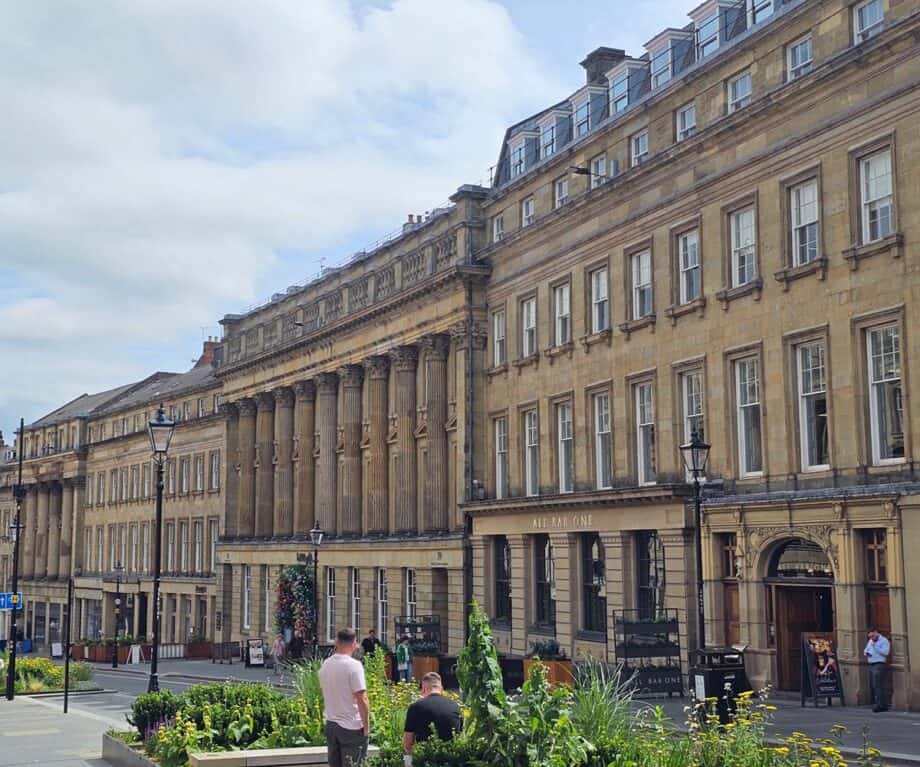
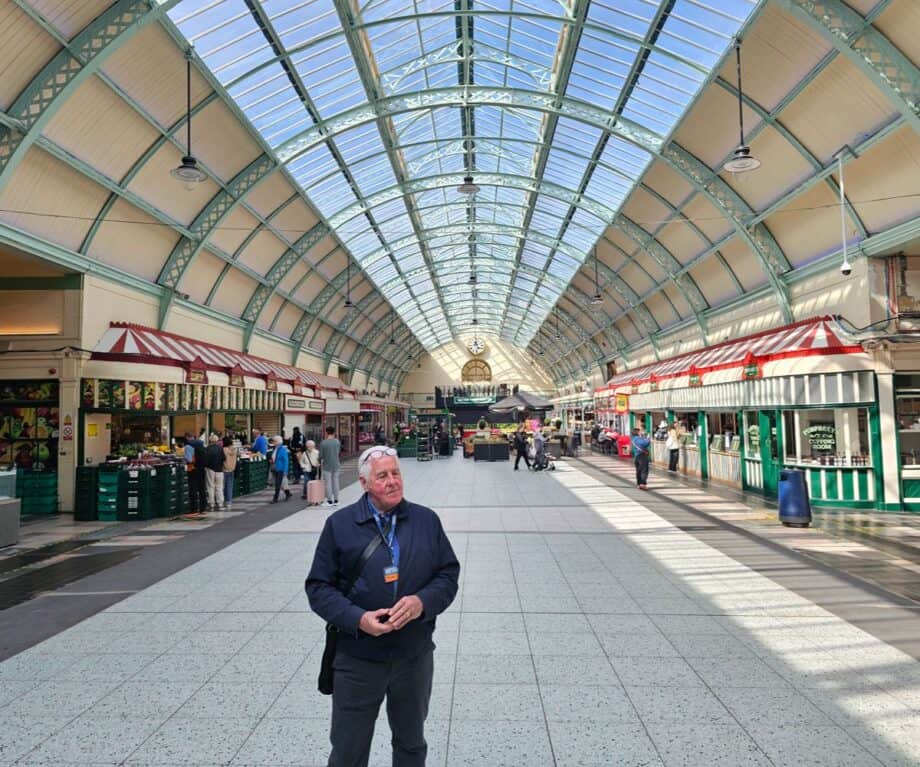
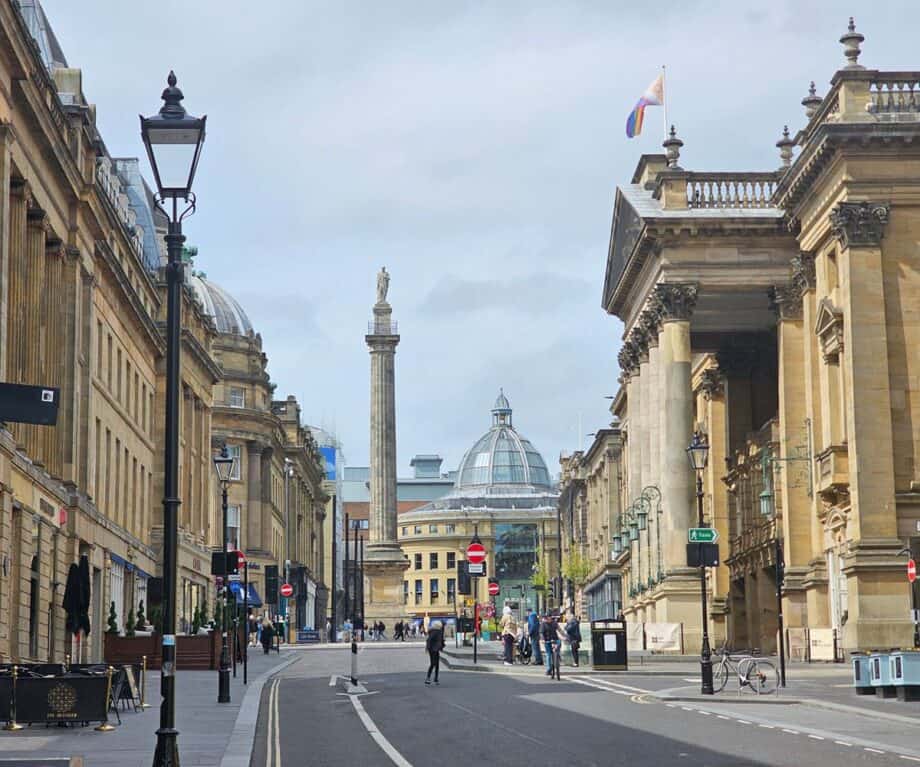
At the centre of it all is Grey’s Monument (dedicated to Earl Grey of tea fame) and the historic Grainger Market, opened in 1835 as the largest enclosed market in Europe. Back then it was the largest enclosed market in the whole of Europe. Inside its soaring timber-and-glass-roofed avenues, the smallest Marks & Spencer in the world retains its original 1890s storefront slogan: “Don’t ask the price, it’s a penny.”
We’re also told about pease pudding and stotties – the ultimate Geordie fuel. A stottie is a heavy, flat, round oven-bottom bread roll, historically sliced into giant wedges for colliers working down the coal pits. It is traditionally stuffed with thick slices of boiled ham and a rich layer of pease pudding (seasoned, crushed yellow split peas). Or, as Michael puts it: “Pease pudding cold, pease pudding hot, pease pudding in the pot, nine days old! That’s real Geordie fuel. It’s heavy, filling, and delicious.”
Fire stations, pub culture and “a bottle of dog”
Michael takes us past local haunts like The Beehive and the historic fire station on Pilgrim Street (now Hotel Gotham, Newcastle’s only 5-star hotel) — where he spent 21 years of his firefighting career maneuvering turntable ladder trucks through the narrow station arches.
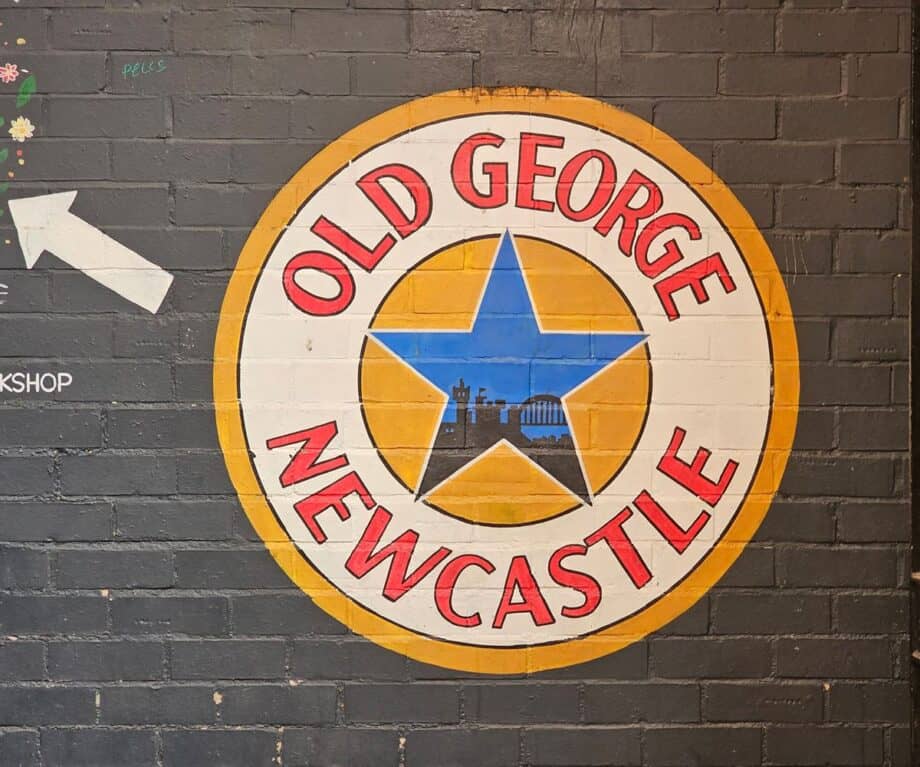
No Geordie narrative is complete without Newcastle Brown Ale. First brewed in 1827 by Colonel James Porter, the famous “Blue Star” ale earned the local moniker “a bottle of dog”: “The miners would come off shift with their throats choked with dust. Their wives would ask, ‘Where are you off to?’ and they’d reply, ‘I’m just taking the dog for a walk!’ Soon enough, going out for a drink simply became ‘getting a bottle of dog.'”
The spirit of the Toon
One thing is clear from our tour. Newcastle-upon-Tyne is a city that’s built on resilience, heart and – let’s not forget – humour. Our food tour had taken us from Roman garrisons to bustling market stalls, as well as from modern bao bars to medieval friaries. But, through the eyes of a passionate guide like Michael, this was so much more than your typical food tour. It was a full celebration of Tyneside pride and demonstrated that the true flavour of Newcastle lies as much in its stories and people, as it does on the plate.
And thinking back to Michael’s bold claim outside Central Station, it no longer sounded like hyperbole. Newcastle hasn’t just witnessed history but, in many ways, it engineered it and, in doing so, delivered a masterclass in global impact, proving that Tyneside’s greatest export has always been its extraordinary ingenuity.
Disclosure: Our tour was courtesy of Newcastle Tour Company and formed part of Media Getaway.

Paul Johnson
Paul Johnson is Editor of A Luxury Travel Blog and has worked in the travel industry for more than 30 years. He is Winner of the Innovations in Travel ‘Best Travel Influencer’ Award from WIRED magazine. In addition to other awards, the blog has also been voted “one of the world’s best travel blogs” and “best for luxury” by The Telegraph.
Did you enjoy this article?
Receive similar content direct to your inbox.

Without Newcastle, I’m sure the world would still be spinning on its axis. It might be different to the one that we know.
And that, I think, Lynda, was exactly Michael’s point. 😀 Of course, the world would still exist, but it could have developed a little differently and, over the years, Newcastle has certainly been at the heart of a number of important changes and developments.
The real highlight here seems to be Michael himself. There’s something special about exploring a city with someone who has lived and worked there for decades and can share stories that you wouldn’t find in a guidebook.
His background as a firefighter, his knowledge of local history and his unmistakable Geordie pride must make the experience particularly authentic.
This article has convinced me that the best way to discover a city is through the people who call it home.
Yes, Archie… and with so much passion and enthusiasm, too! He recounted far too many tales to include in this article. One example was how they used to drive the huge fire trucks in and out of a quite narrow archway at the fire station (you can still see this archway – it leads to the courtyard at Hotel Gotham – and it’s pretty narrow even for a car!), and how they got it ‘spot on’ every time, as they knew when they reached an exact point in the road, they had to put the steering wheel on full lock, and that would get them through, first time, every time. But if anyone else ever arrived from elsewhere, perhaps from a neighbouring fire department, they’d be back and forth umpteen times trying to get the vehicle positioned correctly for driving through the archway. It just goes to show that inside knowledge can go a long way, and demonstrates how you can get information from a local that no amount of reading guidebooks will ever teach you.
What a fantastic way to discover Newcastle. The combination of local history, Geordie humour and delicious street food sounds like the perfect city experience. I hope he doesn’t have too broad a Geordie accent as my southern ear sometimes struggles with strong northern accents.
Hi Roxii… he had an accent, but was easy enough to understand. 🙂 Except when he went ‘full Geordie’ on us, when talking about the language. But he kindly provided translations when he did that. 🤣
Having gone to Newcastle University, the Toon holds a special place in my heart. Your article certainly brought back some fond memories – it’s a wonderful place.
I imagine it was a great city to be a student, Kayleigh. Glad it brought back some memories. We attended an open day at Newcastle with my younger son a few years back, and it ticked a lot of boxes. He opted for Leeds in the end (the location of an earlier Media Getaway event), which I know you can probably vouch for, too! 🙂
Stottie, pease pudding and a bottle of dog. Newcastle certainly has its own language of food and drink.
…and let’s not forget pan haggerty and cuddies! 🙂 (I’ll let you Google those two! 🤣)
This is a fascinating post. Most towns and cities will have their star guides. Could we have more features on them please?
Hi Michael – thanks for dropping by and commenting. If there are any guides reading this who would like to share information about their town or city on ALTB, then please reach out to us via the contact page!
Blackfriars looks like such a special place to eat. Dining in a medieval friary surrounded by centuries of history isn’t your usual everyday meal.
What’s so good about this tour is how it goes beyond the usual sightseeing. It explores the stories, dialect and traditions that make Newcastle unique.
This is such a wonderful reminder that food tells the story of a place just as much as its architecture and monuments do. From the humble stottie and pease pudding to North Sea seafood and modern Asian street food, Newcastle’s culinary heritage reflects centuries of trade, industry and cultural exchange. I’d happily book this tour for the food alone, but the history makes it even more appealing.