5 days in Madrid: The ultimate luxury getaway

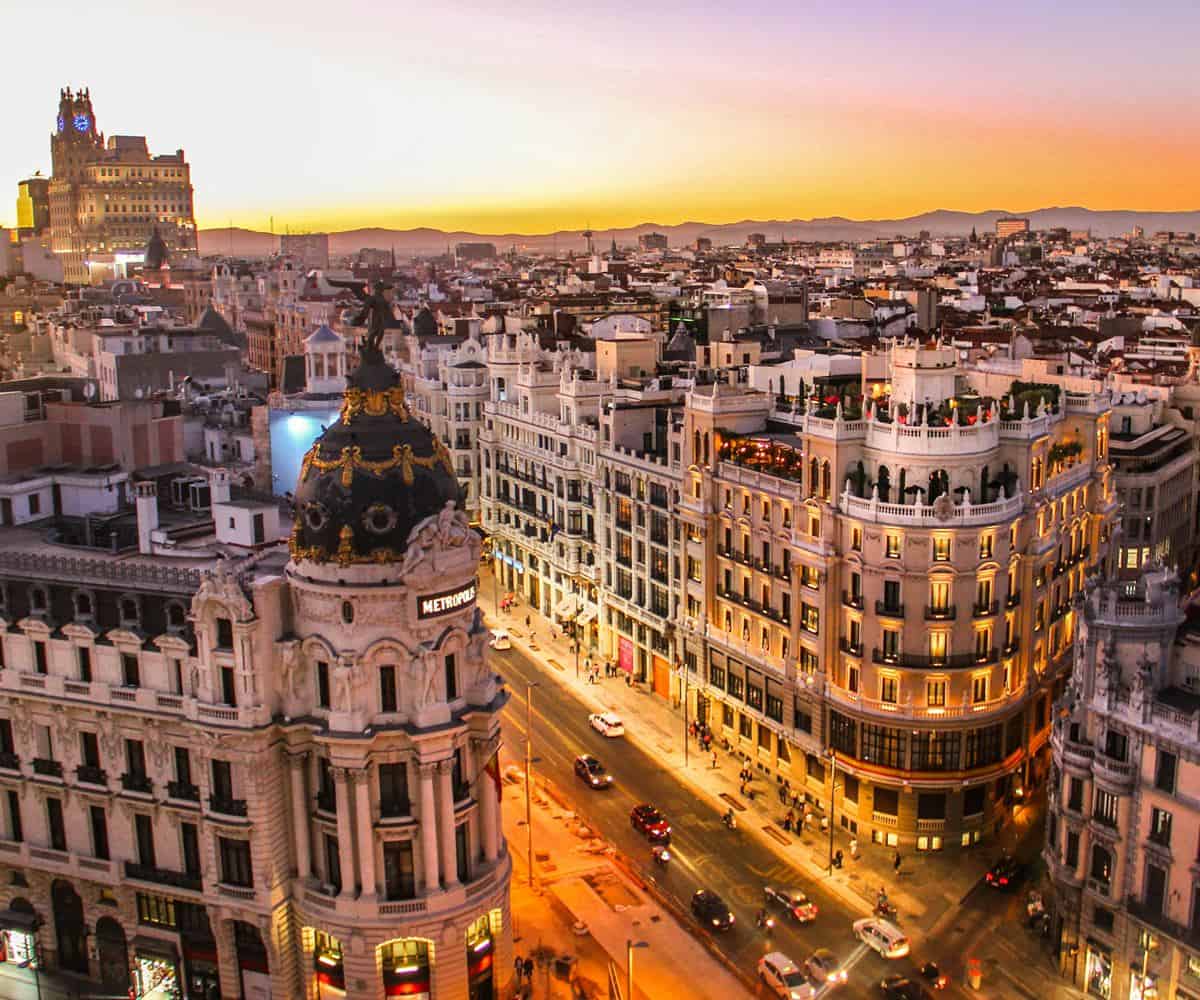
There’s been a quiet shift happening within Europe. While Paris has leaned on its legacy and London continues to grapple with its damp days, Madrid has been subtly positioning itself as one of continental Europe’s most exclusive luxury havens in what has become something of an Iberian Renaissance.
A mere two-and-a-half-hours flying time from London takes travellers to a very different capital, with less rain and Mediterranean sunshine that unlocks an altogether different atmosphere. Madrid is a city with a seemingly different pace of life, yet one that can still be enjoyed on a long weekend visit from the UK. The official tourist board of Madrid City Hall invites you to linger over lunch until well into the afternoon or experience an evening of true sophistication with some suggestions that will help you maximise your enjoyment of a Madrid short break.
The most exclusive luxury hotels in Madrid
Let’s start with where to stay. Madrid has no shortage of luxury hotels to choose from, with a range of upscale accommodation to lay your head for the night, including Grand Dames and exclusive rooftop sanctuaries. In fact, there are more than 30 five-star hotels to choose from in the city. Here are just a few options to consider for a short visit:
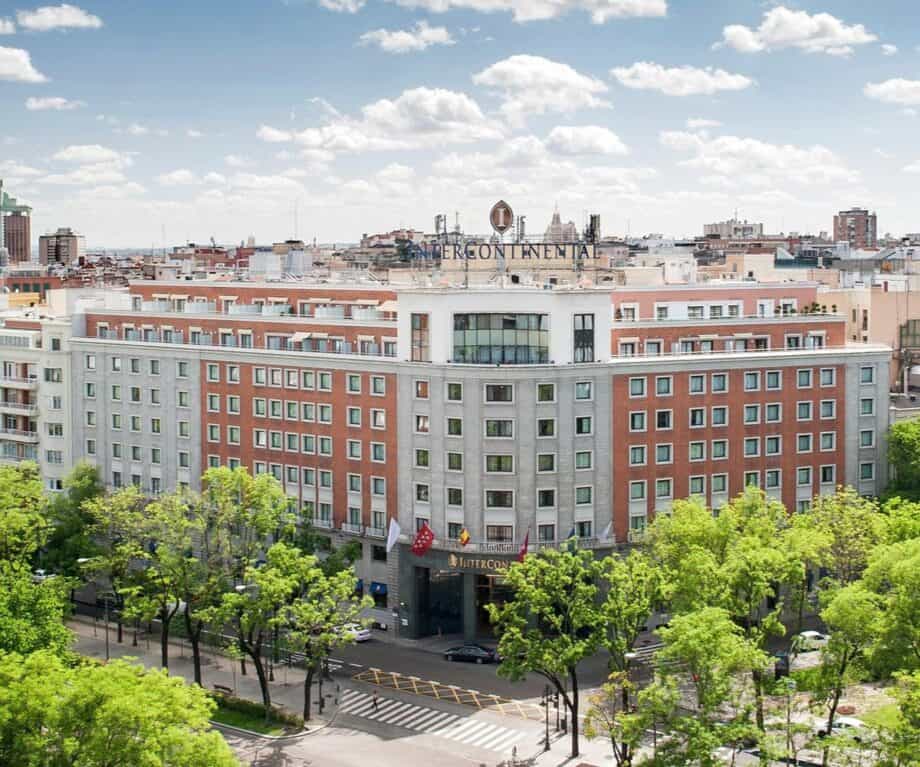
InterContinental Madrid
You will find the InterContinental Madrid on the northern tree-lined Paseo de la Castellana. It is a Grand Dame that operates with the discreet precision of a private club. It opened over 70 years ago and has consistently been a stay of choice for Hollywood royalty and heads of state. When you see its old-world diplomatic grandeur and grand marble courtyards, you can see why. Somehow there’s a sense of quiet luxury and you can quickly imagine how the hotel lobbies once served as the living rooms for global diplomacy. For the most luxurious of stays, request the Ava Gardner Suite – it is a stunning 97-square-metre sanctuary with a vast private terrace. And that very terrace is where the actress famously hosted late-night soirées during her years living in the capital.
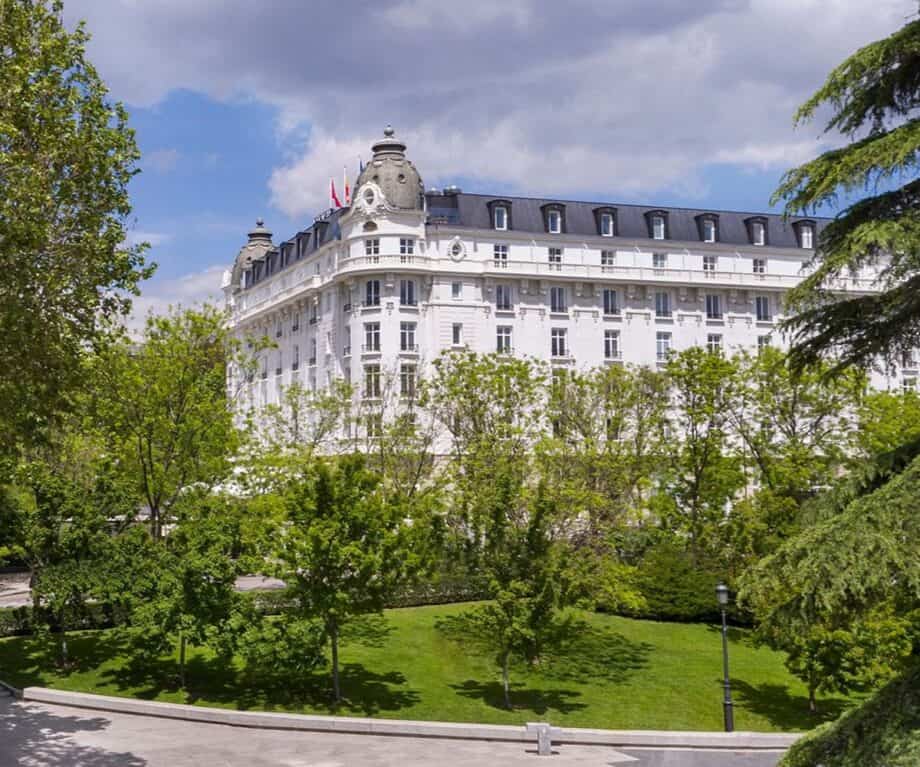
Mandarin Oriental Ritz, Madrid
Give some thought also to Spain‘s first ever grand luxury hotel which opened over a century ago, in 1910. Originally named The Ritz Madrid, this Belle Époque magnificence was meticulously restored by French designers Gilles & Boissier. The Mandarin Oriental Ritz Madrid, as it is now known, is situated on the elegant Plaza de la Lealtad and overlooks the grand Paseo del Prado boulevard. Inside, you’ll marvel at the natural light that passes through the restored glass dome of the Palm Court, as well as crystal chandeliers and a pristine modernism that is perhaps unlike any other hotel you’ve been in.
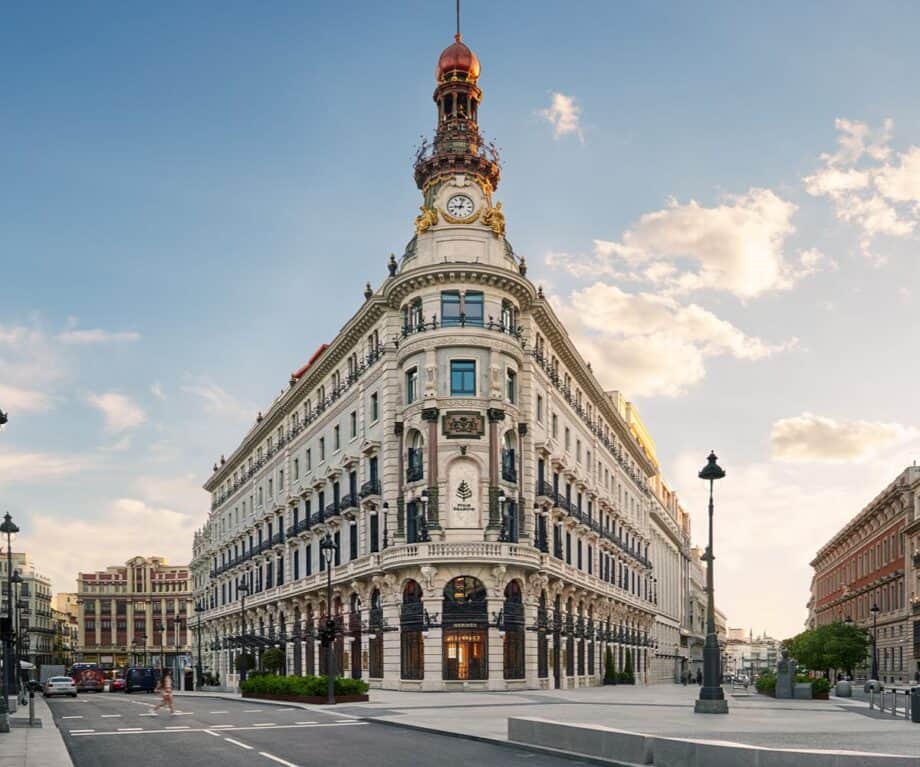
Four Seasons Hotel Madrid
Occupying seven merged historic buildings in the heart of Madrid, the modern ultra-luxury Four Seasons Hotel Madrid is an architectural tour de force anchored at the crossroads of Madrid’s revival, blending historic banking halls with sleek, polished marble and contemporary Spanish art. Here you’ll find what is undoubtedly Madrid’s most exclusive rooftop scene, which includes Dani García’s lively brasserie and where the skyline of the city unfolds in all its 360-degree glory. Also not to be missed is the largest spa in Madrid, spread over four storeys where you can enjoy a wide range of treatments including exclusive massage that uses diamond dust and damask rose oil.
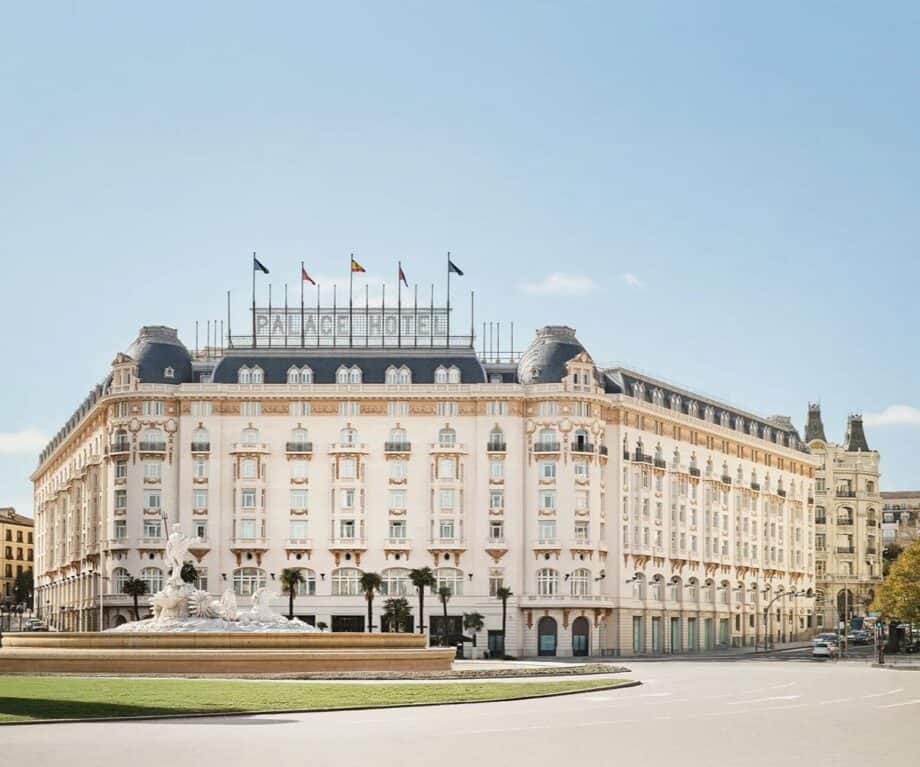
The Palace Hotel, Madrid
First opened back in 1912 — King Alfonso XIII actually pushed for it — The Palace Hotel sits right in Madrid’s Golden Triangle of Art, just steps from the Prado. It’s got that grand, old-world European vibe the moment you walk into the lobby, though it’s operating as a Luxury Collection hotel these days. The glass cupola in the centre is absolutely stunning when the light hits it, and the guest rooms carry that same classic elegance. For sheer historical weight and an unbeatable location, it really is a gem.
Discovering Madrid’s hidden cultural scene
The culture in Madrid is not to be missed but better experienced through private out-of-hours museum tours, behind closed doors and away from the hustle and bustle of everyday life in the city. Special access passes can be arranged through your hotel concierge.
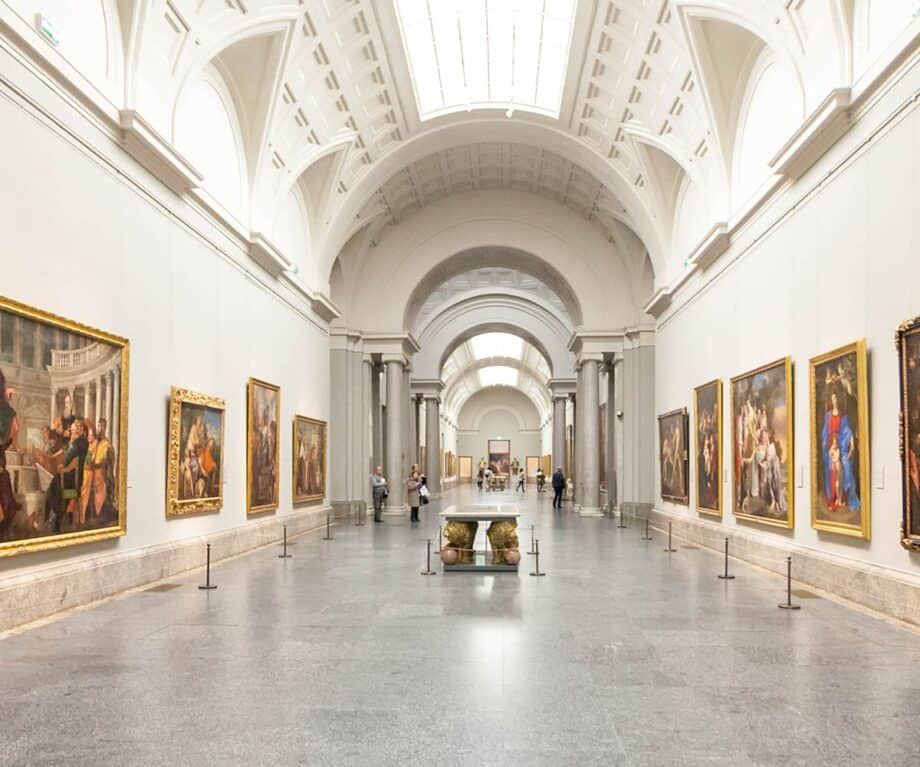
For example, an expert art historian can guide you through the Prado’s quiet halls at 8:30am before the doors officially open to the public, and so without the pressing crowds, or after 8pm, making your viewing of Diego Velázquez’s 1656 oil painting, Las Meninas, and other works of art all the more memorable. When the heavy oak doors click shut behind the general public, you’ll be treated to an altogether different experience. Everything is more tranquil, more exclusive, and easier to appreciate.
Similarly, you can visit the Thyssen-Bornemisza National Museum out-of-hours with a tour led by a museum historian or your own private guide, where access to the restricted restoration department is also possible.
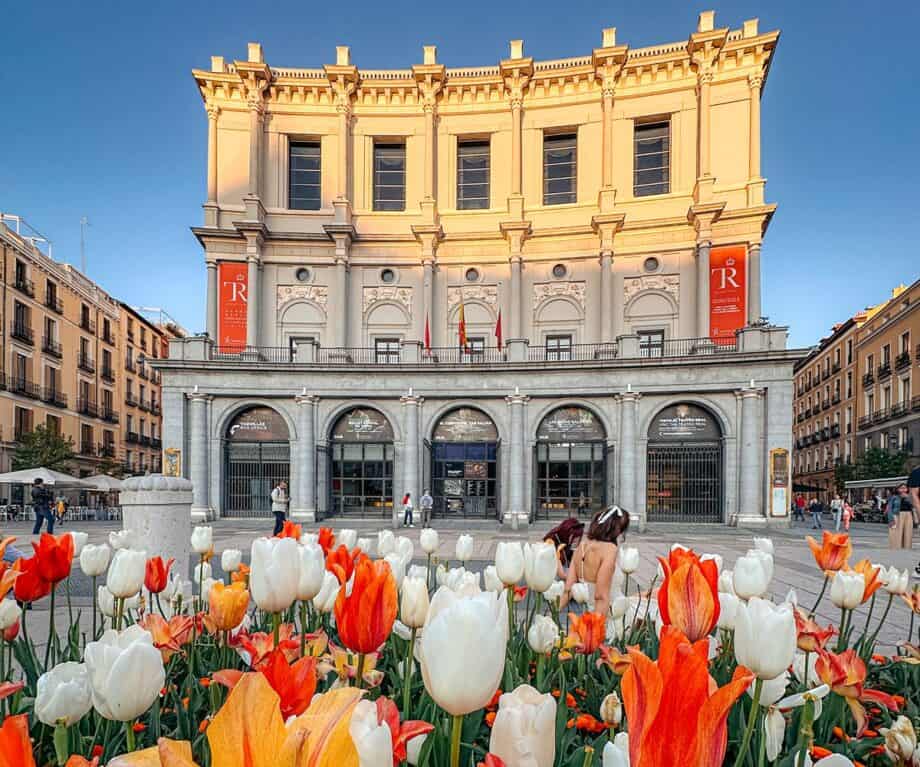
If art galleries or museums are not your thing, then how about backstage access at Teatro Real? This is one of Europe’s premier opera houses with flawless acoustics. Secure the Real VIP Experience and glide past security into the Royal Box area before embarking on a backstage journey through costume workshops and set rehearsals. An aperitif of Laurent-Perrier on the theatre’s terrace overlooking the Royal Palace, and a private box for the performance, completes the experience.
Exploring green Madrid
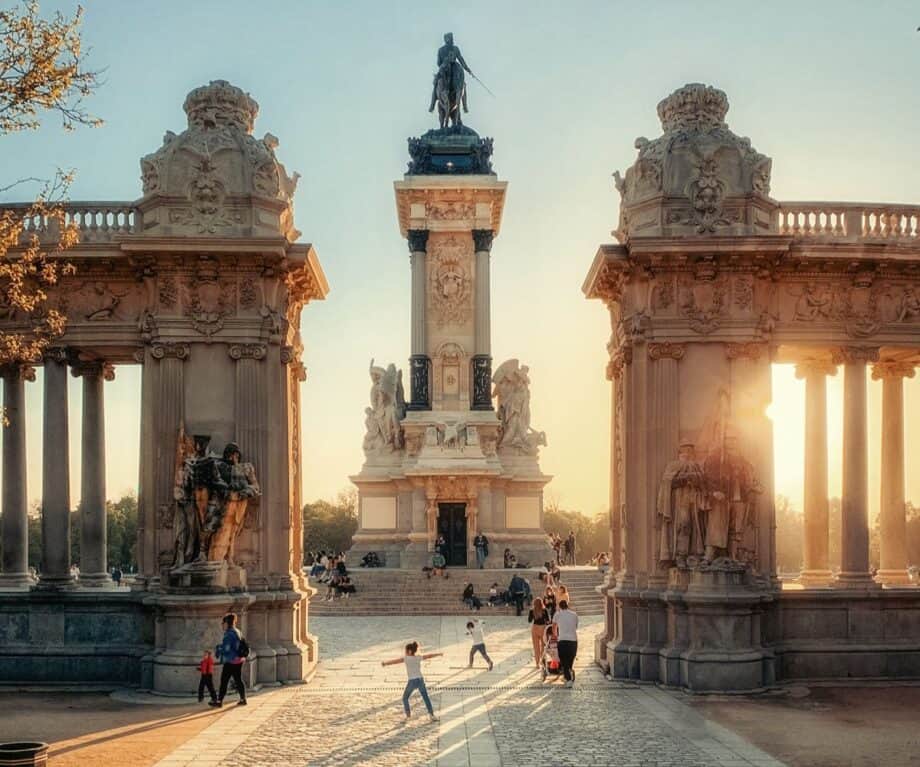
Madrid is a very green city, too, with some 200 parks and gardens covering almost one quarter of the city’s total municipal area. Key green spaces include Casa de Campo (over 1,700 hectares, with vast forests, a lake, and hiking trails) and El Retiro Park (a famous 125-hectare historic park, with a large boating lake, in the city centre).
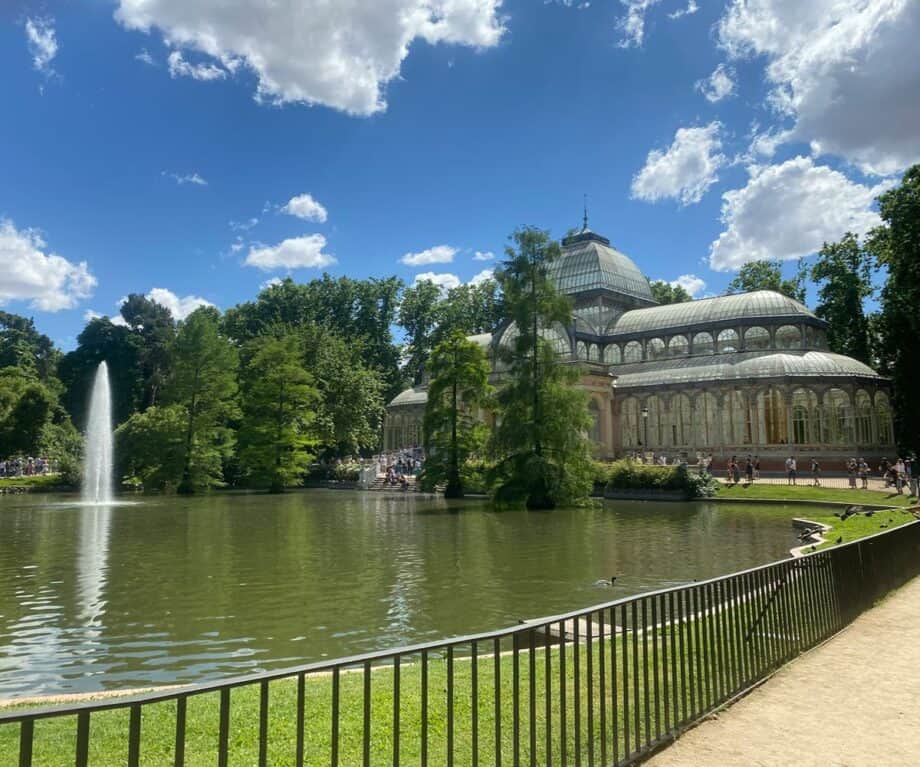
With just 5 days, a visit to the UNESCO World Heritage landscape of Paisaje de la Luz is a must. Stroll along the Paseo del Prado – a serene, tree-lined artery beneath a canopy of ancient plane trees – before entering adjacent El Retiro Park to discover the glass and iron splendor of the Palacio de Cristal.
Everything you need to plan your trip in 2026
🌟 Luxury hotel deals from Booking
🏡 Vacation rentals from VRBO
✈️ Flights from KIWI
🛫 Private jets from Private Jet Finder
🅿️ Airport parking from ParkVia
🛋️ Airport lounges from Priority Pass
🚖 Airport taxis from Welcome Pickups
🚗 Car rentals from Discover Cars
🚐 Luxury RV rentals from RVshare
🚢 Cruises from Cruise Direct
🛥️ Ferries from Direct Ferries
🎫 Attractions tickets from Tiqets
🏞️ Tours from Viator or GetYourGuide
🛡️ Travel insurance from Safety Wing
🏥 Medical insurance from World Nomads
🧳 Luggage from Case Luggage
🛅 Luggage storage from Stasher
📚 Travel guides from Lonely Planet
📕 eBooks from Kindle Unlimited
🎧 Audiobooks from Audible
🎬 Movies from Prime Video UK
🎵 Music from Amazon Music UK
💶 Travel currency from Wise
📱 SIMs from SimOptions
🌐 VPNs from ExpressVPN or NordVPN
🛂 Visas from iVisa
Gastronomy in Madrid
Spain is famous for its vibrant ingredients, communal dining and world-class culinary innovation, and Madrid is no exception. Its culinary identity is a dual force: the ancient reverence for single-ingredient perfection alongside avant-garde experimentation.
There are over 30 Michelin-starred venues, including the 3-star DiverXO restaurant led by chef Dabiz Muñoz, who has been named World’s Best Chef multiple times. Other starred venues include Smoked Room (2 Stars) – Dani García’s exclusive 14-seat counter omakase focused on high-end fire, ember, and smoke techniques – and Desde 1911 (1 Star) – the ultimate temple to Spanish seafood, operated by historic fish merchant family Pescaderías Coruñesas. Interestingly, Madrid is widely considered Spain’s premier market for fresh fish and seafood (despite sitting in the landlocked centre of the Iberian Peninsula) due to the hyper-efficient central distribution network known as the Mercamadrid.
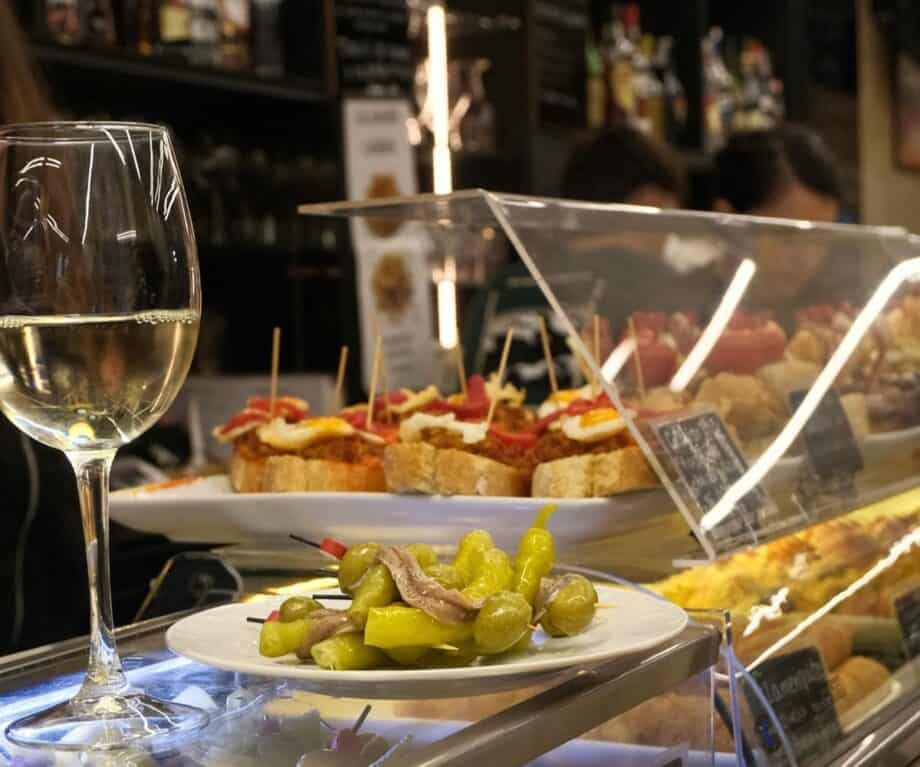
But to dine more like a local, you would graze from bar to bar rather than sit for a meal. El tapeo is the social tradition and lifestyle in Spain of going out to bars to eat tapas and drink with friends or family. And with so many historic taverns to choose from, including old-school spots such as Bodega de la Ardosa (try the homemade croquettes), Casa Lucio (try the huevos rotos – crispy fried eggs on a freshly sliced potato chip), Casa Labra (try the crisp cod fritters), and La Casa del Abuelo (try the gambas al ajillo). This is a dining experience and form of socialising that you really should try, and arguably more so than any of the Michelin-starred options.
Bespoke shopping in Madrid
High-end luxury shopping is available at every turn in Madrid. The city rivals the likes of Paris and Milan when it comes to designer boutiques. A great starting point is Galería Canalejas and the Salamanca district. You’ll come across an enclave of high fashion, including flagship boutiques for Hermès, Cartier and Rolex, to name just some. Venture to Calle de José Ortega y Gasset where you’ll encounter private, appointment-only shopping suites.
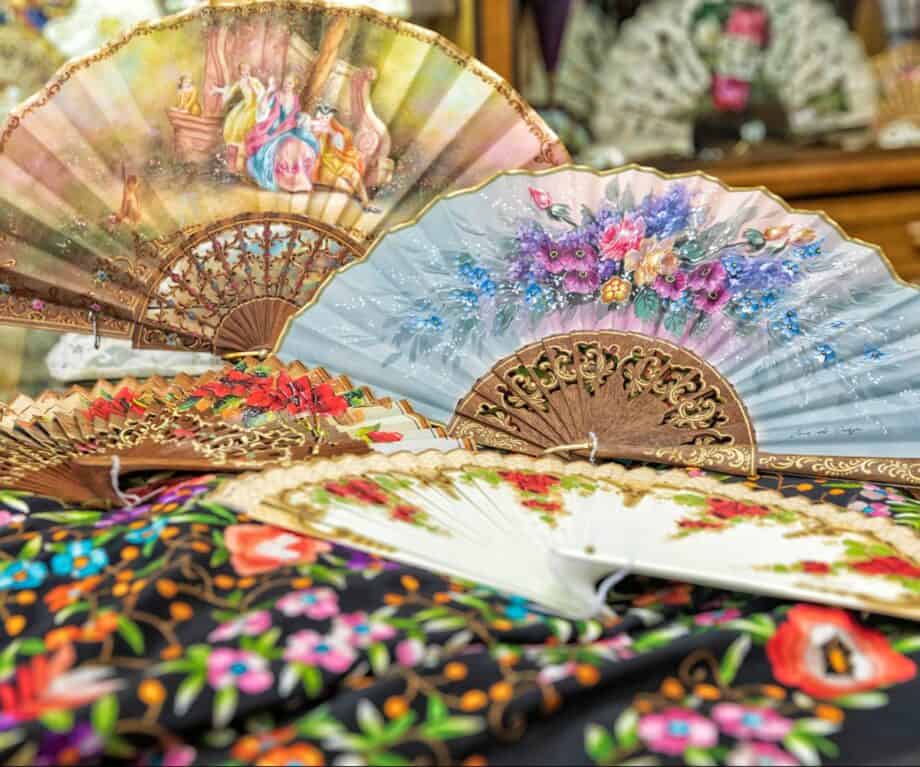
But there’s more to Madrid’s shopping scene than just designer stores. The city’s true shopping secret is the historic workshops (talleres) where you’ll find master artisans craft heritage items using centuries-old techniques. These heritage craftsmen are highlighted by the “Hecho en Madrid” (Made in Madrid) label – the official quality and origin seal that’s promoted by Madrid City Council to celebrate traditional and high-quality local manufacturing. You’ll particularly see it in products hailing from neighborhoods such as Malasaña, Chueca, and Barrio de Las Letras.
Additional stops to look out for include Capas Seseña, where you’ll find the world’s only shop dedicated exclusively to handcrafted, bespoke wool capes since 1901 (worn by Picasso, Hemingway and modern royalty); and Casa Diego, where handcrafted silk fans and umbrellas are made by hand in small central ateliers.
Authentic flamenco in Madrid
Whilst flamenco’s undisputed home might lie in the Andalucia region of southern Spain some 300 kilometres away, the tradition is alive and well in Madrid. The city established itself as the global capital for this rich and complex performance art because performers moved there in the 19th and 20th centuries to find work.
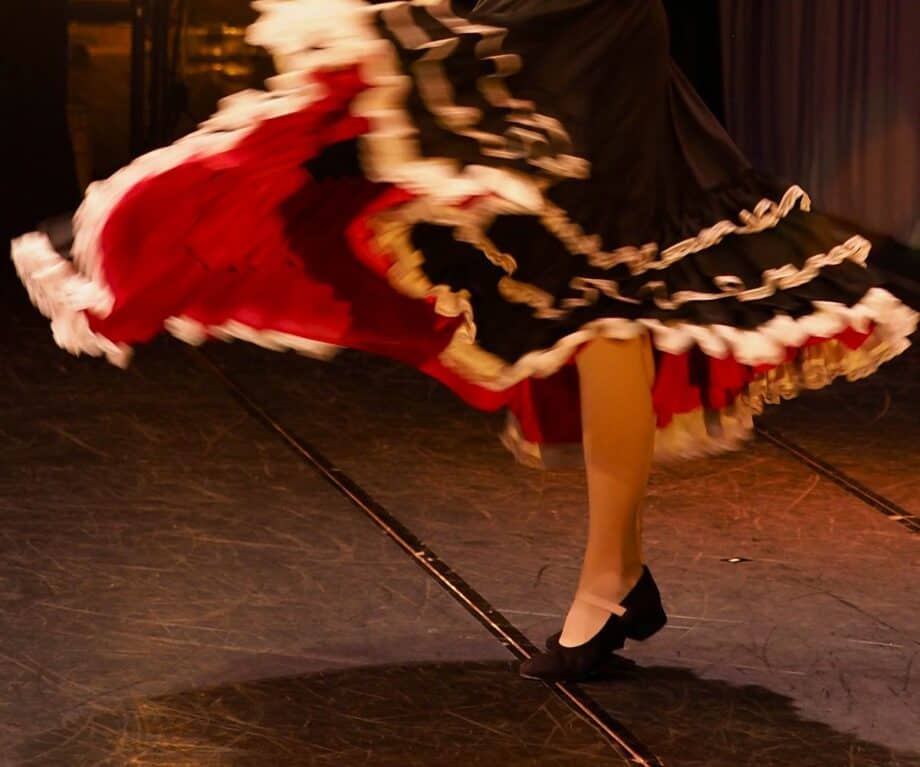
Today, that tradition lives on and you can experience authentic flamenco if you avoid the tourist traps in favour of more intimate, authentic performance spaces where duende – the elusive soul of flamenco- is felt in every strike of the heel.
Reserve a front-row seat at Cardamomo or step into the Moorish-tiled surroundings of Torres Bermejas to experience an evening of raw emotion, acoustic guitars, and improvisational song delivered in vaulted brick cellars where you are just inches away from the action.
Disclosure: This post is sponsored by the official tourist board of Madrid City Hall.

Paul Johnson
Paul Johnson is Editor of A Luxury Travel Blog and has worked in the travel industry for more than 30 years. He is Winner of the Innovations in Travel ‘Best Travel Influencer’ Award from WIRED magazine. In addition to other awards, the blog has also been voted “one of the world’s best travel blogs” and “best for luxury” by The Telegraph.
Did you enjoy this article?
Receive similar content direct to your inbox.