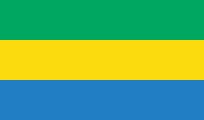
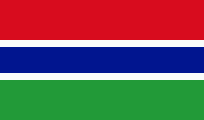
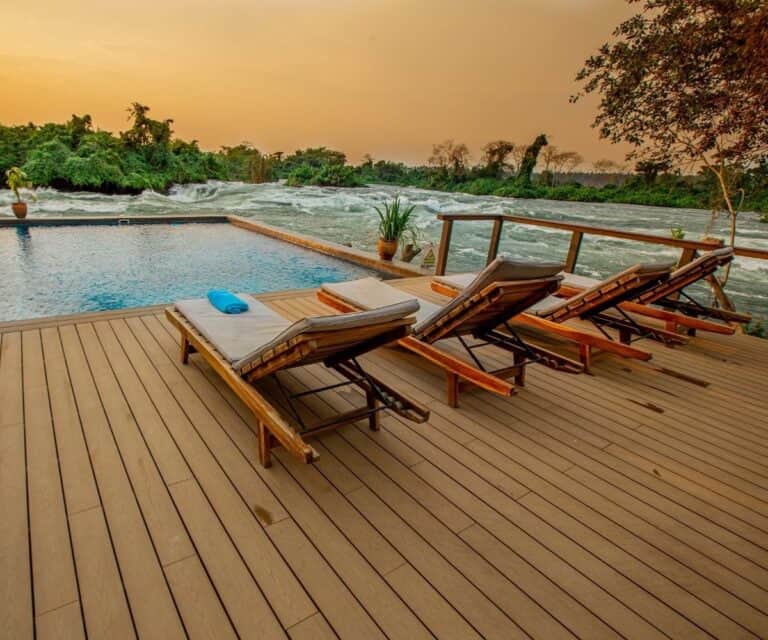
The Gambia in West Africa has been a popular destination for many years for seekers of winter sunshine. It is the smallest country on mainland Africa and is surrounded on three sides by its big brother, Senegal, with a small strip of coastline along which a thriving tourist industry has developed.
Justifiably known as ‘the smiling coast of Africa’, The Gambia enjoys spacious sandy beaches that are never crowded; it is politically stable and the official language is English so there’s no communication problem. Plus if you are travelling from the UK it’s just 6 hours flying time away and in the same time zone so you don’t have to worry about jet lag – perfect!
There are numerous value and mid-range hotels to choose from but there is also now a good choice of excellent luxury and boutique hotels as well. Here are my top three:
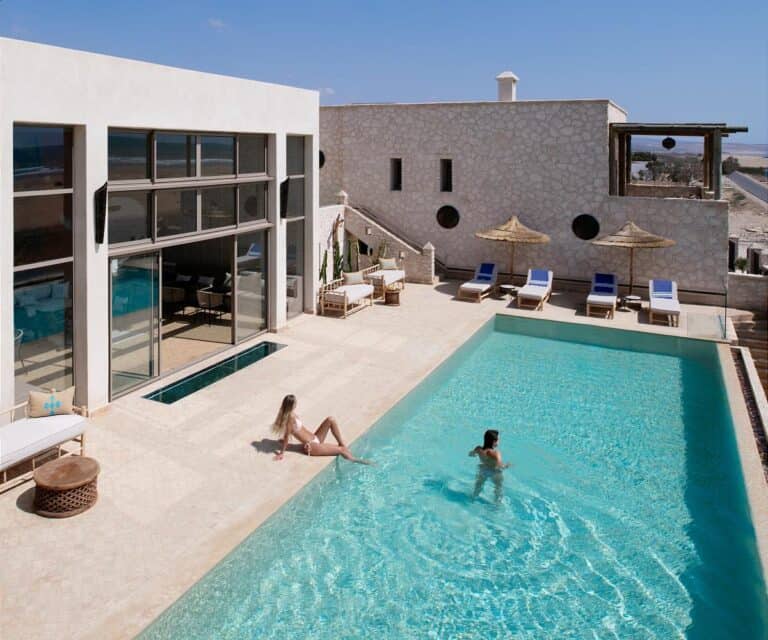
The most opulent hotel in The Gambia, Coco Ocean has become a firm favourite with the discerning traveller seeking the height of luxury under the heat of the African sun. With acres of tropical gardens, stunning Moroccan inspired architecture, a number of swimming pools and superb restaurants, private beach frontage and a spa featuring a Thalasso pool, Hammam, Finnish sauna and a gym, it is the ideal place to relax and unwind and is perfect for a honeymoon or special anniversary.
If you prefer a more intimate, boutique style hotel Ngala Lodge, perched on the cliff tops on the outskirts of Bakau, is an excellent choice. With reputedly one of the best restaurants in The Gambia, a small private beach, spacious grounds and a swimming pool, this child-free hotel is popular with repeat guests and offers luxury without being pretentious. While the standard suites are extremely good there are various upgrades available including the stunning Atlantic suites, which feature a private Jacuzzi on the terrace or balcony.
Imagine waking up in a four-poster bed with a view across the river from your floating lodge in the heart of the African bush. With just eight lodges (some on the river and some set back in the forest), an ethos of benefitting the local population and protecting the forest, Mandina Lodges offer the perfect base from which to get to know the real Africa and makes a great add-on to a beach holiday. You will not find energy consuming fridges or air-conditioning in your eco-chic accommodation but you may just find a baboon in your open-air bathroom!
Having opened in December 2011 Jumeirah Vittaveli is already gathering outstanding reviews and it’s little wonder with the Beach Villa lead-in room types spanning an interior of a whopping 184 sq m. It’s space, comfort and luxury all the way as each villa comes with its own private L-shaped swimming pool with furnished sun deck, fully stocked wine cellar, exclusive stretch of beach, massage and dining Sala and a host of in-room gadgets like the Apple media centre and BOSE sound system with iPod and complimentary Wi-Fi internet access. Deep breaths…

Due to open at the end of May is the latest offering from Anantara who brought Qasr al Sarab and Desert Islands Resort & Spa to prominence in the Abu Dhabi desert. Eastern Mangroves will be an inspired Arabian and Colonial styled fusion hotel of 224 rooms and suites across five levels. The hotel forms part of an integrated hotel, marina, retail and residential zone known as the Eastern Mangroves district which is set away from the city life of central Abu Dhabi and its Corniche. Here you’ll find invigorating spa, expansive infinity pool, retail shops and an intimate Thai restaurant serving the finest Asian cuisine.
The brilliantly named Impossible Beach is the destination for this stunning new spa resort with cliff’s edge infinity pool and modern hillside moored penthouses with floor to ceiling glass windows. A secret cave is available for private dining experiences and despite the classic luxury concept, a kids club will sway those travelling with families looking for a deeply romantic, spiritual escape. From guided elephant trekking excursions to sunset temple tours and diving and water sports to Indonesian cookery classes, guests have a wide range of activities should they wish to venture away from the pool or spa.
Set to open on 1st March is this new Indian Ocean offering from the group responsible for the lavish Emirates Palace in Abu Dhabi. Located on Mahe around 30 minutes from the international airport, Kempinski will boast a long stretch of white sand beach, a casino, spa with five treatment rooms and a host of leisure facilities including a kids club to tempt families. Business facilities will include banqueting and conference rooms for up to 200 delegates – and a total of 144 sea view rooms and suites, including an opulent Presidential Suite.
The newest addition by Per Aquum who brought us Huvafen Fushi Maldives and Desert Palm Dubai are set to open this exciting double island luxury retreat at the end of February. It’s certainly going to be special; unwind with a treatment at their signature Lime Spa and utilise the services of your own personal Thakuru (butler)- included for all room types. Expect luxury outdoor bathrooms, resort wide Wi-Fi and the piece de resistance – Niyama LIVE – a floating restaurant above the water and below it the very first underwater nightclub in the Maldives which will play host to emerging international DJ’s and musical artistes.
With its anticipated opening this spring, Jumeirah’s portfolio hits Spain for the very first time with this luxury Cliffside resort surrounded by traditional pine forests on one side and the Mediterranean on the other. Guarded by the UNESCO Heritage Tramuntana mountain range, the resort is designed to sensitively blend into the environment with each of the eleven buildings being no taller than three storeys high. World class service will enhance the experience for every guest, the Talise branded Spa will offer a wealth of treatments and 5 restaurants all with perfect sea views will provide the perfect indulgence.
No less than 40 acres make up the Gaya Island Resort, Borneo’s newest addition expected to open in April 2012. Location wise it’s a dream, where a combination of coral reef, golden beach and lush rainforest makes the destination triply enticing – visuals of this island paradise are simply breathtaking. Hill Villas and Two Bedroom Suites form the accommodation in clusters to the expected high specification and when you factor in the integrated spa village and fine Malaysian dining into the equation you begin to realise this is quite some proposition.
Jumeirah’s portfolio expands further still with the creation of this contemporary 5 star business hotel in the heart of Old Town of Dubai. Key highlights include its signature rooftop bar and lounge where you can gaze out over the Creek and golf club as well as a choice of 8 bars and restaurants. If you are visiting here on business then no less than 23 conference rooms are available to book as well as a contemporary ballroom accommodating up to 1000 people.
The prestigious Viceroy hotel chain plan to open their latest luxury resort in the Maldives on the 2nd April, and this will be located on the 17 acre island of Vagaru accessible by seaplane from Male in around 1 hour. Epic bungalows at 192sqm are the lead-in room types, featuring oversized plunge pool, secluded garden, private sundeck with chaise longue and a luxurious living area. The resort is fully Wi-Fi compatible and a range of water sports and PADI diving trips as well as a luxury spa and boutique must be taken advantage of.
A sparkling new concept resort by the Per Aquum group, Nurai defines the height of style and elegance and will be situated on a 130,000sqm private island to the north east of Abu Dhabi city. Comprising of glass walled private waterside residences – each seaside estate will include a concealed beach rooftop garden with spa pool, infinity swimming pool, indoor reflecting pools, concealed service quarters, entertainment patios, outdoor dining areas, chef and show kitchens and outdoor showers. Nurai is reached in 5 minutes by helicopter from Abu Dhabi airport. Expected to open late 2012 or early 2013.
Carole Booth is Commercial Director at Destinology.
Heritage Le Telfair in Domaine de Bel Ombre, south Mauritius has just launched an all new Gourmet Bliss offer for guests staying on a half board basis at the luxury golf and spa resort between February and September 2012. To the delight of foodies and gastro-holiday lovers, the offer can be used for dinner at seven differently themed restaurants across the Domaine de Bel Ombre area for a supplement of just £55 per day per adult and just £27.50 for children under 12.
Gourmet Bliss is valid throughout the day and includes lunch at six restaurants, all drinks including champagne and selected wines, afternoon tea, snacks and even gourmet picnic baskets for tours of the unspoiled, mountainous landscape in the south of the island.
Cuisine is an important part of Mauritian culture which includes French, British, Creole and Asian influences and as such, this offer has been designed for guests to enjoy this varied and rich culinary offering across the Domaine de Bel Ombre. From Mauritian fusion in an elegant 19th century mansion to barefoot chic dining overlooking the ocean, Gourmet Bliss allows guests to enjoy some of the island’s very best gastronomy.
Some of the most memorable dinners take place at Annabella’s, the main restaurant at Heritage Le Telfair. The classic French brasserie style menu includes classic Gallic fare such as venison terrine with pear and apricot or duck confit with ragout. There is also a varied children’s menu available for inclusive family dining and from the large terrace an exceptional view of the Citronniers River as it flows through the resort to the Indian Ocean.
Pan-Asian cuisine at Heritage Le Telfair’s Gin’ja restaurant is a must do experience. From sushi and teppanyaki to noodle and rice dishes, the modern lifestyle restaurant set on a picturesque stretch of white sand beach presents the ultimate barefoot dining experience and serves the best poached lobster. A relaxed beach style service at lunchtime is replaced with a more elegant à la carte dining experience in the evening.
The Gourmet Bliss formula includes:
- Breakfast at Heritage Le Telfair’s main restaurant Annabella’s
- Lunch at one of six restaurants in the Domaine de Bel Ombre region
- Afternoon Tea at the Cavendish Bar at Heritage Le Telfair
- Dinner at up to seven different restaurants in the Domaine de Bel Ombre
- Selected ‘ à la carte’ menu or buffet as per daily choices
- Full ‘à la carte’ menu in all 12 Domaine de Bel Ombre restaurants against food credit of 1000 rupees per person
- All drinks including beers, soft drinks, juices, selected house wines and unlimited champagne by the glass in all bars and restaurants in the Domaine de Bel Ombre
- Picnic baskets for lunch when going on excursions
The world is filled with wonderful places to go as a family, but a few really stand out – some for their cultural offerings, some for their activities, some for their wildlife, and some for a combination of the above.
1. Argentina
This trip really had it all – lots of outdoor activities, a taste of local culture, and plenty of variety. From boat rides and polo lessons in Buenos Aires, to horseback riding on the pampas, to hiking the Perito Moreno glacier, to zip-lining through the rainforest at Iguazu Falls, Argentina’s opportunities for light adventure are practically limitless. It’s also a very family-focused culture that welcomes kids even at a black-tie New Year’s gala. I would say this is still our all-time favorite family trip.
2. African Safari
There was a time when kids weren’t allowed on most safaris, but that has changed. Not only is it safe (with sensible precautions), it’s an adventure your family will never forget. We’ve gone on safari twice – they were enchanting but very different experiences. In Tanzania, we followed the animals in our mobile tented camps, and had the same guide the whole time, which was great for continuity. In Botswana, we stayed in established lodges, and did safaris by boat and elephant-back. In both places, we were far removed from the usual distractions, and we got to see exotic animals in the wild – a thrill which never gets old.
3. London
Medieval castles, spooky dungeons, vast gardens, high tea and royal guards – London may be the word’s best city for a family holiday. There’s something here to capture everyone’s imagination. My daughter, a budding artist and journalist, loves the National Gallery and British Museum, while my sons and husband are fascinated by Churchill – I’ll never forget their excitement at visiting Parliament and the Imperial War Rooms. But the thing we all like most is exploring the diverse neighborhoods, quiet lanes, and sprawling parks of this cosmopolitan capital.
4. Greek Islands
We’re big fans of boating holidays – you unpack only once, start each day somewhere new, live in swimsuits and coverups, and have time to really bond as a family. Some of our best boating trips have been Greek Island cruises, filled with variety and simple pleasures like swimming, snorkeling and exploring caves. Best of all, we had knowledgeable, capable captains and kid-friendly crews who not only took care of but anticipated our every need. Talk about relaxing!
5. China
There are few places better than China for broadening your kids’ cultural experiences (and your own). Everything is fascinatingly different here, from the toys to the cuisine – and it all seems designed to delight and entertain kids. To make the most of it, avoid Westernized tourist options and instead plan interactive activities that let them explore the local culture, like dumpling-making lessons, calligraphy classes, or putting on traditional costumes and makeup at the Beijing Opera. My kids loved everything about this trip: the junk-boat cruises, the acrobatics shows, and especially the terracotta warriors in Xi’an!
The Ruaha National Park is one of Tanzania’s most remote and least visited safari parks. It covers a large area and consists of a dynamic mix of vegetation and wild life that sets it apart from the other Tanzania safari reserves. The park stretches for thousands of miles from the icy snow capped peaks of Mount Kilimanjaro to the deep valleys and hills of the Great Rift Valley to the vast and game rich plains of the Serengeti. The Ruaha National Park is also well positioned to make the most of the beautiful Indian Ocean coastline.
The reason why the park does not receive many visitors is because it is relatively inaccessible. It has more game viewing opportunities than the neighbouring Selous but it does not offer any boating safaris. There are excellent predator concentrations as well as good numbers of elephant and buffalos that roam the plains in large herds. There are very few camps in the Ruaha – so relative to its size, it offers an excellent opportunity to enjoy a truly remote Tanzania safari experience.
The Ruaha National Park is a dry season park and the game viewing gets better towards the end of the season when the waterholes are beginning to dry up, and the game congregates in large herds at the remaining water supplies. There are good game viewing opportunities throughout the year but during the low season you are pretty much guaranteed not to come across any other visitors. The best time for bird watching is between the months of December to March.
Rebecca Sparrow is Marketing Manager at Safari.co.uk.
Doha in Qatar was host of the Grand Final of the 2011 World Travel Awards last week, which saw the best of the best throughout the world of travel awarded for their services to the industry. The Wall Street Journal recently dubbed the awards as the ‘Oscars of the Travel Industry’, and it’s not hard to see why – the crème de la crème of the industry turned out to this prestigious ceremony, which marked the culmination of a whole year’s searching for the top hotels, airlines, tourist boards and even marketing campaigns and more, with each award winner chosen by a panel of highly regarded consumers and industry professionals.
An abundance of honours were handed out at the do, with arguably the top award of the night going to Jumeirah, who received the esteemed World Excellence in Service award, as well as Etihad Airways, who went home with the gong for World’s Leading Airline award for the third time in three years.
Although there are so many new contenders in the All Suite Hotel category, the lavish Burj Al Arab proudly received this accolade, and not for the first time either – Burj has taken home this award on a massive seven occasions in the category’s 13 years! The hotel was also proud to receive the overall award for World’s Leading Hotel – again for the seventh year in a row!
Mardan Palace in Turkey won the World’s Leading Luxury Resort prize, while Jebel Ali Golf Resort & Spa took home the award for the World’s Leading Family Resort, and One&Only The Palm in Dubai was named as the World’s Leading New Resort.
The island of Jamaica was the winner of the World’s Leading Honeymoon Destination award, which has been traditionally won by a Caribbean isle since 2001, but is the first time that Jamaica has been awarded the prize. Previous years have seen this category won by Antigua & Barbuda, Barbados and most abundantly of late, St Lucia.
The World’s Leading Eco Resort & Spa award went to the delightful Thai resort of Soneva Kiri by Six Senses, while the World’s Leading Eco-Lodge award was presented to South Africa’s Sanbona Wildlife Reserve, Dwyka Tented Lodge. Trou Aux Biches in Mauritius, which re-opened its doors towards the end of 2010 after a full refit, won the award for World’s Leading Beach Destination.
It was a wonderful night for the travel industry, and we are very pleased that so many of our airline, tourist board and hotel friends were rewarded for their services to travel during 2011.
Carole Booth is Commercial Director at Destinology.
The first reports came in last week from the guides in the Serengeti; the Great Migration has started calving! Is now the very best time to be in the Serengeti? Many experts believe this is the finest time to witness the herds. Travel now and the Serengeti is lush and green, alive with wildlife and pumping with action. The calving season will last for the next six weeks, with approximately 8,000 young wildebeest born every day in the peak calving period. Witnessing a newly born calf capable of running in a matter of minutes is one of nature’s most incredible events.
It is also now that the Southern Serengeti and Western Ngorongoro Conservation Area (around Lake Ndutu), host the highest concentration of predators anywhere in Africa. Huge lion prides, spotted hyena clans, and high concentrations of cheetah patrol the vast short grass plains. With approximately 500,000 wildebeest born in a matter of months, there is a huge amount of predation.
The concentration of predators guarantees a healthy wild environment with the full plethora of Africa’s big game on show. The cats and the wildebeest herds however are the main attraction with the next two months regarded as the finest times to witness cheetah hunts anywhere in Africa. The lion prides here are equally impressive. Found virtually everywhere, prides often number over twenty individuals and are ruled by some of the most impressive males to be seen anywhere.
Other predators include huge numbers of spotted hyena, jackal as well as the prize spots – honey badger, aardwolf and the lesser known cats, caracal and serval.
So why are the herds here?
Drawn by the countries short rains, November and early December saw the Migration move down from the Northern Serengeti to the short grass plains of the Serengeti and Ngorongoro Conservation Area. Each and every wildebeest you ever see was born here.
Due to the volcanic fertility of the soil, enriched by hundreds of years of volcanic eruptions from various Rift Valley volcanoes (notably Oldonyo Lengai recently), the grasses are particularly rich in minerals, including phosphorous. Phosphorous is found in every cell in a wildebeest body. No other mineral is more important and there are no richer phosphorous grazing grounds than the southern short grass plains; the perfect place to raise young.
The last few weeks has seen the herds spread out with wildebeest stretching all the way from the southern Serengeti to the south of the Loliondo reserve and Western Ngorongoro Conservation Area. For the next two to three months they will stay in the area, constantly moving and following the rains in the search for new shoots and the richest grasses. All the while, they will be raising their young, under watchful eyes!
This high risk game continues until the dry season starts – when a combination of lack of food and permanent water means the herds face no alternative but to migrate north to the lush grazing grounds of the northern Serengeti and Kenya’s Masai Mara. This ‘Great Migration’ will take place anytime throughout April, May and early June with the herds finally reaching their destination from the beginning of July onwards.
Where to stay?
Calving season is the time of the Serengeti’s mobile camps as none of the Serengeti’s super luxurious camps have good locations for the herds. Our favourite, Alex Walker’s Serian, has the best location from which to view the herds from December through to late March. This truly exceptional mobile camp has a quieter location away from the busier Ndutu region but remains within easy reach of the prolific big game areas. Loved by us for its charismatic hosts and exceptional guides (Alex himself and John Moller), Alex Walker’s Serian offers game driving, village visits to some of Tanzania’s most remote tribes as well as walking safaris and trips to the Ngorongoro Crater. There is also the opportunity for clients to set off on private mobile expeditions down onto the Rift Valley and around the northern shores of Lake Eyasi.
Greystoke, Mahale Mountains National Park – Western Tanzania
Located in Tanzania’s remote Mahale Mountains National Park, Nomad Tanzania’s Greystoke stakes its claim as one of the finest camps on the continent. A worthy contender for the most striking design of any camp, Greystoke sits on an idyllic beach at the bottom of a chimpanzee filled mountain range on the edge of Lake Tanganyika. Greystoke is one of Africa’s most iconic lodges. Offering an experience that of an exceptionally high quality, yet one that cannot be described as overtly luxurious, Greystoke is a camp that epitomises the adventure of African travel. Amazing sunsets and the clearest possible skies are the norm here whilst the chimpanzee viewing is the finest in Africa.
Tafika and Remote Africa’s bush camps, Luangwa Valley – Central Zambia
The Luangwa Valley is the National Park that safari enthusiasts savour the most. High quality camps, superlative guiding, high game densities and the best walking safaris in Africa tick the boxes for what, makes one safari park better than others. The company that epitomises the Luangwa valley is John Coppinger’s Remote Africa. One of the very few owner run companies left in Africa today, Tafika is Carol and John Coppinger’s home. This beautiful camp has a team of exceptional guides operating some of Africa’s finest walking safaris into the North and South Luangwa at Crocodile Camp, Chikoko and Mwaleshi.
Beho Beho, Selous Game Reserve – Southern Tanzania
Sitting up in the hills in the Northern sector of Tanzania’s Selous Game Reserve, Beho Beho is the first of our truly luxurious camps in the top ten. With sweeping views across the valley below, Beho Beho’s stone cottages are quite unlike any other property we work with. Individually crafted from local stone and thatch, the rooms have antique furniture and open fronts along with outside showers and a meticulous attention to finer details. Quite simply, this camp is utterly beautiful yet manages to retain that personal, unpretentious charm that Africa’s remote Wilderness areas deserve. Amazing guiding and some of the best walking anywhere, Beho Beho backs it all up with superb food and service. All of this in the Selous itself – Africa’s oldest and largest Game Reserve; a vast, beautiful area of true wilderness.
Old Mondoro, Lower Zambezi National Park – Southern Zambia
With only four rooms, Old Mondoro is one of the smallest camps to make our top ten. Situated on the banks of the Zambezi in Zambia’s Lower Zambezi National Park, Old Mondoro looks out over an island in the middle of the Zambezi and across to Zimbabwe beyond. Striking the perfect balance of comfort and respect for such a wild and beautiful location, Old Mondoro offers some of the best boating and canoeing on the continent as well as great game drives at day and night and also superb walking. In short, this little camp offers a huge number of different activities in a stunning location.
Located in the North of Botswana’s Okavango Delta, Duba Plains is famous for its incredible lion and buffalo viewing. Trapped on a large island, approximately 1,200 buffalo face the daily challenge of being surrounded by one of the highest concentrations of lion anywhere in Africa. Filmed by National Geographic and made famous by Derek and Beverley Joubert’s two films, the lions of Duba have taken on an almost mythical status. The lions here are diurnal hunters and guests staying in this lovely little camp have the opportunity of witnessing these two beasts of the African savannah at their most ferocious.
Wilderness Safaris’ fantastic Savuti Camp is located in Botswana’s Linyanti Reserve. As with Duba Plains, Savuti Camp is located in one of Africa’s finest private reserves. Paying the high prices of Botswana’s private reserves guarantees you exclusivity; huge tracts of pristine wilderness all to yourself. Savuti sits on the banks of the Linyanti river, flowing again for the first time in 25 years. The camp has an unexplainable charm and a location in a phenomenally good game viewing area. One of the best small camps in Africa, without any doubt.
Tanzania’s Serengeti National Park is the mother of all safari parks. Justifiably famous for the mobile camps that follow the Great Migration herds throughout the year, no list of top ten camps would be complete without a Serengeti mobiles. Alex Walker’s Serengeti Serian is our pick of the bunch, especially from December through to March when the camp offers guests the opportunity of exploring the Rift Valley and untouched tribes, as well as thousands of acres of untouched short grass plains filled with the largest herds on the planet. What we love about this classic camp however is Alex’s determination to keep guests guessing about what they are going to do the next day.
Mombo Camp, Moremi Game Reserve – Northern Botswana
Generally regarded as the finest safari camp in Africa, it came as a bit of a surprise that Mombo Camp didn’t simply cruise into our top ten! Debate raged in the office about whether this camp deserved its place given that the activities from Mombo are so limited; no night driving or walking is permitted and due to the shallow flood plains, no boating is possible either. However, no one was arguing about was the sheer quality of game viewing on offer here. This is the ‘predator capital’ of Africa. And what a beautiful camp. Our conclusion: rightfully in the top ten.
Many of Africa’s finest experiences are more basic than one might expect and the Schoeman’s Kunene Camp on the Kunene river in Northern Namibia is no exception. This camp does not offer bells, whistles and chandeliers, but a simple camp that’s located in the absolute middle of nowhere. Privately guided by one of the Schoeman brothers themselves, your hosted stay at Kunene Camp offers an experience that will genuinely take your breath away, on numerous occasions. Located on the top of a cliff directly above the Kunene river itself, Kunene camp is Africa’s most remote camp, in one of the most extraordinary locations we have ever seen.
The Serengeti’s most expensive lodge, Sasakwa easily makes the top ten. The lodge is as luxurious as any we’ve ever seen, and the sheer volume of cash that is going into the Grumeti Reserve itself (courtesy of an American philanthropist/hedge fund owner) has resulted in a huge protected zone where the Great Migration and the Serengeti’s immense predator concentrations roam free. The lodge is also one of the most brilliantly run properties we have ever seen and offers a huge range of activities including riding
One of the most impressive natural wonders of Africa is the incredible Ngorongoro Crater in Tanzania. The Ngorongoro Crater is part of a larger conservation area that covers vast expanses of savanna grassland and highland plains that are home to a huge variety of animals and birds – many of whom are endemic to the region. The Crater itself is often referred to as “Africa’s Eden” and is a place of great scenic beauty. The Crater is a good year round game viewing destination and combines well with nearby beach destinations in Tanzania and Kenya. It also combines well with a Tanzania safari to the Serengeti, especially during the annual wildebeest migration between the months of June and December. The Crater is known for its large concentrations of predators and other nearby attractions to see including the Olduvai Gorge and the Cradle of Mankind. The accommodation at the Ngorongoro Crater is limited to preserve the natural beauty of the region and avoid huge visitor numbers associated wit mass tourism. The camps and lodges are situate don the rim of the crater and offer a great deal of privacy. The views from the guest suites are breathtaking – especially at the Ngorongoro Crater Lodge.
Ngorongoro Crater Lodge is set on the northern ridge of the crater and the design and architecture has been inspired by the Maasai mud and stick huts that are typical of the region. The interiors are opulent and very spacious and the central living and expansive private decks offer fabulous views over the Crater floor. The quality of guiding is excellent and activities include traditional game drives, walking safaris and cultural excursions to the local villages. The Conservation area is inhabited by about 40 000 Masai pastoralist and the interaction between man and nature in this region is one of Africa’s best examples of peaceful co-existence between humans and animals.
Rebecca Sparrow is Marketing Manager at Safari.co.uk.
Wherever you travel in the world – safety is always a concern. There are risks associated with any travel and Africa is no exception. East and Southern Africa are generally very safe but we would recommend using an experienced and reputable tour operator to make all your travel arrangements. Africa Exclusive has twenty years experience in arranging luxury tailormade safaris. We only use reputable ground agents and have excellent relationships with the camps and lodges in Africa. You will always be accompanied by highly experienced guides and your travel itinerary is triple checked before final documentation is sent out – so you never have to worry about situations like arriving at a destination with no transfer company to greet you. We also have a 24 hour emergency contact number – just in case you urgently need to get in touch with us.
What transport is available in Africa?
South Africa and Kenya have a very well developed infrastructure, so transfers by road are fast and comfortable and there are even options for self drive holidays. More remote safari camps in Zambia, Botswana and Tanzania are usually accessed by a combination light aircraft flight, road transfers or boat transfers. On some itineraries you will be advised to make use of a private charter flight. The light aircraft companies are very well run and only use pilots with exceptional flying ability. They have very high safety standards and guests are required to adhere to strict weight and baggage allowances.
What is the accommodation like on an African safari?
The standard of accommodation on a luxury African safari is world class and the service is exceptionally good. The tented suites are very spacious and comfortable with high end camps offering air conditioning as a standard. The tents all have en-suites facilities and are furnished with proper beds and sofas and occasional tables and chairs. The beds are very comfortable and the bed linen is always a crisp, clean cotton variety. The communal areas are luxurious and usually include a dining room, a lounge, a library and large decks from where game can be viewed. Most of the camps have a swimming pool and an outside entertainment area that includes an open air dining room and a camp fire.
Are there any health concerns in Africa?
Yes, you will need to contact your GP or local travel clinic who will advise you on the necessary health precautions and travel inoculations or preventative medicines. Some parts of Africa carry a high risk of malaria and yellow fever. The standard of hygiene at the high end camps is very good so you don’t have to worry about risks relating to food hygiene.
What type of clothing should I pack?
Africa is a very relaxed place to travel. There are no pressures to dress for dinner and you are encouraged to feel comfortable in your surroundings. If you are visiting some of the more luxurious camps or lodges in South Africa or taking an extended rail journey, then you may be required to dress for dinner. The best clothes to wear on safari are made from comfortable cotton or linen fabrics in cool colours. You will be advised to wear neutral tones like khaki, green or brown – to blend in with the environment. Bold colours like red and orange are not advised as they may disturb the animals. High heels and fashion shoes are not advised and if you are planning to do any walking on your safari, you should pack a pair of walking shoes or trainers. Evenings can be quite chilly on safari so you should take a comfortable fleece to wear on night drives or early morning game drives.
Rebecca Sparrow is Marketing Manager at Safari.co.uk.
The Kempinski Hotel Soma Bay has a great line-up of experiences available this year. Here’s just some of what’s on offer:
Learn a new skill – Arabic cooking lessons
Banish Friday-night takeaways and boring beans on toast with a masterclass in authentic Arabic cuisine now available at the beautiful open-air Al Mar Restaurant. Guests will discover exciting new culinary flavours and delicacies from Egypt, Lebanon and bordering Mediterranean regions. Young and old will return home with a plethora of delicious new recipes added to their culinary repertoire, including Kofta, Mousaka and Taboula. Every guest at the Kempinski Hotel Soma Bay will receive a one hour complimentary cooking class, plus a full chef’s uniform and printed recipes to take home so all meals can be enjoyed again and again!
Improve health & wellbeing – sensational spa experiences
We’re all often guilty of working long hours and not spending enough time on ourselves to totally relax and rejuvenate. Make 2012 the year of self-indulgence and enjoy some quality time at the renowned Kempinski Hotel Soma Bay Spa. There are a variety of exotic massages to choose from including Swedish, Deep Tissue and Balinese plus Shirodhara, Elakkizbi, Ayurvedic and Facial Purification treatments. For an ultimate healing experience, visit Les Thermes Marins des Cascades Spa & Thalasso Centre for a seaweed wrap and underwater massage rich in mineral salts, vitamins and amino acids to truly discover the new you.
Experience new cultures – historical Egypt
This year after a day or two by the pool, why not take an excursion to discover the fascinating history and stories surrounding this captivating country. The Kempinski Hotel Soma Bay is in the ideal location to reach the Ottoman Fortress of El-Quseir dating back to the 16th century and the ancient sites of the Valley of the Kings and Queens, the Karnak and Luxor Temples. The monasteries of St. Paul and St. Anthony are another intriguing insight into the history of the Red Sea Mountains that both still observe rituals that have hardly changed in 16 centuries. Take a walk around the charming self-contained village with gardens, a mill, bakery and churches plus a library that boasts over 1,700 ancient manuscripts.
Try a new activity – beginners kite-surfing & diving lessons
Thanks to its flat water conditions, fantastic sandy beaches and side shore winds, Soma Bay is the ideal location to try your hand at kite-surfing or scuba diving amongst some of the world’s most beautiful reefs. Professionals and beginners alike are fully catered for with video and headset training aids that make learning and improving their wind-surfer skills easier and safer. The Soma Bay Dive Centre also has a 420 metre jetty that extends directly to the reef with electric cars available to carry equipment and divers for effortless access to Soma Bay’s underwater world, perfect for beginners just finding their ocean feet!
A colleague of mine has recently returned from Mauritius, where she hired a car and saw most of the country’s key highlights like Chamarel, Port Louis and Ile aux Cerfs. She commented that ‘off the beaten track bays, beaches, coral reefs and coves suddenly felt all the more accessible due to the veritable small scale of the island. Also, the prices quoted to have a personal driver on top of your car hire is not astronomical; around 20 Euros per day on top of your hire charge’. Kayak through mangroves, ramble through tropical jungle or hire a bicycle and explore the orchards and stunning gardens of Domaine de l’Etoile, this really is a nature lover’s paradise. Of course, beach dwellers will love it here, but there’s so much more than meets the eye, you can even walk with the lions at Casela Nature Park.
Thailand
Ah, Thailand… what a country. So many opportunities from its bustling capital to the sleepy and idyllic Bang Tao Bay. Frenetic adventure or quiet contemplation are equally achievable holidays in Thailand. Want to experience the buzz of Bangkok twinned with an island paradise? Head to Koh Chang. Fancy Thailand but not Bangkok? Fly into Phuket and discover Southern Thailand instead. Choices here include the picturesque Similan Islands where they filmed The Man with the Golden Gun. Or you could catch a boat from Krabi to Phi Phi Island, home to indigenous monkeys and the hidden bay as featured in the movie, The Beach. If you do only do one thing, don’t miss an elephant trek in this exhilarating destination where the hospitality fits perfectly for an extra special honeymoon.
Malaysia
Malaysia is an ideal multi centre honeymoon choice, with the modern city of Kuala Lumpur being your first port of call – well worth staying for a couple of nights. Animal lovers will adore the Orang-utan sanctuaries at Kota Kinabalu, whilst foodies will love the renowned cuisine of Penang. In general, Malay dishes emphasise flavour and spice in equal measure, so if you’re a fan of curries or seafood, you’ll love what you find here. For beach lovers, the unfeasibly beautiful bay at Redang Island is recommended (as is the majestic private island of Pangkor Laut) or for ramblers how about the winding tea plantations at Cameron Highlands? Malaysia can also be done on an extreme budget too, check out the beachside huts at the Perhentian Islands for a real rustic honeymoon experience.
Bahamas
The Bahamas represent a sound choice for a honeymoon – but there’s no getting away from the fact that you will need a decent sized budget. We’d recommend honeymooners stay away from the numerous family orientated resorts and lean towards somewhere like the terrific One&Only Ocean Club, which was used for filing of Casino Royale. After all, if it’s good enough for James Bond! Snorkelling, diving and fishing are popular pursuits and can of course be done in tandem making them doubly appealing for couples. The well known Straw Market is worth a visit for a unique shopping experience where plenty of goods can be found. One final tip, make sure you take advantage of the chance to swim with dolphins in the Bahamas, you’ll regret it if you don’t.
Barbados
Calling honeymooners after beach glamour with a feel good vibe from the friendly locals. Find placid golden beaches by day and that alluring, tranquil Caribbean Sea. Groove to the funky beats of Holetown where colourful locals ensure evenings are always memorable. Regular fish fry nights take place on the beaches where you’ll also find some affordable 3* hotels offering a good standard of accommodation if travelling on a budget. If you are looking for somewhere chic and stylish, choose The House and even if you aren’t staying here, make sure you book a table to dine at Daphne’s, one of the culinary dining highlights of the island. Barbados is not particularly cheap when you are out there but as a Caribbean honeymoon choice it certainly is not the most expensive. The locals love their sport, especially cricket, and you can enjoy activities on the beach as well as spa treatments with the cool Caribbean breeze and melting sunsets to enhance your one time romantic getaway.
Carole Booth is Commercial Director at Destinology.
Which is the best kind of tropical island holiday? One where you lie on the same spot of the beach every day, read a couple of paperbacks, barely leave your lounger and pay exorbitant prices for imported water? Or one with benefits that last well after the tan has faded? Where you come back feeling re-energised, reinvigorated, re-inspired and re-ignited?
For those who tick the second box, LUX* Island Resorts launches this month at three hotels on Mauritius, one in the Maldives and one on Ile de La Réunion. The new brand, which replaces Naïade Resorts Ltd, represents the complete re-launch of the company and the culmination of an intensive twelve months of painstaking preparation and rehearsal.
CEO Paul Jones, a passionate hotelier and travel industry expert, was previously a key member of the team responsible for launching the highly aspirational One&Only brand. When he took over the fading Naïade Resorts group in late 2010, he and his management team saw an opportunity to create something truly unique in its place. They recognised that luxury itself had undergone a sea change: no longer synonymous with excess and bling, true luxury has become simpler, fresher and more individual.
Inspired by this change, it was agreed that rather than offering the standard sun, sea and sand 5-star vacation, LUX* Island Resorts would be defined by an experience that had been entirely and radically re-conceptualised.
The manifestation of this change is Island Light, the signature concept that will run at all LUX* Island Resorts. Adopting a name which is Latin for light, the new brand is dedicated to staging a lighter, brighter and less complicated holiday experience. Jones compares the concept to a musical production, where each resort is a theatre and its staff is the cast producing a show-stopping performance every day.
At its core is the commitment to doing the ordinary extraordinarily. Freshly-roasted organic coffee, retro-styled ice-cream parlours, on-the-beach film screenings, pop-up restaurants, integrated wellness & spa programmes, honesty bars and libraries of cool magazines are individually tempting, but it is the cumulative impact of these and a whole raft of other carefully choreographed Island Light experiences – underpinned by truly incredible service – which adds up to an exhilarating change of direction within the ’sea of sameness’ that most resorts offer.
LUX* recognises that it is the audience – the guests – who count most and Jones is confident that this new brand of simpler, more relaxed and more individual luxury – underpinned with truly incredible service – will have wide appeal: “I have spent 35 years designing, building, operating and managing resorts in exotic destinations around the world”, says Jones, “this project has presented me with an opportunity to contribute all that knowledge and insight. We are doing more than simply changing the name of the Company or putting a new brand on our hotels. Island Light is the summation of many different ingredients, which when experienced as a whole are a very powerful alternative to the usual island resort holiday. LUX* has determined its purpose as ‘Helping People Celebrate Life’ and that is what every
member of our team is committed to and has pledged to deliver”.
The beauty of a Cape Town holiday is the variety of things to see and do whilst you are there. The most trouble you will have is in deciding what to do in the time you have available! I’ve seen many changes, but the loveliest thing is revisiting favourite haunts that are still top of the pile because they’ve stood the test of time. Here, then, are some of my best things to do in Cape Town that are guaranteed to have you returning once more to top up the magic.
If your time in Cape Town is short, perhaps you have come in on one of the many cruise ships, then the Waterfront is for you! Rising from down-at-heel working docks, the Waterfront is an amazing blend of cultures and style, sophisticated yet laid-back with something for everyone young or old.
The restaurants and cafes serve a myriad of different tastes from fish & chips to haute cuisine, many of them spilling out of the buildings onto the sidewalks where you can sit beneath the sun brollies watching the world go by.
It’s not just restaurants and shops that make up the Waterfront, but luxury accommodation, leisure activities and a host of exciting possibilities; travel to Robben Island where Nelson Mandela was imprisoned; plan a helicopter ride over the city; take a sunset cruise along the coast to watch the magnificent setting sun. Or simply stay in the supreme luxury of The One & Only or Cape Grace hotels, where your every wish is granted, and relax in the spa.
Winelands Tour
One of the most surprising things about Cape Town is how quickly you can be in the countryside. It is as if the city is tolerated by the land from which it grew; the city only there to entice visitors to explore the fresh air and vibrancy on its doorstep.
And what treasure to explore! The historic wine estates of Constantia lie on the slopes of Table Mountain itself, in the Southern Suburbs, only minutes from the city centre. Like a secret rural idyll, Constantia provides the perfect place to relax and escape the hustle and bustle.
With its own wine route encompassing 7 estates you are sure to find the perfect wine, as Constantia Valley produces world renowned dry whites and reds creating elegant wines that reflect the gentle climate.
A wine tasting tour is a must to experience the friendly hospitality, quality wines and spectacular scenery; and to view a small part of the kaleidoscope that makes up this fascinating city at the foot of Africa.
As one of the most unusual settings, Panama Jacks must take an award. Having started life as a boatyard close to the Royal Cape Yacht Club in pre Waterfront days, the restaurant is situated in the commercial dockside in a long, low, wooden shack.
At first glance your heart sinks. It appears the building has been washed ashore having floated from the Caribbean. This is not a place visitors get to unless directed by more knowledgeable people, so you pluck up courage and walk through the door.
What greets you is indeed relaxed, yet no compromise on quality. The freshest of fish served, some of it from huge glass tanks where you chose your own lobster or abalone, compliments the large selection of wines from around the world – the whole combining to create one of the best restaurant experiences in Cape Town.
Whatever you choose to do when you are in Cape Town, you are sure to have an experience that will leave you with only happy memories and a longing to return.
We’d been deterred from hiring a car in Mauritius by horror stories about unsafe roads, lack of signposting and a proliferation of incompetent drivers but fear not – this is no worse than the average overseas destination and better than most as they drive on the civilised left!
Hire a car
My recommendation is to hire from around 1-2pm, this makes sense for several reasons: 2 days car hire suddenly becomes 3 as you get a full afternoon and evening, a full morning and a full day, there were several places to visit close-by so the 2 half days made perfect sense.
Before you start – Sugar Experience
Our number one tip before going anywhere else at all is to visit L’Aventure du Sucre in the North West situated very close to Pamplemousses Botanical Gardens so it makes a great twin trip. You may not be inspired by an extinct sugar mill but this was one of our biggest surprises; the whole museum is incredibly well presented and interesting but more importantly it gave us an insight into the fascinating history of the island and it’s people through slavery and mass immigration. Being equipped with this knowledge enabled us to make much more sense of places, landscapes of course the Mauritian people.
Pamplemousses / Grand Baie
Pamplemousses Gardens is well worth the very cheap entrance fee and guide if you want one; one thing to consider however is the seasons, in September / October there isn’t much in the way of colour but the trees and other vegetation still make it a worthwhile trip. To us one of the most charming qualities of Mauritius is the scents, especially frangipane which gives the visit another dimension and although we enjoyed the island in their winter we did miss those intoxicating smells and colours of summer. Further north on the coast is Grand Baie, it is lively and has some good shops boutiques selling mainly clothes and bags, there are some good little bars and restaurants so plan on breaking here for lunch if you can. You will also find Arsenal in this area which is a small town dedicated to outlet stores, Triolet is a larger un-touristic place sprawling along the main road with every type of local store you can imagine, quick tour of the supermarket will demonstrate that goods and prices are very similar to home.
Chamarel Falls / Seven Coloured Earth
Detour 1 Tamarind Falls
We did head out to the traditional tourist attractions however in all cases the journey was just as interesting as the final destination and invariably we found more to see en route; if you see a sign for Tamarind Falls then take it and look out for ‘Jessie’ who will take you on a very interesting and informative trek.
Detour 2 Mangal Mahadev
Unexpectedly, although not lost, we found ourselves on a road which I can only describe as disconcertingly similar to the driveway approach to Alton Towers Theme Park once you leave the country lane, (apologies to anyone not familiar with this), then appearing in the distance, directly in the middle of the road, is one enormous 108ft tall sacred Hindu Statue called Mangal Mahadev, worth a stop and a look around for sure.
Seven Coloured Earth / Chamarel Falls / South and West
The countryside around the south both inland and on the coast varies noticeably from the north; it is hillier and appears more affluent, the roads are probably slightly better too. Traffic was light on the climb up to Chamarel with high trees lining much of the ascent – this made the view all the more dramatic when passing a clearing. Be careful not to miss the entrance to Chamarel Park as it’s easy to do; you pay a small fee and follow the path to the falls then further on to the Seven Coloured Earth. The waterfall is – well a waterfall, it’s pretty with lush vegetation all around but a few minutes here are all you’d need. Driving on you get to a small car park with a pathway down to the coloured earth; I’m not too sure what I was expecting or how expansive I thought it would be and I still can’t tell you now if I was underwhelmed or not, it is at a guess, the size of a football pitch but not oblong, and the colours are definitely different (this is caused by volcanic activity), it was however well worth a visit and I’m glad I took the drive this way for everything else I came across too.
So do be inspired to set out to discover Mauritius and I’m sure you’ll find your own unspoilt favourite, mine was the north east with its small villages, towns and markets and narrow lanes with curious dead-ends!
And finally if you really don’t want to drive then look at hiring a driver – we were quoted just over £30 on top of our hire charge per day.
Carole Booth is Commercial Director at Destinology.
Africa is a wonderful holiday destination for families and a great way for children to see animals of all kinds in beautiful natural environments. On a safari you and your family will be taken to the very heart of Africa, staying at the most luxurious camps and lodges. On your activities you will be accompanied by highly experienced guides who will take you on the most amazing adventures – entertaining your kids whilst teaching them all about the animals, birds and plants that inhabit the area.
African safaris are best suited for children age 5 and up. Each one is specially designed to suit each family’s interests and preferences and the camps will happily accommodate special dietary requirements. Your safari experience will be very private and you will be kept well away from the crowds and minibuses that you see in the busier reserves that cater for cheaper package tours. Africa is a year round safari destination and there are always good game viewing opportunities – whether you are visiting over Christmas, Easter, the summer holiday or one of the half term breaks.
South Africa and Kenya are the obvious family safari destinations but Botswana, Tanzania and Zambia also offer some excellent family accommodation. South Africa is popular because it offers malaria free safaris and Kenya is popular for its easy access from the UK and Europe as well as its wonderful variety of activities and cultural interaction. A Botswana safari and a Zambia safari are well suited for active families with teenagers who enjoy traditional game viewing activities like walking safaris and game drives.
A luxury family safari in Africa combines well with a Robinson Crusoe style beach holiday in Mozambique, Mauritius or Zanzibar where the whole family can enjoy a variety of water sports. If you are planning a malaria free South Africa safari, then you should definitely spend a few days in Cape Town – exploring the city and the Cape Winelands.
Lagoon Camp lies on the banks of a permanent lagoon formed by the Kwando River. The camp consists of 6 tents and is the perfect place for families who are very into wildlife. The activities are focussed on the game viewing experience and include canoeing safaris, boating safaris, walking safaris and traditional game drives as well as tiger fishing – a popular activity for boys of all ages.
Chitabe Lediba is situated in the Chitabe Concession, neighbouring the Moremi Game Reserve. It is just south f the Okavango Delta and features a seasonal landscape that changes from brown scrub in the dry season to a lush green oasis in the wet season. Chitabe is a small camp that consists of five tented suites that have been built on raised teak platforms. Some of the tents are inter leading – making it a great choice for family groups. The wildlife is prolific and activities include walking safaris, game drives and sleep outs in the hides.
Sabuk Lodge is situated in the northern frontier district and is perched on a cliff that overlooks the Ewaso River. The camp has far reaching views over the Laikipia plains and offers the very best in family accommodation. Activities are adventurous and include camel safaris, walking safaris, game drives, bush craft, fire lighting, animal tracking and cultural interaction with the Samburu guides who will teach your kids about their traditional way of life.
Vamizi Island Lodge is a Robinson Crusoe style beach lodge on the northern coast of Mozambique. It offers private accommodation that is surrounded by miles and miles of white powdery sand and crystal clear and warm Indian Ocean waters. Activities include scuba diving, snorkelling, fishing, kayaking, game walks and picnic to the neighbouring islands.
Impodimo is situated in the malaria free Madikwe reserve. At Impodimo, staff go out of their way to welcome children of all ages. All children are given a good y bag on arrival and activities are designed to be fun and informative. They include bush baking, bush crafts, animal tracking, paper mask making, swimming and guided nature walks around the camp. Impodimo also offers a baby sitting service so parents can enjoy a much needed rest.
Kiba Point is a beautiful Tanzania safari lodge situated in the Northern Selous. It offers one of the best family safari experiences in Tanzania and is suited for children of all ages. The camp has been built in a lovely quiet spot on the banks of the Rufiji River and consists of four spacious and well appointed cottages with private plunge pools. You will also have a private vehicle and guide who will accompany you on all your bush activities. Activities include game drives, walking safaris, boating safaris and fishing.
Although the Cape Grace is not a safari camp it has great family accommodation choices and is worth a stay if you are visiting Cape Town. The Cape Grace is situated on the bustling Victoria and Alfred Waterfront – in the shadow of Table Mountain. The accommodation is spacious and very luxurious and it is the ideal base from which to explore the city. The hotel is very welcoming to families and even offers a baby sitting service. Children are given a welcome pack on arrival and are invited to enjoy bedtime stories in the library every evening. The hotel also has a luxury yacht that is available for exclusive use.
Rebecca Sparrow is Marketing Manager at Safari.co.uk.